
Nearly 19% of Mumbai’s population continues to lack access to an underground sewerage network, prompting the Brihanmumbai Municipal Corporation (BMC) to plan a fresh expansion of the city’s sewage infrastructure. Although sewer lines cover approximately 85% of Mumbai’s geographical area, the system currently serves only 81% of its residents.
Almost a decade after introducing the Mumbai Sewerage Improvement Programme (MSIP), the civic body is preparing another phase of work to address these gaps and improve the network’s capacity. It intends to appoint consultants to develop a detailed project report (DPR) outlining the expansion and strengthening requirements. Twelve consulting agencies have been shortlisted for the assignment.
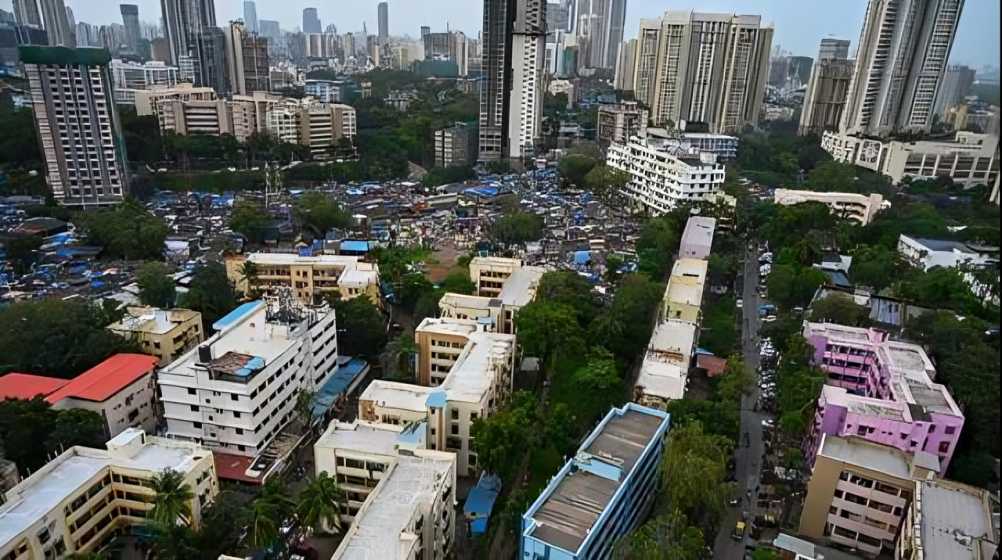
Slum settlements remain among the most underserved areas. In several localities, the absence of underground sewer connections means households continue to rely on septic tanks. With close to 60% of Mumbai’s population residing in slums, inadequate sewage facilities create significant sanitation and public health concerns. Poorly maintained septic tanks can also cause toxic gases to accumulate, sometimes resulting in fatal accidents.
The issue also has wider environmental consequences. Untreated wastewater from certain slum pockets and industrial establishments enters rivers, drains and stormwater channels, adding to water pollution. Through the proposed MSIP expansion, the BMC aims to channel these flows into the sewerage network and support efforts to rejuvenate rivers.
The planned coverage will extend to institutional and residential colonies managed by MHADA, the Airport Authority, Indian Railways and the Mumbai Port Authority.
However, implementation faces several challenges, including difficult terrain, unpredictable underground conditions, land availability constraints and the need to secure multiple statutory approvals, a civic official said.
The proposed DPR will identify the infrastructure requirements and provide a roadmap for addressing underserved areas while improving Mumbai’s overall sewage collection and management system.
Source: The Free Press Journal