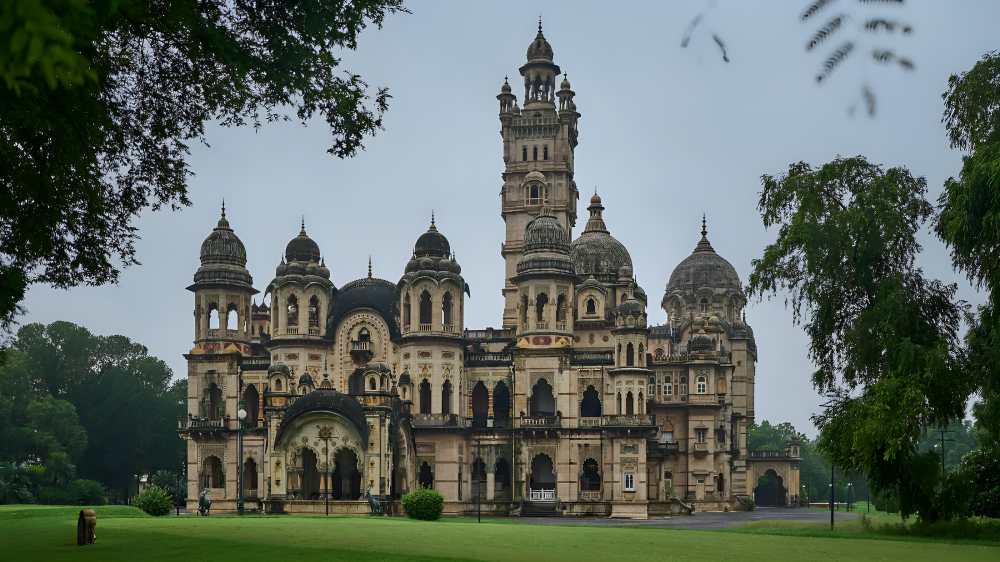

India’s historic palaces represent an extraordinary blend of architectural excellence, cultural traditions and royal heritage. Although the country’s princely states have long since lost their political authority, several royal families continue to occupy their ancestral residences, preserving their architectural legacy while adapting these properties to modern times. Some have also opened sections of their estates to visitors, museums and hospitality ventures, offering a glimpse into India’s royal past.
Here are five remarkable palaces that continue to be associated with India’s modern royalty.
Lukshmi Vilas Palace, Vadodara, Gujarat
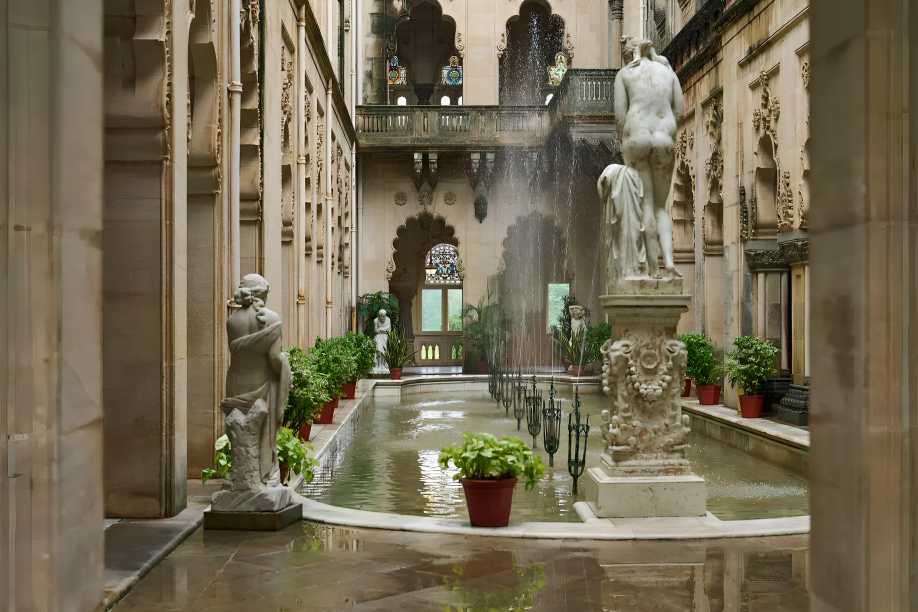
Commissioned by Maharaja Sayajirao Gaekwad III in 1878, Lukshmi Vilas Palace is regarded as one of the world’s largest private residences. Spread across an extensive estate, the property showcases Indo-Saracenic architecture, combining Indian, Islamic and European influences. Its elaborate interiors feature Venetian flooring, Belgian stained glass, gold mosaics and intricate craftsmanship. Maharani Radhikaraje Gaekwad has taken an active interest in preserving the palace and showcasing India’s artistic heritage.
Jaipur City Palace, Rajasthan
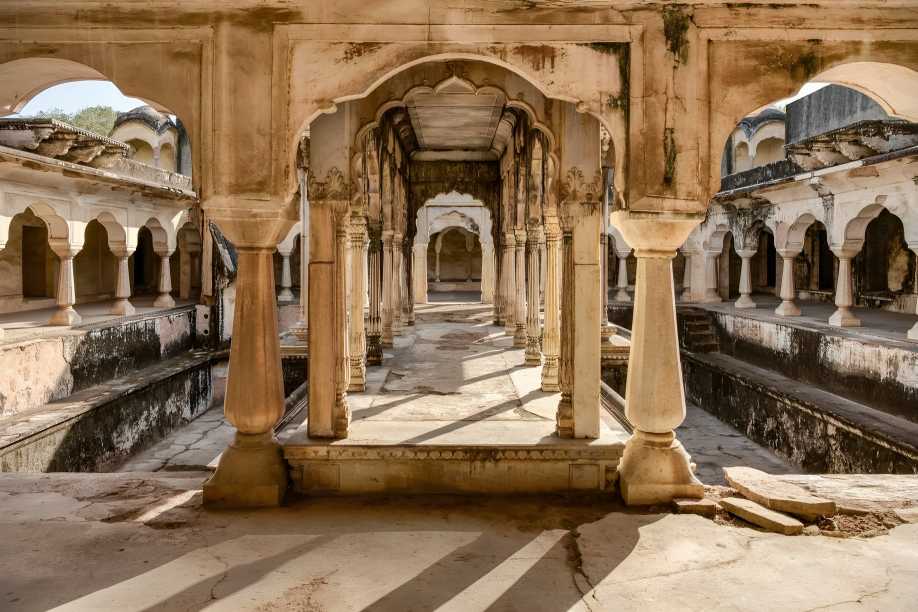
The Jaipur City Palace continues to be closely associated with the royal family of Jaipur. The present head of the family, Sawai Padmanabh Singh, is involved in restoring sections of the historic complex. Its courtyards, frescoes, decorated chambers and architectural details reflect Rajput, Mughal and European influences. The restoration programme aims to preserve traditional craftsmanship and the palace’s historical character.
Sawantwadi Palace, Maharashtra
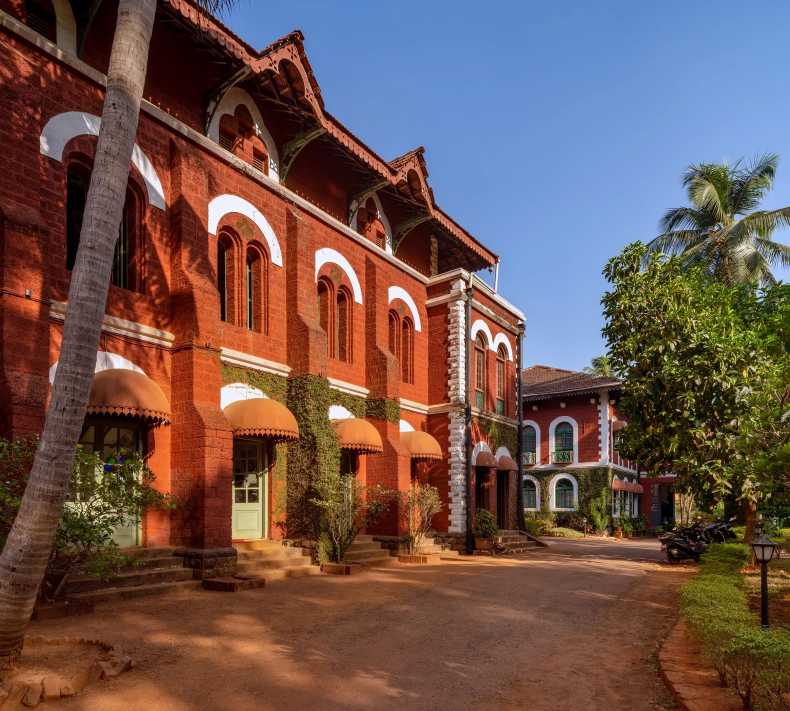
Located near the Konkan coast, Sawantwadi Palace was constructed in the 18th century by Khem Sawant III. The six-and-a-half-acre estate features red laterite buildings surrounded by greenery. While the royal family occupies one section, other portions accommodate a museum and artisan workshops. The younger generation, Shraddha and Lakham Sawant, have undertaken restoration work and developed parts of the property into a heritage hospitality destination.
Umaid Bhawan Palace, Jodhpur, Rajasthan
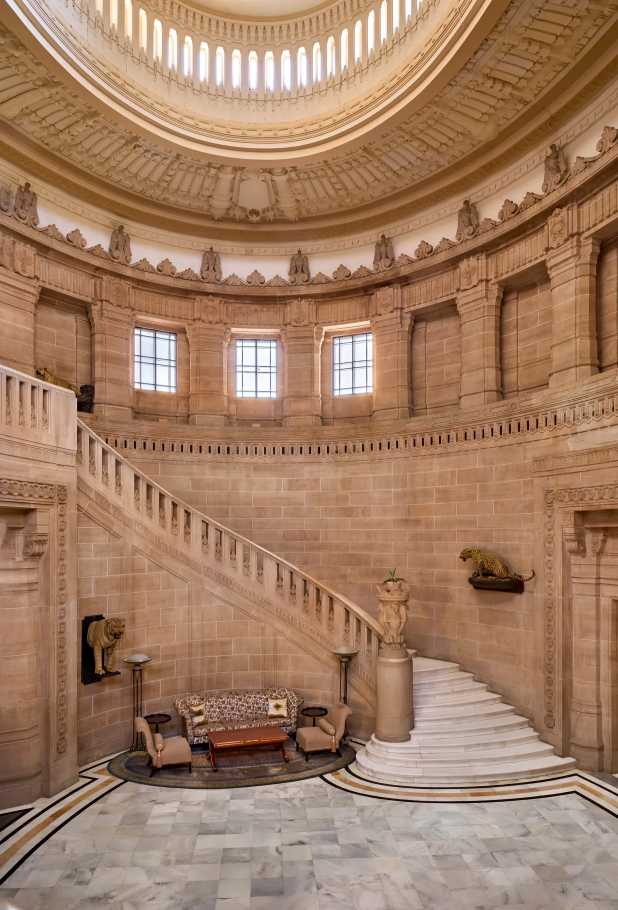
Built on Chittar Hill, Umaid Bhawan Palace was designed by British architect Henry Vaughan Lanchester and completed in 1942. Its architecture combines Western classical elements with Indian influences, particularly Art Deco and Indo-Deco styles. The palace serves three purposes today: a royal residence, a museum and a luxury hotel operated in partnership with Taj Hotels.
Morvi Palace, Gujarat
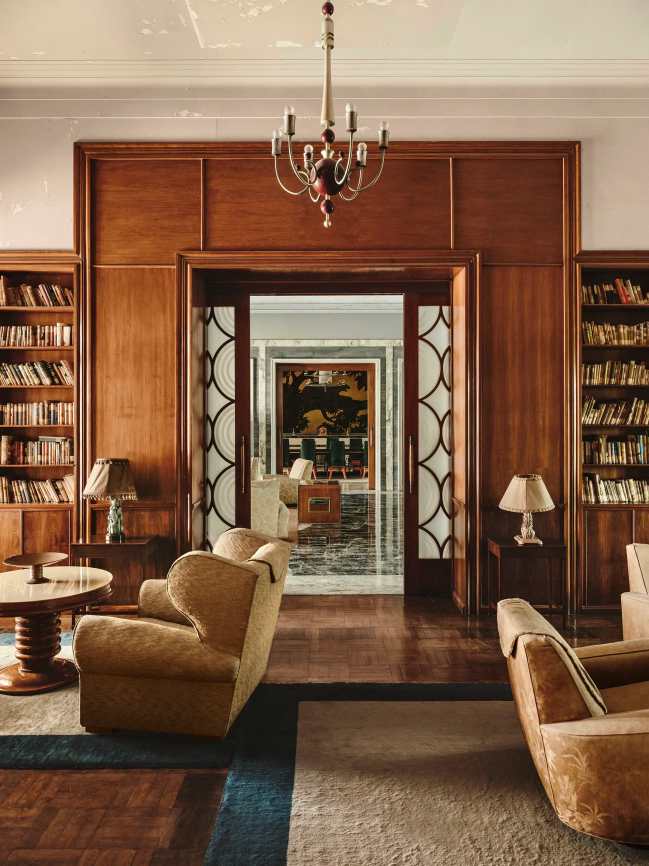
Completed in 1942, Morvi’s New Palace is a distinctive example of Art Deco architecture. Designed by Gregson, Batley & King and constructed by Shapoorji Pallonji, it was commissioned by the late Thakur Mahendrasinh. Its rounded corners, geometric columns, elaborate interiors and landscaped courtyards reflect the architectural preferences of its former royal owner.
Together, these five properties demonstrate how India’s royal families continue to preserve historic residences while giving them new relevance through heritage conservation, tourism and hospitality.
Source: Architectural Digest