
The Brihanmumbai Municipal Corporation (BMC) is planning to expand Mumbai’s air pollution monitoring network by installing five additional Continuous Ambient Air Quality Monitoring Stations (CAAQMS) at an estimated cost of Rs 22 crore. The move comes amid concerns over deteriorating air quality and frequent fluctuations in the city’s Air Quality Index (AQI), civic officials said on Friday.
The proposed monitoring facilities will be established in Mulund, Dadar, Goregaon, Charni Road and Santacruz. At present, Mulund, Dadar and Charni Road do not have dedicated air quality monitoring stations.
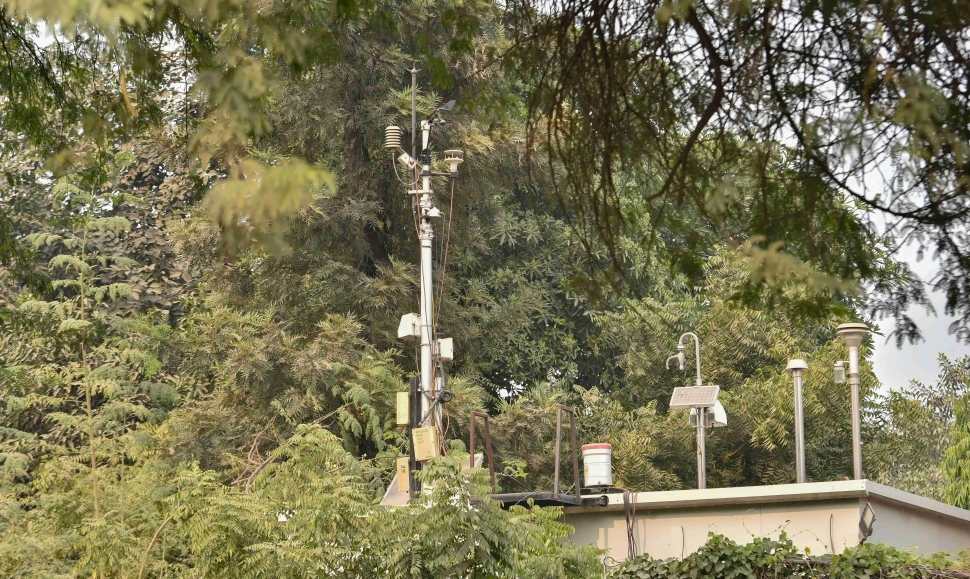
Mumbai currently has 29 CAAQMS facilities operated by the BMC, Maharashtra Pollution Control Board (MPCB) and the Indian Institute of Tropical Meteorology (IITM). Data collected through these stations is uploaded to ‘Sameer’, the Central Pollution Control Board’s (CPCB) national air quality monitoring dashboard.
According to a senior civic official, two of the five proposed stations will replace existing BMC monitoring facilities, while the remaining three will be installed in areas without a monitoring station within a five-kilometre radius.
The project involves setting up the equipment, along with its operation and maintenance for five years. The new facilities are expected to become functional within six months of the project moving forward.
Explaining the selection of locations, the official said the proposed sites have been identified in accordance with CPCB guidelines. The stations will serve as urban background monitoring facilities, helping authorities evaluate general ambient air quality across different neighbourhoods.
“We have selected the best possible locations for installing the new proposed stations, taking the CPCB guidelines into consideration,” the civic official said.
Each automatic monitoring facility will require approximately 300 to 700 square feet of land for installation.
The expansion is expected to improve the geographical coverage of Mumbai’s air quality monitoring network, providing authorities with more comprehensive neighbourhood-level pollution data. The additional readings could also support better assessment of pollution trends and help strengthen the city’s air quality management efforts.
Source: Economic Times