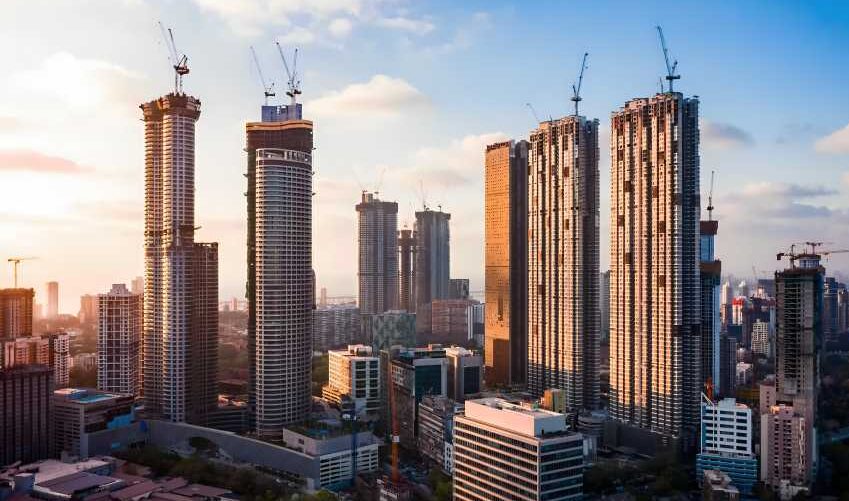

Mumbai’s ambitious underground road network, estimated to cost Rs 53,928.2 crore, has received in-principle approval from Maharashtra Chief Minister Devendra Fadnavis. Proposed by the Mumbai Metropolitan Region Development Authority (MMRDA), the project aims to ease congestion by creating underground connectivity between major commercial districts, residential areas and transport hubs.
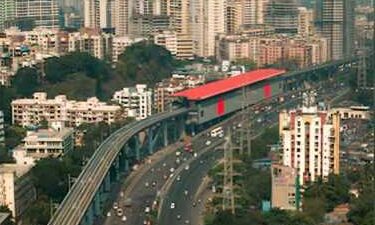
Popularly referred to as ‘Pataal Lok’, the proposed network will have approximately 30.87 km of tunnels in each direction, taking the overall construction length to nearly 61.74 km. The initiative is expected to provide an alternative to heavily congested surface roads across the city.
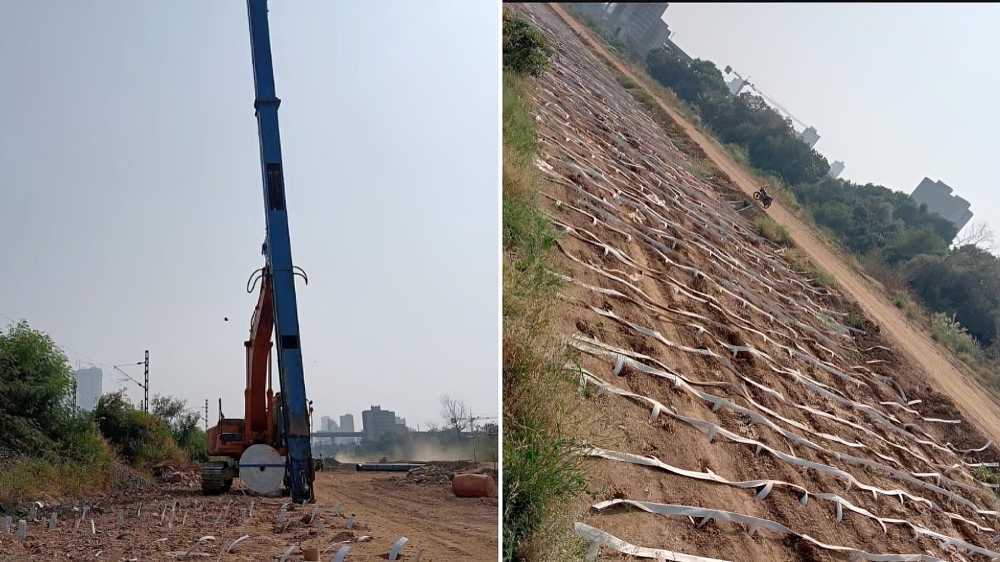
The main section will run beneath the Mithi River, linking Bandra-Kurla Complex (BKC) with Dharavi. From there, different tunnel corridors will connect the Bandra-Worli Sea Link, BKC’s G Block, the upcoming bullet train station, Dharavi and Terminal 2 of Chhatrapati Shivaji Maharaj International Airport.
The alignment will also extend northwards alongside the Western Express Highway, passing through Bandra East, Vakola and Vile Parle. A subsequent phase is proposed to extend towards Andheri East, covering congested areas such as Asalpha and Sakinaka before reaching the Eastern Express Highway near Ghatkopar.
The tunnels are expected to measure around 14 metres in diameter and accommodate three traffic lanes, allowing vehicles to travel at speeds of up to 80 kmph. This could offer considerable relief compared with several existing road stretches, where average speeds are estimated at just 15-20 kmph. Emergency evacuation and rescue arrangements will include cross passages at intervals of 300 metres.
Construction could involve tunnel boring machines, conventional excavation and cut-and-cover methods, depending on ground conditions.
Despite receiving preliminary approval, the project requires funding arrangements, consultant and contractor appointments, along with environmental and statutory permissions. Sections beneath the Mithi River and near mangrove areas will require particular scrutiny. Existing underground utilities must also be considered.
No construction commencement date has been announced. The project’s implementation will depend on securing clearances, financing and completing technical preparations.
Source: NDTV