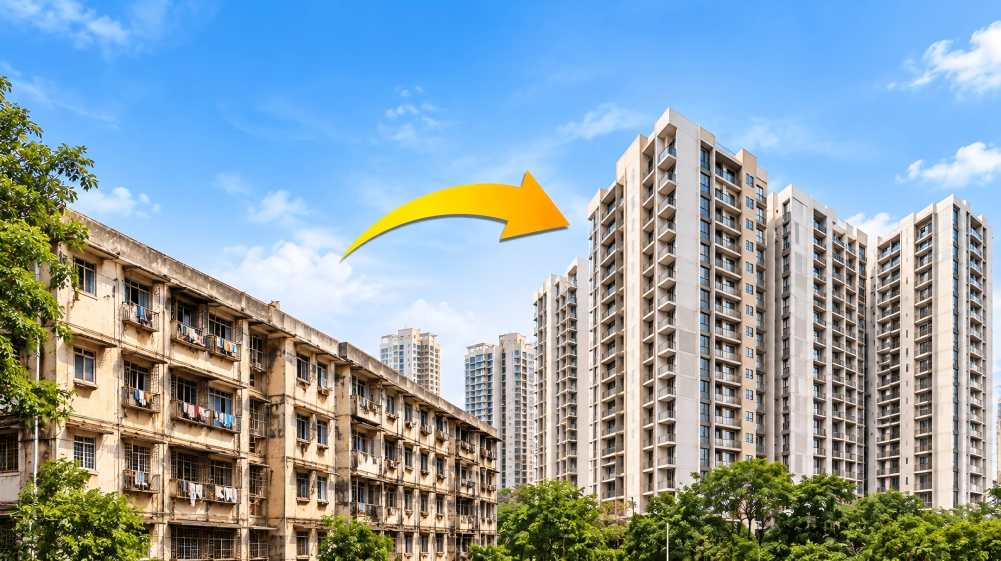

Mumbai’s urban renewal efforts have received a boost with the distribution of 557 rehabilitation flats under the NM Joshi Marg BDD Chawl redevelopment project in Lower Parel. On November 6, 2026, Maharashtra Chief Minister Devendra Fadnavis handed over the keys to eligible beneficiaries, allowing families who had lived for generations in cramped 160 sq. ft. rooms to move into modern 500 sq. ft. two-bedroom homes.
The development reflects the state government’s focus on improving housing conditions for long-term residents while ensuring that established communities can continue living in the city. It also demonstrates how redevelopment can address the challenges posed by ageing residential buildings and deteriorating housing infrastructure.
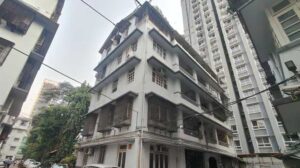
Across Mumbai, several neighbourhoods still comprise old chawls, structurally weak buildings and ageing housing societies. Redevelopment provides an opportunity to replace these structures with safer residences featuring improved layouts, modern utilities and better amenities. It also allows existing occupants to benefit from upgraded housing without losing their connections with familiar neighbourhoods.
Arshad Lashkaria, CEO & Managing Director, Lashkaria Group, says, “The true value of redevelopment lies in its ability to transform lives while preserving communities. For families who have spent generations in ageing, cramped homes, moving into larger, modern residences within the same neighbourhood means a better quality of life without losing their social connections, familiar surroundings and sense of belonging. The BDD Chawl redevelopment is a positive example of how urban renewal can give residents a fresh start while ensuring they continue to remain part of the city they have helped built.”
The project also highlights the potential of redeveloping Mumbai’s ageing housing stock to make better use of scarce urban land. An industry expert says, “Redevelopment plays a vital role in ensuring that urban progress translates into tangible benefits for existing residents. The biggest advantage is that families can move into safer, more spacious homes without having to leave the neighbourhoods where they have built their lives, livelihoods and relationships. Retaining this social fabric while upgrading housing conditions is what makes redevelopment a truly meaningful exercise for a city like Mumbai.”
As redevelopment activity expands across the city, the NM Joshi Marg project demonstrates how urban modernisation can improve residential standards while retaining established communities. Its long-term success will depend on creating safer homes, sustainable neighbourhoods and inclusive growth opportunities for existing residents.
Source: Mumbai Live