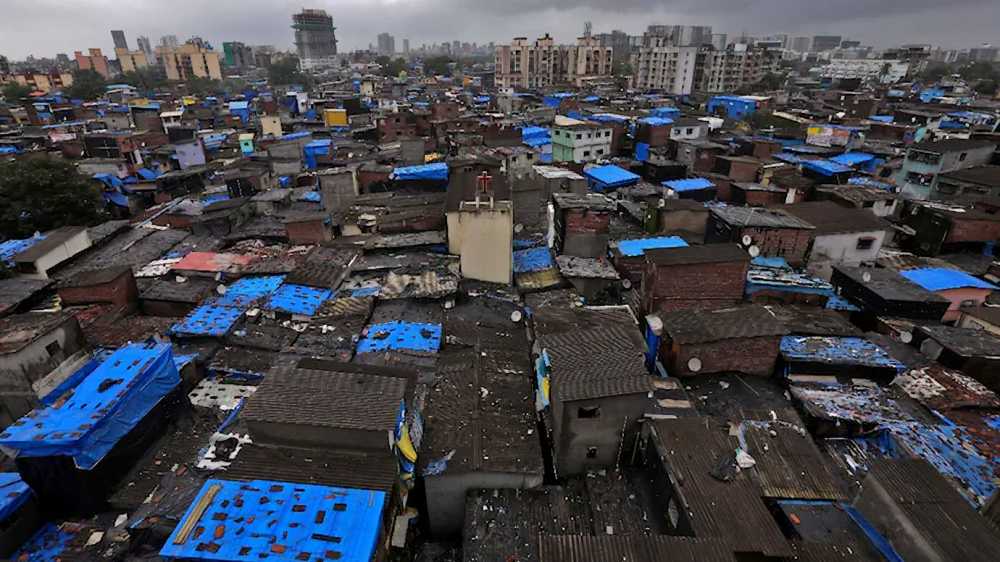

In the heart of Mumbai, poverty is increasingly being packaged and sold as an experience. In Dharavi, one of the world’s largest informal settlements, foreign visitors are being charged up to Rs 15,000 per person for a two-hour guided walk — a practice that has reignited debate over the thin line between awareness and commodification.
During a recent visit, a group of foreign tourists was seen navigating narrow bylanes with a local guide, Omkar Dhamale. When asked about his fee, he said, “Per person, Rs 15,000.” With five visitors in tow, the walk would earn him Rs 75,000 in a single outing.
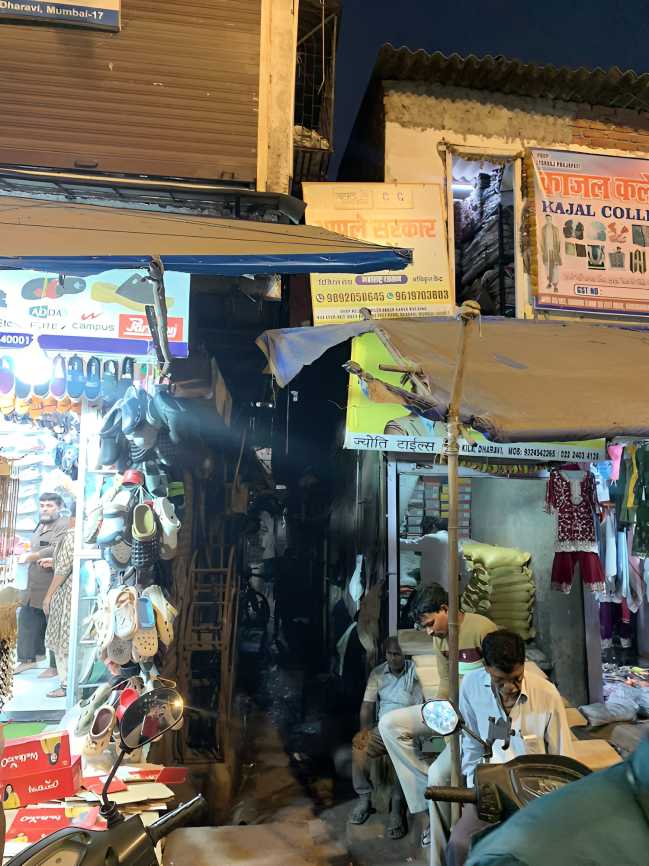
Slum tourism is not new. Structured tours began in the mid-2000s, including initiatives like Reality Tours, founded by Chris Way and Krishna Pujari, which channelled part of their earnings into community development. But today, residents themselves are increasingly running independent tours, often at premium rates. Indian visitors typically pay between Rs 1,500 and Rs 7,000.
For Dhamale, there is little moral dilemma. “Gore logon ko jhopadpatti pehli baar dekhne ko milta hai idhar. Apna ghar dikha kar paisa milta hai, kaayko nahi dikhayein? (White people get to see the shanties for the first time here. If I can earn money by showing them our homes, why wouldn’t I?)”
Yet discomfort persists among some residents. When approached for photographs, locals like Raju Hanumanta declined, wary of being reduced to symbols of deprivation.
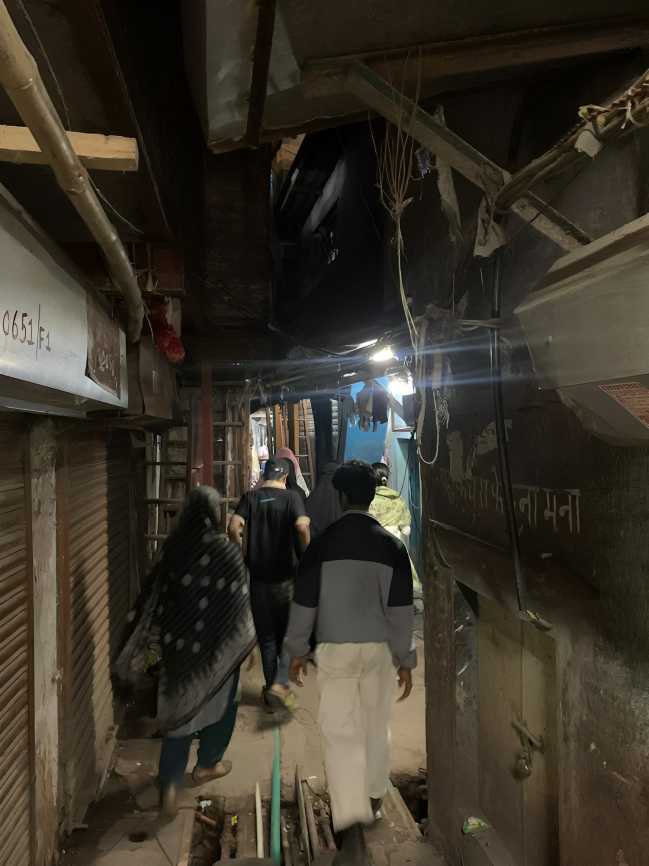
Tour curator Bharat Gothoskar, founder of Khaki Tours, argues that context is crucial. He emphasises consent and interpretation over spectacle, noting that Dharavi’s recycling economy, industry and migration stories often surprise visitors more than visible poverty.
As redevelopment looms, questions remain over whether this controversial industry — straddling survival and voyeurism — will endure, or transform along with Dharavi itself.
Source: India Today