Three prominent bridge and flyover developments across Mumbai have registered steep cost increases within a short span, with total project expenses rising by 66%, according to fresh budget papers of the Brihanmumbai Municipal Corporation (BMC) cited in a report by The Indian Express.
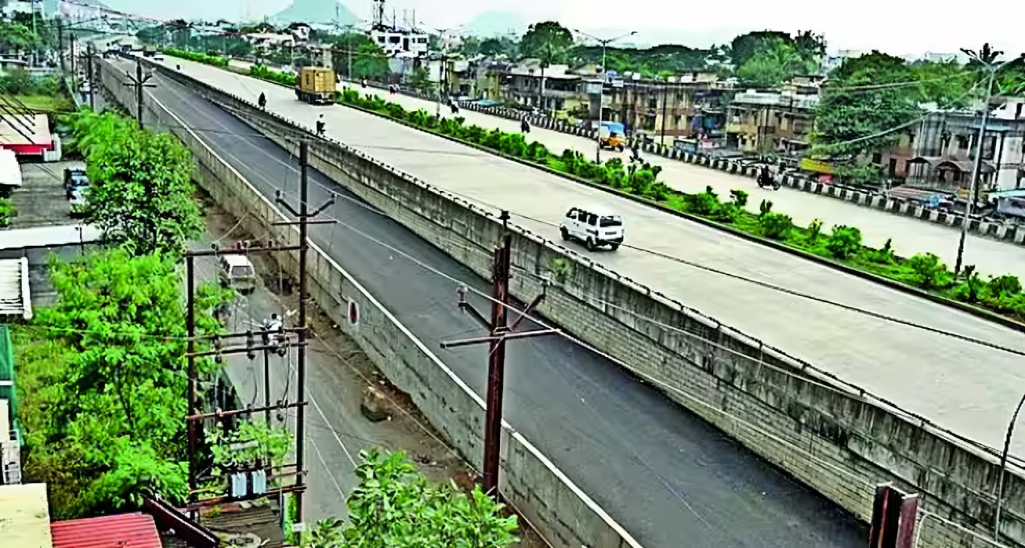
The infrastructure works, located in areas such as Fort, Byculla, Kurla, Ghatkopar and Mankhurd, were initially projected at Rs 4,013 crore when tenders were issued in 2025. However, the 2026–27 municipal budget now reflects a revised outlay of Rs 6,675 crore. Notably, two of the three projects have witnessed cost surges of over 90% within just four months.
Civic officials have attributed the sharp rise to modifications in design, physical contingencies, and the inclusion of GST.
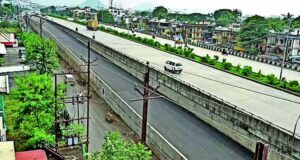
The most significant escalation pertains to an 850-metre cable-stayed flyover intended to link the Y-Bridge in Byculla with JJ Flyover. First estimated at Rs 805 crore in October 2025, its cost has now climbed to Rs 1,561 crore — a 94% increase.
The BMC said, “We are exploring a possibility of expanding the earlier proposed alignment. The new proposal is to establish a seamless link between the upcoming cable-stayed bridge at Byculla and Lalbaug flyover, thus creating a continuous corridor between CSMT and Parel.”
Similarly, a 4.24-km elevated corridor connecting Kurla’s Kalpana Talkies to LBS Marg in Ghatkopar has seen its budget nearly double from Rs 1,635 crore to Rs 3,156 crore. The civic body clarified that earlier estimates covered only construction costs, while the updated figure factors in GST, utility relocation, and contingencies.
Meanwhile, a T-junction flyover on the Sion-Panvel Highway linking Vashi, Ghatkopar and Mankhurd recorded a 25% rise, from Rs 1,573 crore to Rs 1,958 crore. Explaining the revision, the BMC said, “Initially, it was proposed that the bridge would be built on piers. However, the Public Works Department didn’t give us permission for piers on one side, due to which we had to adapt to a new cantilever design.”
Source: Swarajya