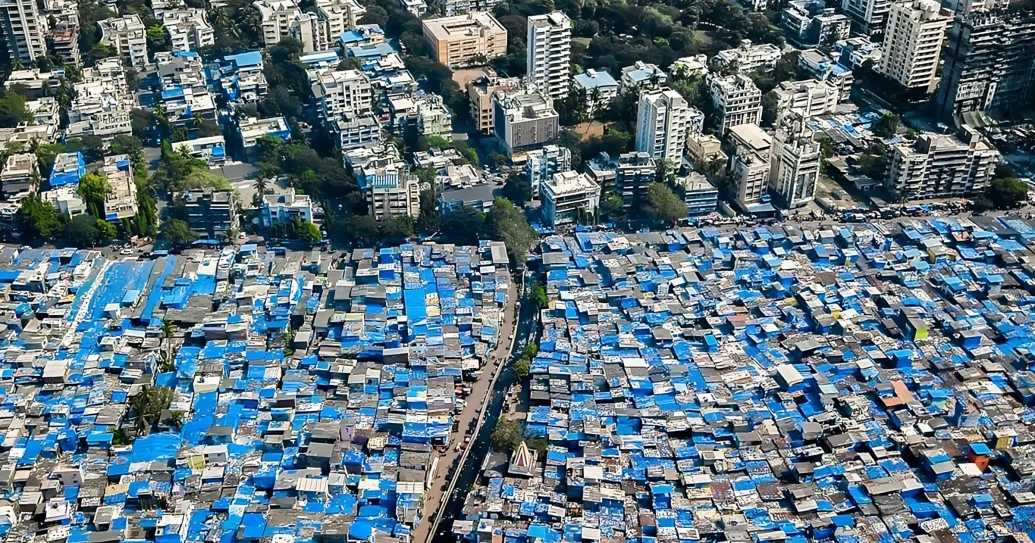

Mumbai has reached a significant milestone in its urban housing efforts, with the completion of 2,545 slum rehabilitation projects over the past three decades. The progress reflects the city’s gradual yet steady push to convert informal settlements into formal housing developments.
According to recent state economic data, nearly 18% of these projects were completed in the five years following the COVID-19 pandemic, indicating renewed momentum in housing delivery during the city’s public health and economic recovery period.
These projects have collectively enabled approximately 2.84 lakh slum-dwelling families to relocate into formal housing units. In Thane, for example, all 51 projects undertaken under the rehabilitation programme have been completed, providing housing for more than 7,800 households.
Urban planners note that such initiatives play an important role in addressing housing shortages while also contributing to more resilient city planning. By replacing unregulated settlements with organised residential communities equipped with infrastructure and services, these programmes help reduce environmental and safety risks.
The redevelopment efforts are largely implemented through the Slum Rehabilitation Authority (SRA), established in 1995. The authority follows a public-private partnership model in which developers construct free housing for eligible slum residents while receiving additional development rights to make projects financially viable.
Experts say this approach has helped attract private investment into social housing, though they emphasise the need for strict monitoring to ensure equitable outcomes, particularly in areas vulnerable to flooding and climate risks.
Other state agencies also contribute to affordable housing in the region. The Maharashtra Housing and Area Development Authority (MHADA) has delivered more than 5.27 lakh housing units since 1977, while City and Industrial Development Corporation (CIDCO) has built around 2.30 lakh homes through planned development programmes.
At the national level, the Pradhan Mantri Awas Yojana (PMAY) has sanctioned 10.15 lakh housing units in Maharashtra, with about 8.75 lakh already completed. The newer PMAY-Urban 2.0 programme has also registered 3.21 lakh beneficiaries in the state, with financial disbursements exceeding Rs 246 crore.
Urban policy experts say sustained monitoring, community participation and better integration with city infrastructure will be essential to ensure that Mumbai’s redevelopment initiatives deliver long-term social, economic and environmental benefits.
Source: Urban Acres