Across India, a new generation of women designers and architects is shaping homes that go far beyond aesthetics. These residences reflect thoughtful planning, emotional connections, and a strong design sensibility rooted in both tradition and contemporary living. Each home tells a personal story, where materials, textures, and layouts come together to create spaces that are deeply connected to the people who live in them.
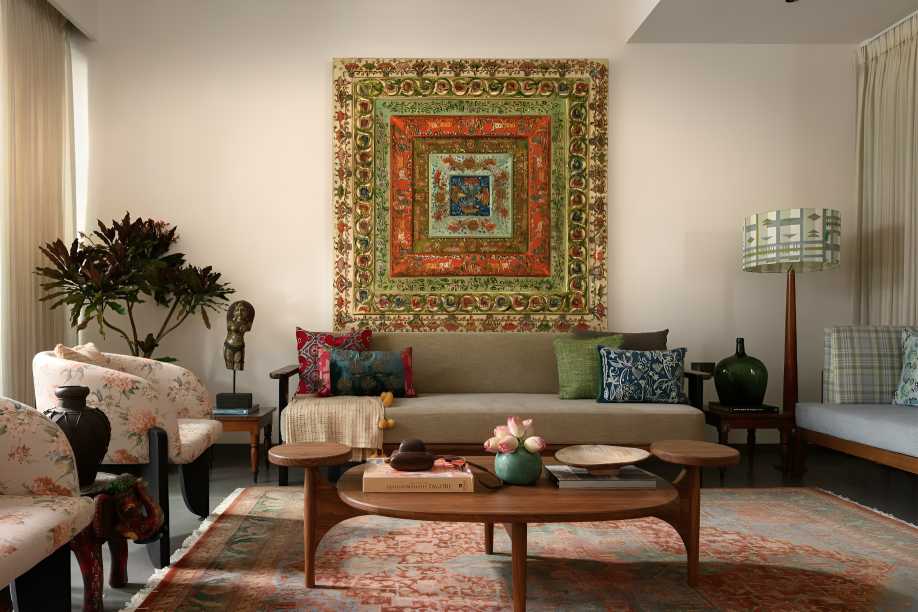
One such project is a family home in Hyderabad designed by architect Gauthami Lokirev. The house was created for her own parents, making the design process particularly meaningful. “Everything was unspoken,” says the founder of Hyderabad-based Lokirev Designs. The multi-level residence is organised vertically, with her parents living on the first floor, Lokirev herself on the level above, and her brother on the next. Another floor has been reserved for entertaining guests. Instead of opulence, the homeowners preferred a calm and practical environment. “Ornateness held little appeal to them,” Lokirev says, describing her parents as “simple, easy-going people” who value a grounded lifestyle and a strong bond with nature. The result is a home that prioritises comfort and ease. “We were never looking for anything grand,” they explain. “Our main expectation was just to have a home that works for us—comfortable, practical, and easy to live in.”
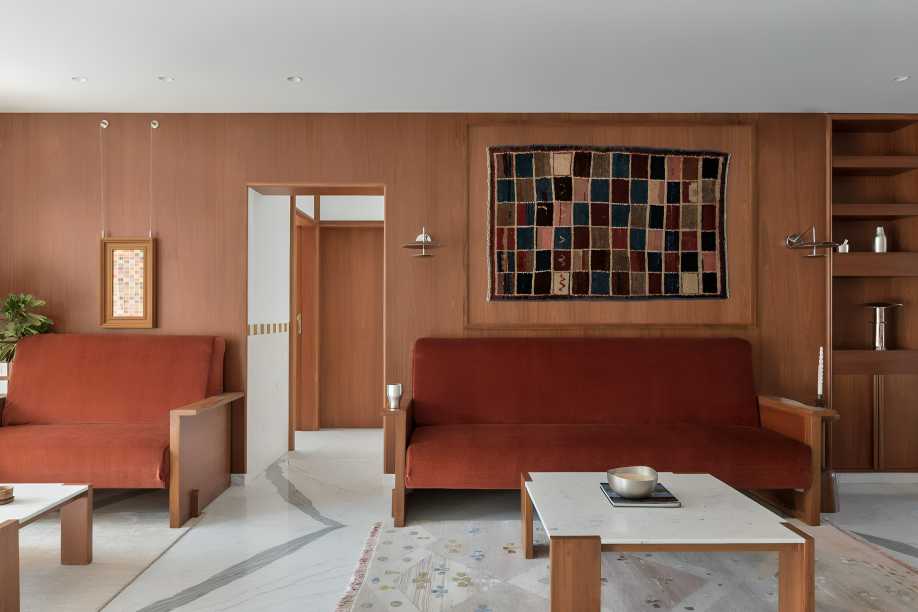
In Sohna, Haryana, designer Kohelika Kohli transformed a historic farm property into a residence called Khwabgah, meaning “a place to dream.” The stone cottage, more than 180 years old, sits amid the Aravalli hills and carries layers of memory. “The Aravallis, among the world’s oldest mountains, gifted the original builders the toughest and most enduring stones, their surfaces softened by the passage of countless years,” Kohli says. Stone plays a dominant role throughout the house, appearing in beds, sinks, ceilings, and cabinetry, creating a textured narrative that reflects both history and personal memory.
In Mumbai’s Khar West neighbourhood, architects Pooja and Tanvi of Studio GaGa designed a multi-generational home inspired by the moringa tree that grows in the area’s leafy lanes. The tree’s symbolism of resilience and renewal influenced the design approach. White Statuario marble forms the base of the material palette, while open spaces encourage family interaction. “Classic materials used throughout each space and draw attention to the leafy neighbourhood beyond,” the architects note. They add, “We drew from the moringa’s natural tranquillity to craft an environment that feels nurturing, balanced, and deeply connected to the family’s lifestyle.”
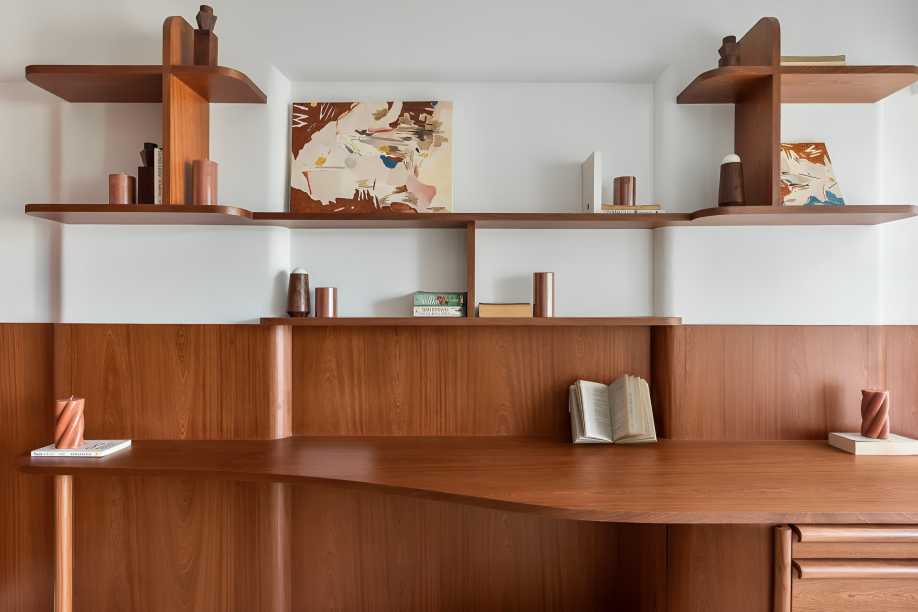
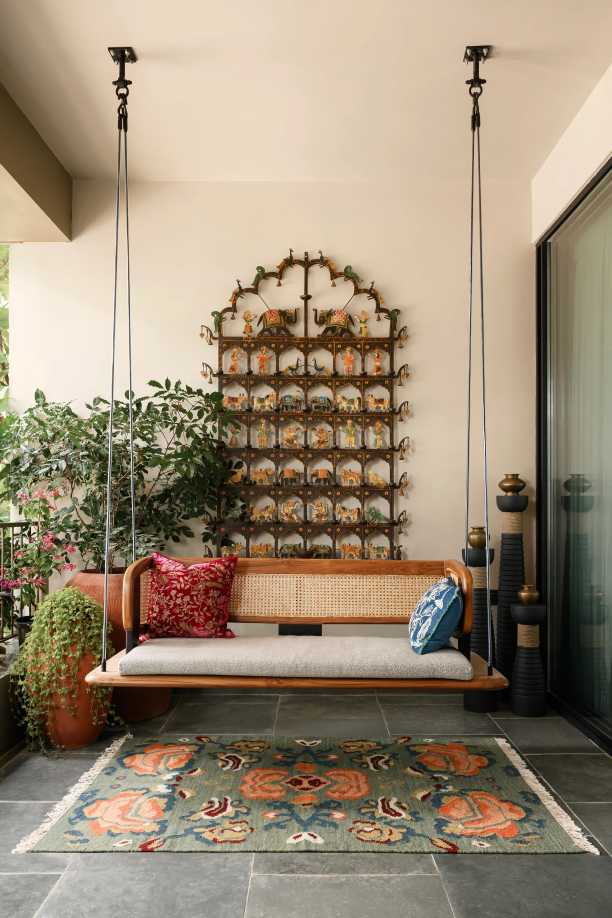
Another striking residence is Apartment 1701 in Mumbai, designed by Sahiba Madan of Insitu Design Studio. Spanning 2,250 square feet, the home celebrates Indian craftsmanship through intricate details. Brass inlays in Kota stone floors, hand-painted tiles, and carved motifs featuring lotuses, peacocks, and cypresses create a layered narrative of culture and memory. The design embraces a maximalist philosophy, where ornamentation becomes storytelling rather than decoration.
In Tiruppur, Tamil Nadu, designer Farah Agarwal created a 20,000-square-foot home called Amaithi for a family of four. She believes design should emerge from a client’s personal taste rather than the designer’s own vision. The project’s highlight is a botanical chandelier by Klove Studio, while the interiors combine white walls, wood panelling, marble accents, and carefully curated furniture sourced from across the world. “No matter how much we brought in, it was never feeling full, and two weeks before handover, we were still sourcing products to fill it up”, Agarwal admits.
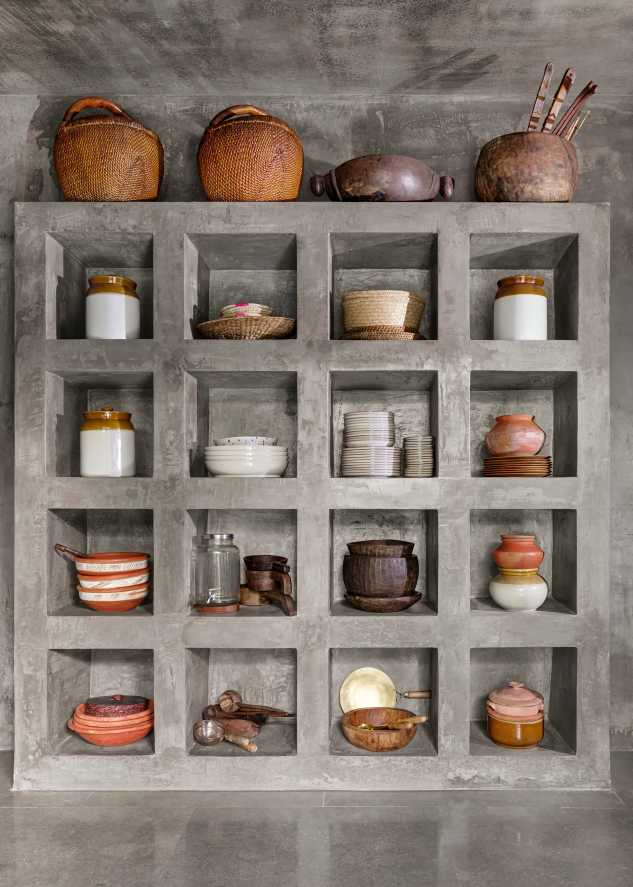
Further south in Kerala, architect Amrutha Kishor designed a holiday home rooted in local history. The project was inspired by the legend of Kadangotu Makkom Theyyam, connected to the ancestral land on which the house stands. Exposed laterite walls, wooden pillars, Kota stone floors and coloured glass windows reflect the region’s architectural traditions, while a hand-painted mural narrates the ancient story.
In Chennai, architect Amrita Thomas of Alara Studio approached a 4,500-square-foot home with restraint rather than excess. “When I first walked into the home, I noticed there were no awkward proportions to fix and no architectural battles to fight,” she says. Instead of dramatic changes, she refined the existing architecture to highlight natural light, texture and proportion. “I wanted to work with proportion, detailing and craft first,” she shares. “The goal was to build something that felt as light and calm as the shell itself did in its bare state,” she explains.
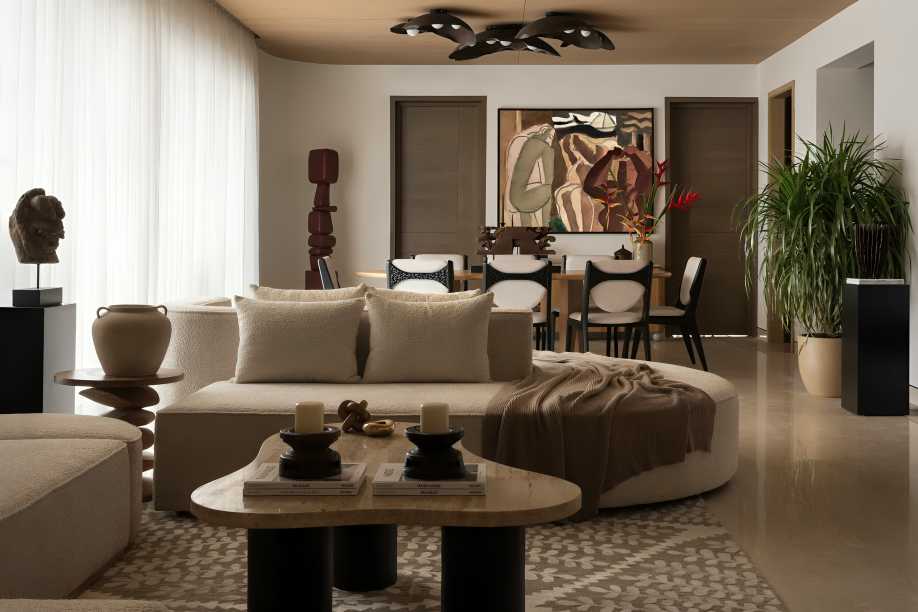
Another Chennai residence designed by architect Gowri Adappa demonstrates how spatial planning can transform an ordinary apartment. The original four-bedroom layout was reconfigured into a fluid open-plan home. “The primary design move was to strip the apartment back to its structural shell and reconfigure it through a new spatial logic—one that prioritised fluidity, light, and material depth,” shares Adappa. The interiors use walnut wood, brushed stainless steel, matte concrete, and hand-finished stone to create a tactile yet understated palette.
Finally, in a 1930s Art Deco building in South Mumbai’s Breach Candy, architect Shruti Jalan designed her own home with a balance of vintage charm and modern comfort. Antique pieces sourced from markets and travels are paired with contemporary furniture to avoid an overly nostalgic feel. “A purely vintage aesthetic can become overwhelming,” Alwani explains. “So we balance it with modern pieces.”
Together, these homes demonstrate how women designers across India are creating spaces that combine creativity, craftsmanship, and deeply personal narratives—turning houses into meaningful expressions of life and identity.
Source: Architectural Design