
More than a month after receiving Cabinet approval, the Maharashtra government has issued the Government Resolution (GR) for the Mumbai 3.0 land acquisition policy, initiating the formal process of acquiring land in Raigad district.
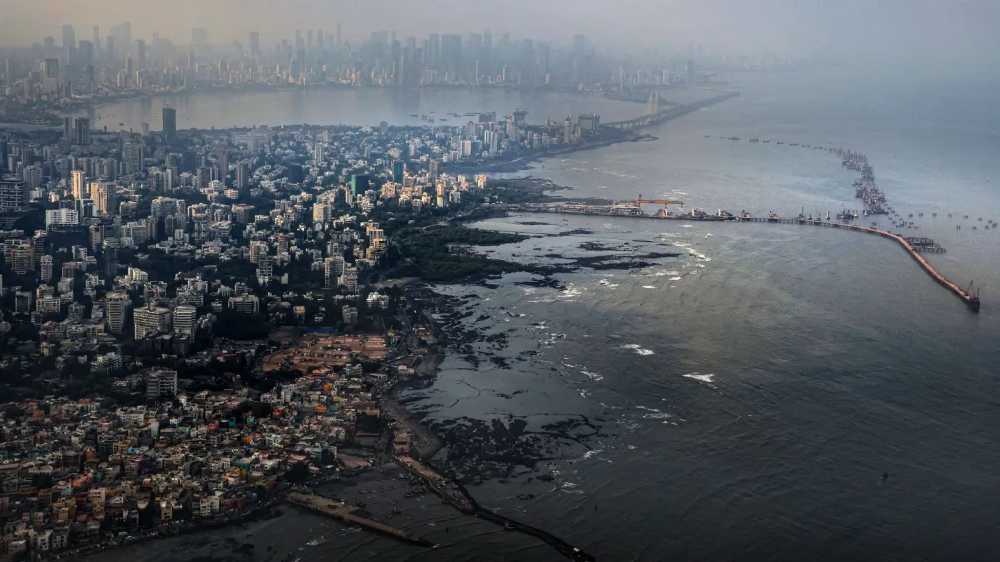
The policy spans nearly 323.44 sq km across 124 villages located in Uran, Panvel and Pen tehsils. These areas fall within the influence zone of key infrastructure projects such as the Mumbai Trans Harbour Link (MTHL) and the Navi Mumbai International Airport (NMIA).
Under the framework, landowners who agree to participate are offered a range of compensation options. These include monetary payouts in line with the Land Acquisition, Rehabilitation and Resettlement (LARR) Act, as well as alternatives like Floor Space Index (FSI) or Transferable Development Rights (TDR).
In addition, landowners may choose to receive 22.5% of developed land as compensation. However, plots measuring less than 40 square metres will be compensated only in cash. In cases where land parcels have limited development potential, a government-appointed committee will determine allocation on a pro-rata basis.
The GR also introduces a ‘pass-through’ mechanism aimed at encouraging industrial participation. Under this model, allottees will bear the entire cost of land acquisition and development, including survey and administrative expenses, with land being offered on an “as is” basis.
The policy prioritises large-scale and foreign investors, requiring a minimum acquisition of 100 acres along with an investment commitment of Rs 250 crore per 100 acres within four years. The state also plans to seek expressions of interest from land aggregators for the development of specialised growth hubs.
For landowners who choose not to participate voluntarily, provisions for compulsory acquisition remain in place through the district collector under the Maharashtra Regional and Town Planning Act, 1966.
The GR further instructs MMRDA to prepare detailed land allocation guidelines for government approval, ensuring revenue optimisation while avoiding any financial burden on the state.
Source: Projects Monitor