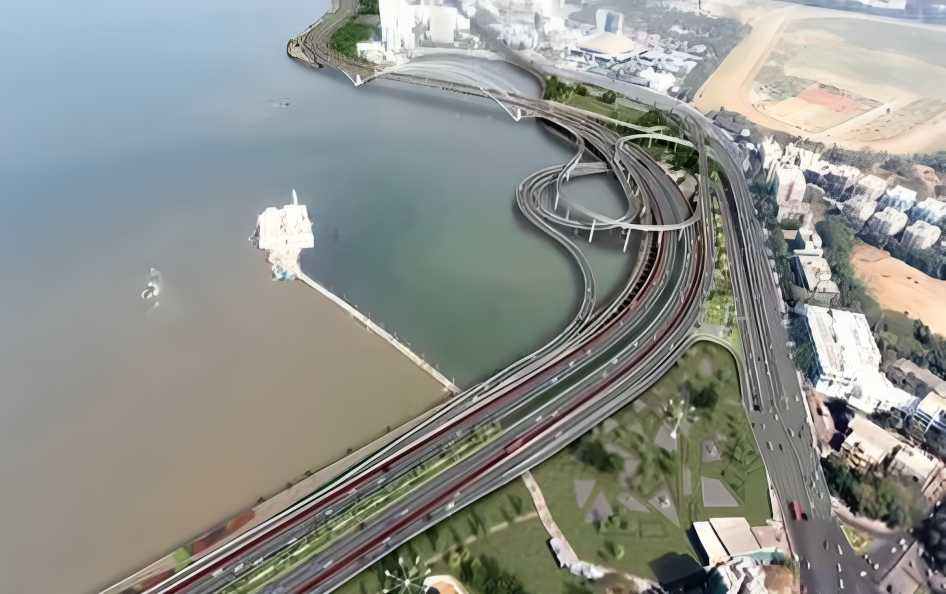

Mumbai’s push to expand its coastal infrastructure has gained momentum after the civic administration removed several obstacles along the northern stretch of the planned seafront corridor. The move is expected to accelerate construction activity in the city’s western suburbs and help bring greater clarity to project timelines.
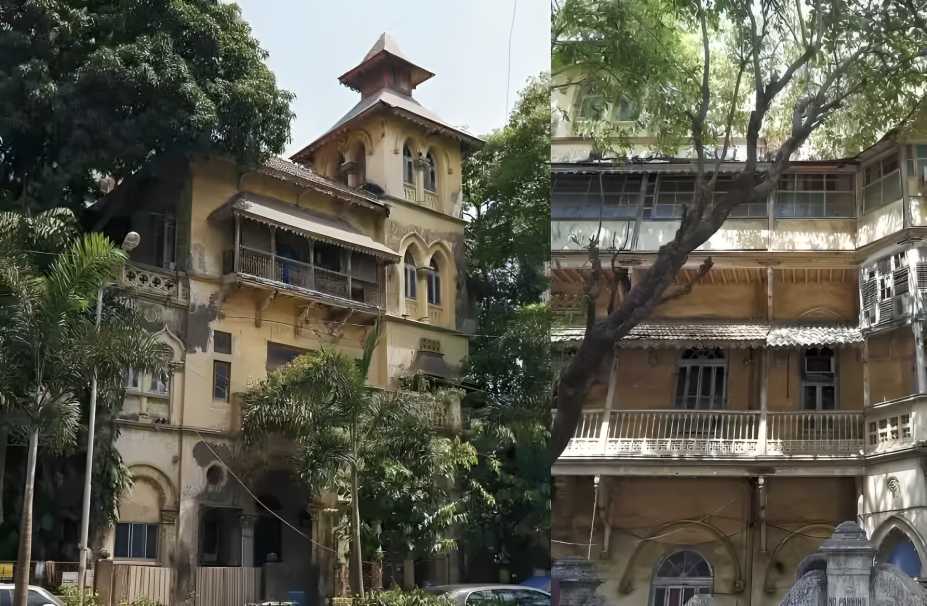
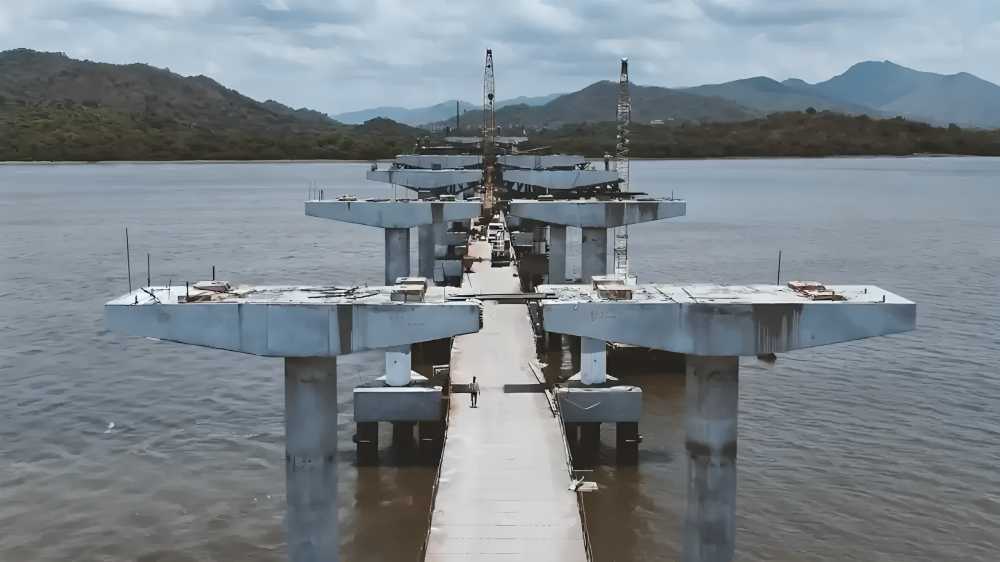
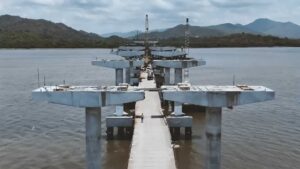
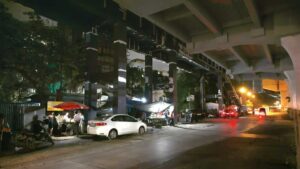
Authorities recently cleared multiple built structures that were obstructing the alignment of the Versova–Dahisar coastal road, a critical extension of the broader coastal corridor. Officials identified these encroachments as major bottlenecks that had disrupted construction sequencing and limited contractor access to continuous work zones.
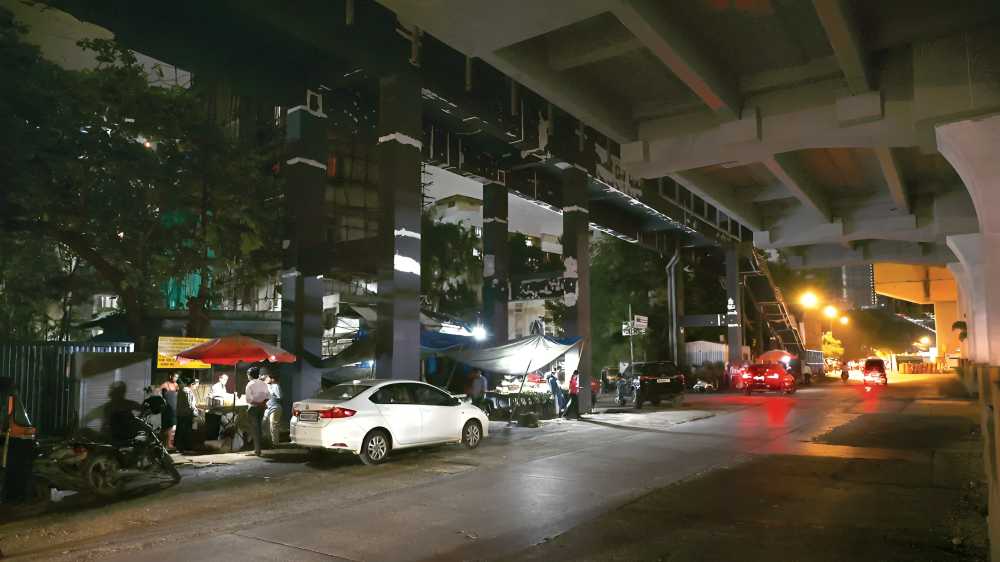
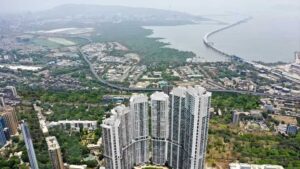
The project aims to connect suburban areas with the operational southern section of the coastal road, easing congestion on key arteries such as the Western Express Highway and Link Road, which currently handle a large share of daily traffic.
Despite its importance, the project has faced several challenges, including land acquisition hurdles, regulatory approvals under coastal zone norms, and environmental concerns—particularly regarding mangrove ecosystems. Urban planners stress that infrastructure development in a coastal city like Mumbai must carefully balance mobility improvements with ecological preservation.
Civic officials described the recent action as part of a phased execution strategy involving land readiness, statutory approvals, and construction activities progressing simultaneously. With previously blocked sections now accessible, contractors are expected to deploy resources more efficiently and minimise delays caused by fragmented work fronts.
Experts note that uninterrupted construction is vital for large linear infrastructure projects, as discontinuity can lead to cost overruns and extended timelines. Enabling continuous stretches is therefore seen as a key step toward improving delivery efficiency.
While the coastal road promises faster travel and improved connectivity, planners emphasise the need to align it with public transport systems and climate-resilient urban planning. The project remains a priority in Mumbai’s infrastructure roadmap, with its long-term success dependent on balancing execution speed with environmental sustainability.
Source: Urban Acres