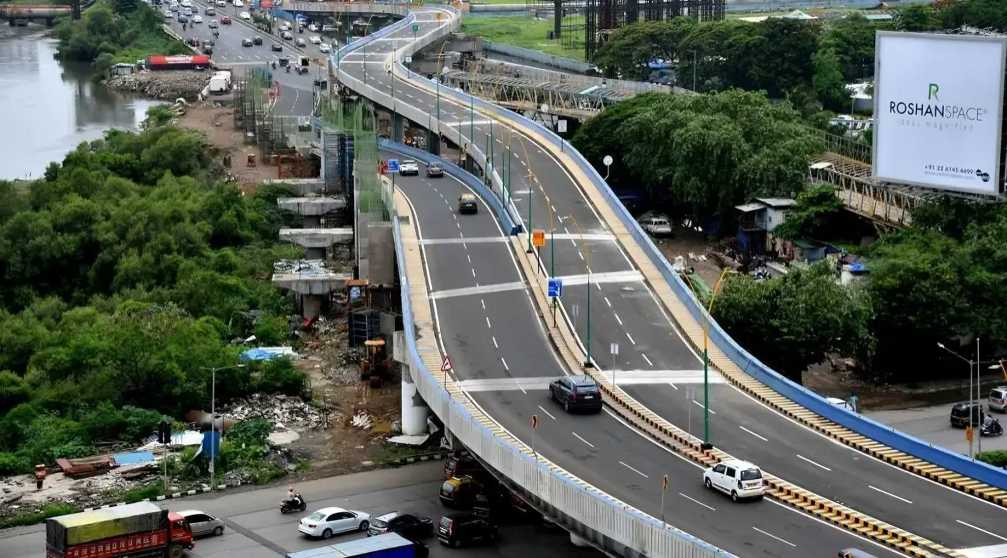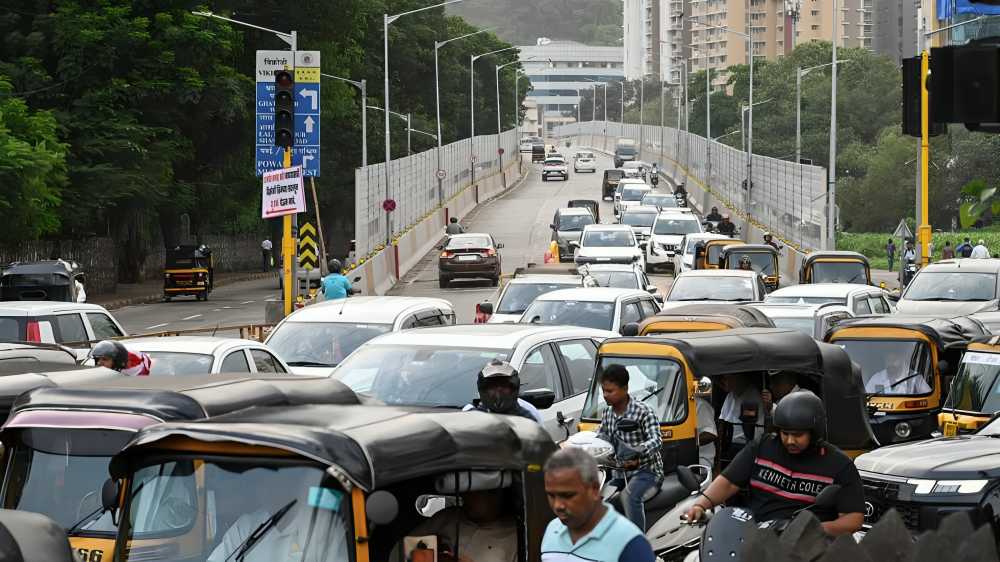

Mumbai traffic authorities have enforced new parking restrictions along a key access road near Vikhroli station to streamline vehicle flow and improve pedestrian safety in one of the city’s busiest commuter corridors. The measure reflects a broader strategy to optimise limited road space in high-density urban areas.
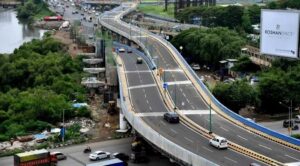
The affected stretch, linking a major junction to the eastern railway station entrance, is now designated as a no-parking zone on both sides. “The presence of parked vehicles had significantly reduced the effective width of the carriageway, creating choke points during peak hours,” officials noted. The decision follows repeated complaints from local residents and daily commuters about congestion caused by roadside parking. With thousands of commuters using this route daily, even minor obstructions previously led to cascading delays across nearby roads.
The restriction also addresses safety concerns. Urban mobility experts point out that parked cars often force pedestrians onto active traffic lanes, posing serious risks for children, the elderly, and differently-abled commuters. The regulation has been formalised under the Motor Vehicles Act, allowing enforcement authorities to penalise violations, though emergency vehicles such as ambulances and fire services are exempt.
The Vikhroli initiative is part of a larger effort to manage station-area traffic across Mumbai. Authorities have experimented with time-bound and alternating parking in other congested zones where permanent restrictions are challenging. Experts emphasise that while no-parking rules provide immediate relief, they must be complemented with last-mile connectivity, designated parking facilities, and enhanced public transport options to reduce dependence on private vehicles.
“This approach underscores the importance of station-area planning,” officials said. Efficient road networks around rail hubs directly impact commuting efficiency and economic productivity. Authorities will monitor compliance and evaluate effects on congestion and travel times, with the potential to extend similar measures to other high-traffic corridors in Mumbai. Ultimately, the move reflects a citywide shift toward prioritising mobility, safety, and accessibility over unregulated roadside parking.
Source: Urban Acres