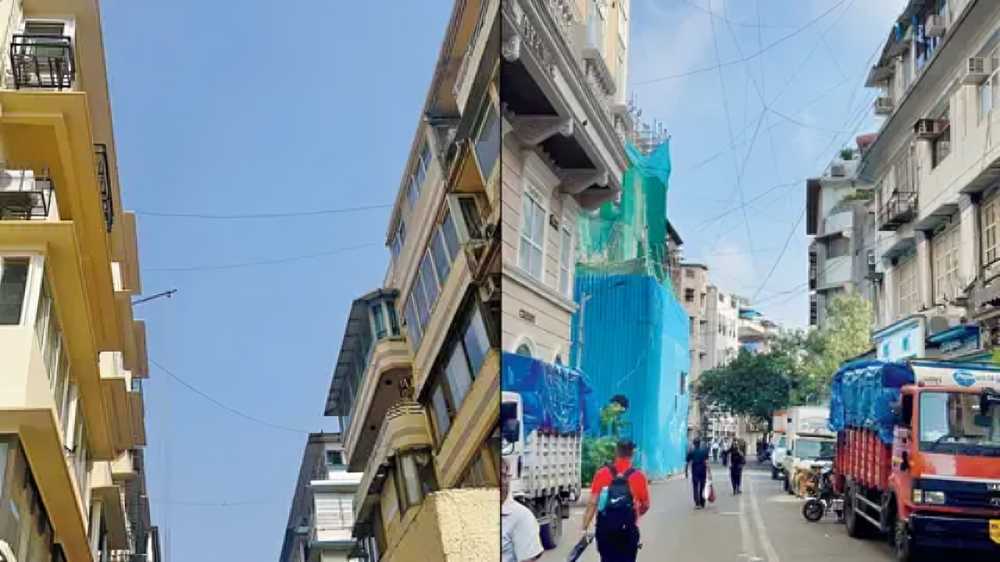

Mumbai rarely offers an easy start. The city greets newcomers with a mix of crumbling footpaths, rerouted traffic, leaking infrastructure, and looming monsoon clouds. Against this backdrop, Ashwini Bhide’s appointment as municipal commissioner marks not just a leadership change but the beginning of a demanding test. From day one, she has signalled that monsoon readiness will be the administration’s immediate focus.
In most places, this would be routine governance. In Mumbai, it feels more like stepping into a high-stakes arena. Yet, there is a subtle shift in public sentiment. Instead of the usual scepticism, there is cautious optimism that the city, long accustomed to flooding, delays, and incomplete civic works, might finally see more consistent execution.
Bhide’s reputation as a strict and efficient administrator works in her favour. In Mumbai, efficiency is valued over rhetoric. The city places its trust in systems that function reliably—whether it is the dabbawala network or the suburban railway timetable. A leadership style that prioritises coordination, accountability, and timely delivery is likely to resonate with residents.
Her prior experience with large infrastructure projects also adds to expectations. Managing complex urban systems, whether above ground or below, requires navigating layers of coordination and pressure. Mumbai’s civic challenges demand precisely this kind of approach.
At the same time, the city’s infrastructure has evolved over the years. Flood mitigation efforts, road redevelopment, and ongoing upgrades indicate progress, even if execution remains uneven. The need now is to move beyond announcements and focus on outcomes.
For Mumbaikars, the benchmark is simple: visible improvement. Better drainage, smoother roads, and coordinated civic action can quickly change public perception. The hope is for a season where preparedness is timely, infrastructure performs as intended, and governance delivers tangible results.
Source: Mumbai Mirror