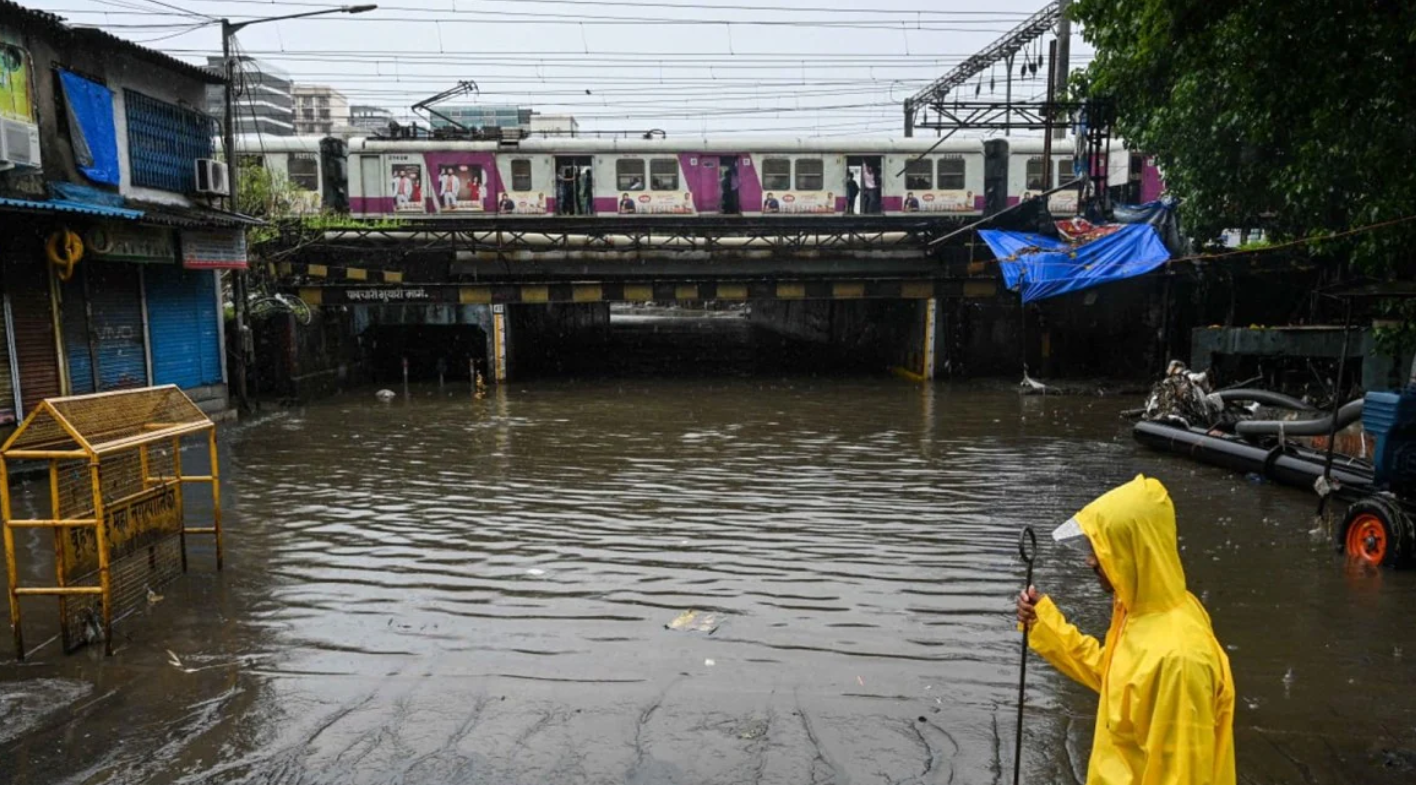

Commuters in suburban Mumbai may have to brace for yet another monsoon of disruption at the Andheri subway, with civic authorities yet to finalise a workable solution to its chronic flooding problem.
The subway, a critical east–west connector near Andheri railway station, has become synonymous with seasonal closures. Each year, heavy rainfall forces authorities to shut the stretch repeatedly due to waterlogging. The pattern has remained consistent, with dozens of closures recorded every monsoon over the past three years, underlining the absence of a lasting fix.
Officials from the Brihanmumbai Municipal Corporation acknowledge that the issue is unlikely to be resolved before the upcoming rains. Instead, the focus has shifted to identifying a long-term intervention that can be implemented after the season.
Two options are currently under discussion. One involves reworking the drainage network, though this is seen as difficult given the existing layout, where sharp turns slow down water flow and increase the risk of blockages. The second, and more likely option, is the construction of a holding tank system to temporarily store excess rainwater during peak downpours and release it gradually. A similar model deployed at Hindmata Junction has shown measurable results in reducing flooding.
To firm up the approach, the BMC has brought in IIT Bombay, with a deadline of mid-June to finalise the plan. Implementation, however, is expected only later in the year, effectively ruling out relief this monsoon.
A previously proposed Rs 200-crore drainage upgrade was dropped after internal assessments flagged poor cost-benefit outcomes. The upgrade would have only marginally improved the system’s capacity to handle rainfall, making it an unviable investment.
At the core of the problem is the subway’s design. Built in a low-lying, bowl-shaped section, it naturally draws in water from surrounding areas. The situation is compounded by the adjacent Mogra Nullah, which tends to overflow during heavy rain, pushing additional water into the subway.
Civic officials also point to persistent dumping of solid waste into drains as a contributing factor, with bulky items frequently choking the system and worsening flooding. With structural constraints, delayed execution, and recurring monsoon pressures, the Andheri subway is set to remain a weak link in Mumbai’s transport network for at least another season.