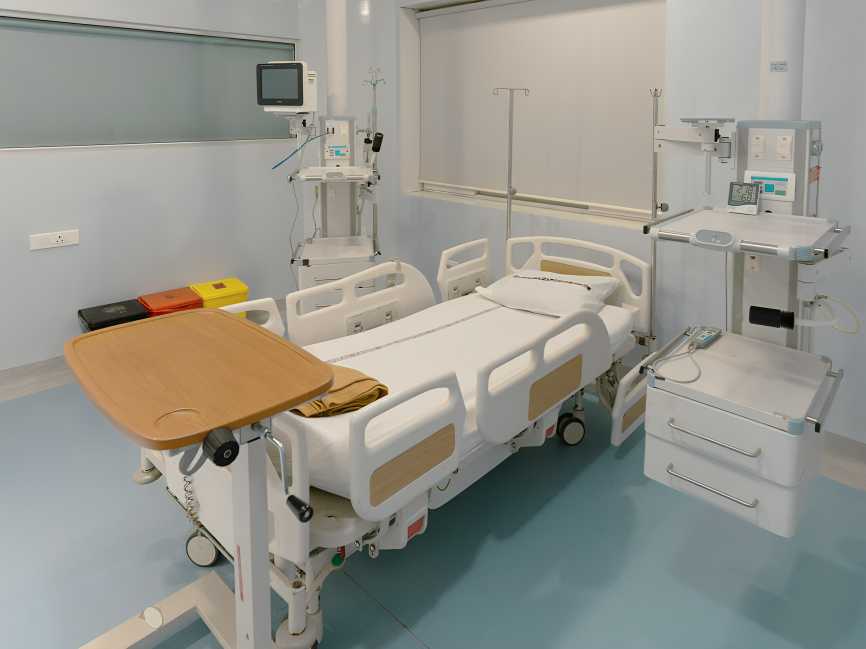

Public healthcare in Navi Mumbai is poised for a major upgrade as city authorities move to introduce advanced diagnostic and cardiac care facilities across civic hospitals. The initiative is expected to significantly improve access to affordable treatment in the rapidly expanding urban region.
The plan centres on upgrading key municipal hospitals in Vashi and Airoli with high-end equipment such as MRI scanners and cardiac catheterisation labs. These additions aim to reduce reliance on private hospitals, where high treatment costs often limit access for lower- and middle-income groups, and to strengthen the capacity of public institutions to deliver specialised care.
Urban health experts view this move as part of a broader shift in India’s cities, where healthcare infrastructure is increasingly seen as essential to equitable urban development rather than just a welfare service. In fast-growing areas like Navi Mumbai, rapid population growth has often outpaced healthcare infrastructure, leaving gaps in access to advanced diagnostics and timely treatment.
By bringing services like MRI scans and cardiac procedures into the public system, the initiative is expected to bridge some of these gaps. Officials indicate that pricing will be structured to remain affordable, especially for economically weaker sections, while also easing the burden on tertiary hospitals in nearby Mumbai.
Beyond cost advantages, the integration of advanced services within civic hospitals is likely to improve efficiency. Patients currently face delays due to referrals and long waiting periods at private diagnostic centres. With in-house facilities, diagnosis and treatment timelines could be significantly shortened, benefiting working populations.
From an urban planning standpoint, the move highlights the importance of decentralised healthcare systems in building resilient cities. Improved access to nearby, well-equipped hospitals can reduce travel, lower indirect costs, and enhance preparedness during emergencies.
However, experts stress that infrastructure upgrades must be supported by skilled manpower, regular maintenance, and transparent operations. Without these, even well-equipped facilities risk underutilisation. If implemented effectively, the initiative could serve as a model for other cities seeking to expand sustainable access to public healthcare.
Source: Urban Acres