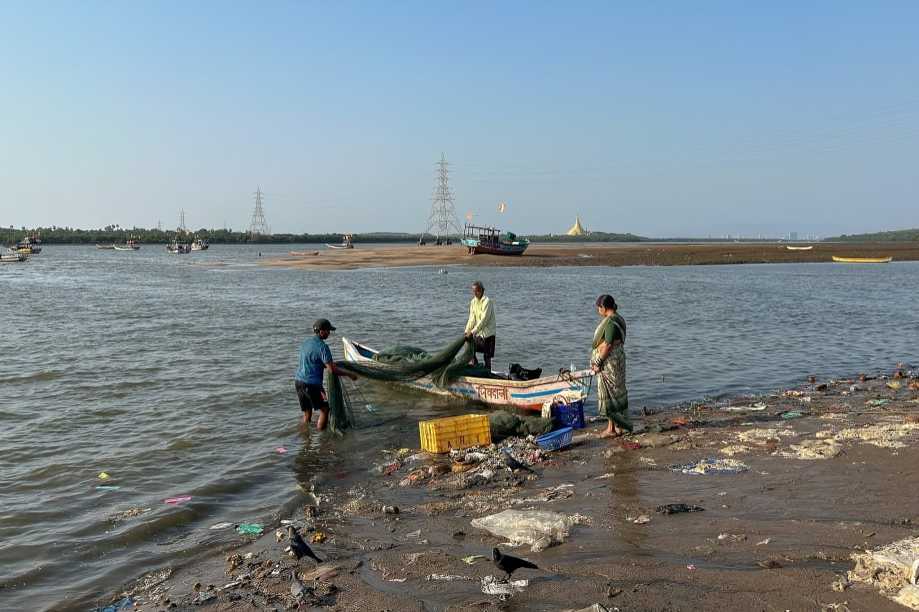

Along Mumbai’s creeks, the day begins before sunrise for the Koli fishing community, whose lives have long revolved around the sea and its rhythms. These waters, protected by dense mangrove forests, have sustained generations. But a proposed coastal road project now threatens to disrupt this fragile balance, placing both ecology and livelihoods at risk.

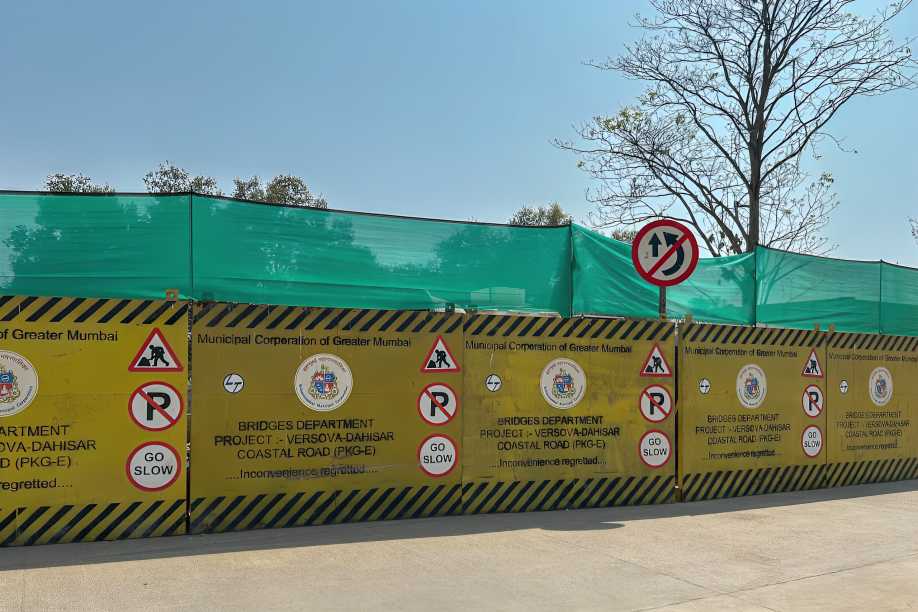
Stretching 26 km between Versova and Bhayandar, the project has sparked concern among fishers who depend on mangroves for survival. These ecosystems act as natural barriers against flooding, stabilise coastlines, store carbon and serve as breeding grounds for fish. Locally known as kaandalvan, teewar and khaarphuti, they are integral to daily life.
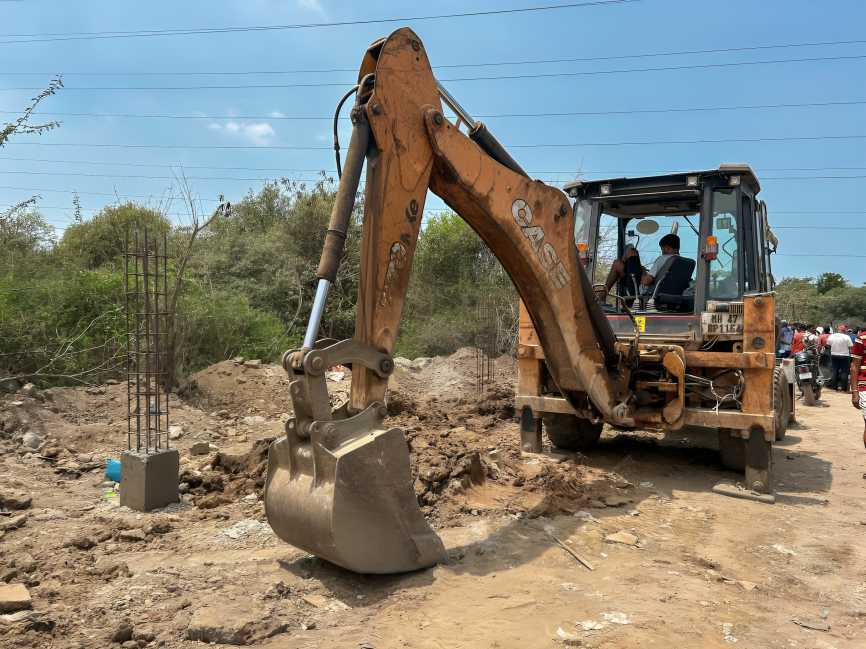
“I earn around 1,500-2,000 rupees (USD 16-21.50) a day. We fish 365 days,” says Sanjay Bhandari from Charkop. “If this coastal road comes, my income will go to zero.”
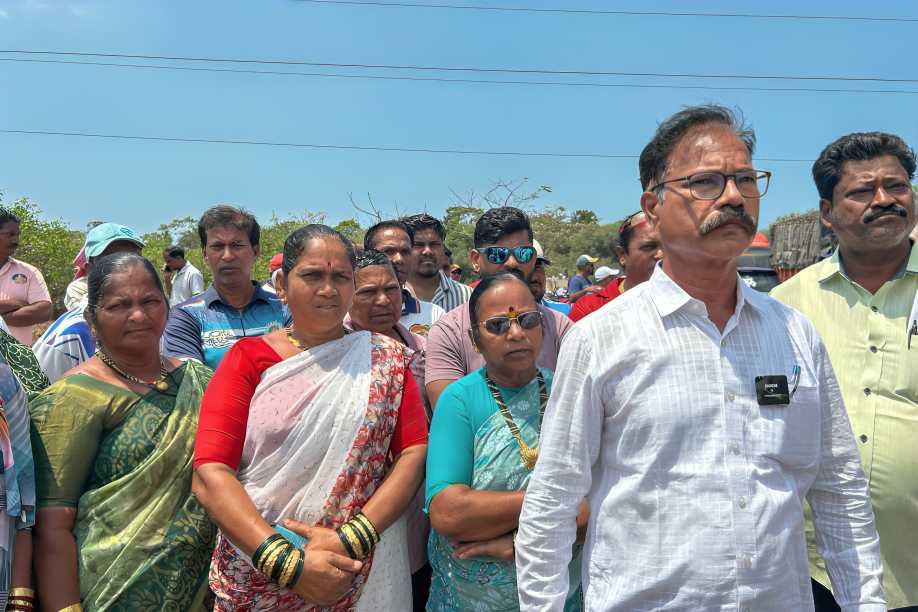
The Supreme Court of India recently declined to overturn a High Court order allowing the removal of around 46,000 mangrove trees for the project, which will be executed by the Brihanmumbai Municipal Corporation. The road is expected to be completed by 2029, with authorities stating it will ease congestion and reduce travel time.
However, fishers say the impact is already visible. Within days of the ruling, many reported declining catches and restricted access to traditional fishing areas. “The piling and constant hammering have scared away the fish. The fish understands changes in nature before humans do,” says Manohar Bhandari.

The project corridor passes through key fishing zones including Charkop, Malvani, Gorai, Aksa, Manori and Marve—home to thousands of fisherfolk. According to civic submissions, nearly 60,000 mangroves fall within the project’s influence zone, with about 9,000 set to be destroyed and over 37,000 likely to be affected during construction.

Fishers allege they were not adequately informed. Many say they first learned about the mangrove felling through citizen groups and social media. “Why hide it?” asks Manohar. “Why not let us see?”
Environmentalists echo these concerns. Stalin Dayanand notes that local communities are often excluded from decision-making despite regulatory frameworks mandating their inclusion. “Informing them is what an ethical government should do,” he says. “[The fishing communities] always have to fight back, and then some settlement is reached.”
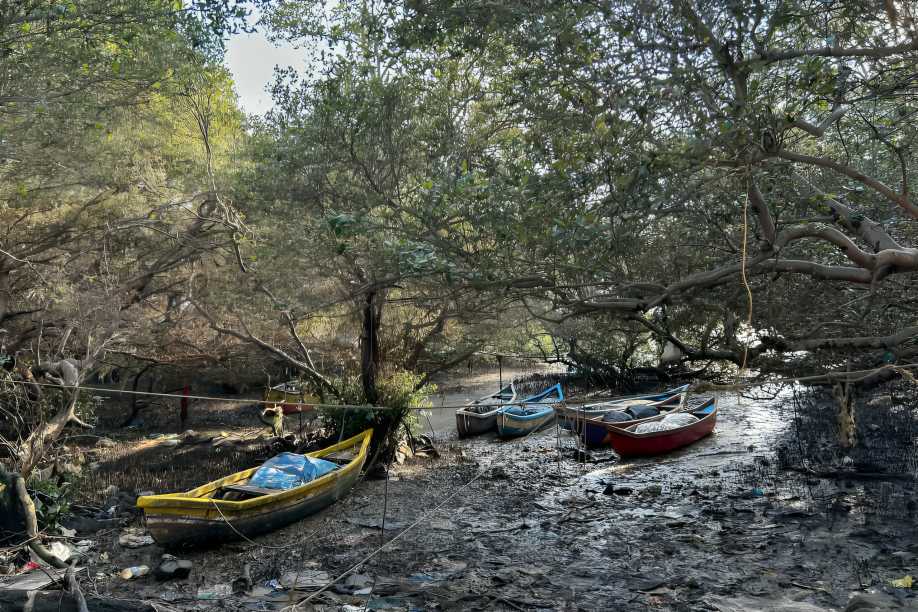
Beyond economics, the issue is deeply cultural. Mangroves have long shaped Koli traditions, from housing materials to folk medicine. “Concrete alone is not development; living in peace with nature is real development,” says Mohit Ramle.
For many, the stakes extend beyond a single project. “This mindset is more dangerous than a tsunami. A tsunami comes once; this keeps destroying nature again and again.”
Source: Dialogue Earth