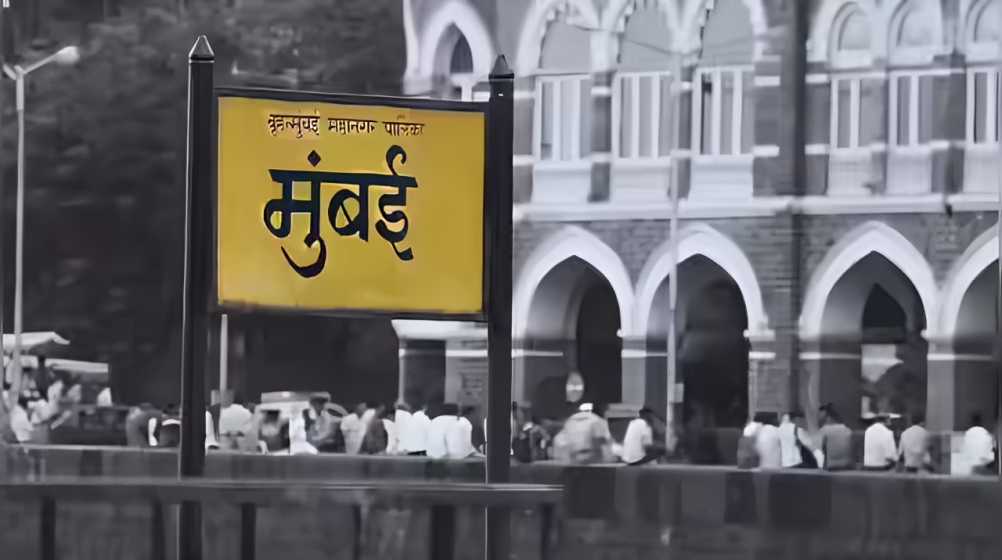

Mumbai is often defined by its speed, density and ambition—packed local trains, financial clout and a skyline in constant flux. Yet beyond this modern image lies an older city, one that grew from colonial Bombay into a major port and commercial hub. Scattered across South Mumbai and surrounding areas are landmarks that have stood for over a century, quietly witnessing empire, independence and rapid urban transformation.
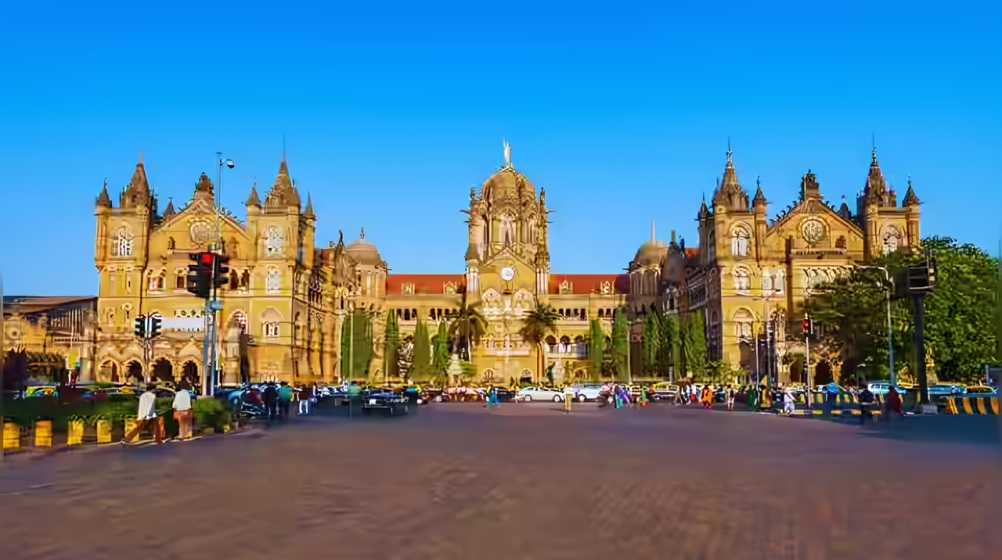
What sets Mumbai apart from many heritage destinations is that its historic sites are not preserved as static monuments. They remain deeply embedded in everyday life. Office-goers hurry through century-old railway stations, readers still frequent colonial-era libraries, traders operate within historic markets, and places of worship continue to draw devotees. For visitors, these sites offer more than architectural beauty—they provide insight into the forces of trade, migration, governance and culture that shaped the city.
One of the most iconic structures is Chhatrapati Shivaji Maharaj Terminus, completed in 1887 and originally known as Victoria Terminus. A UNESCO World Heritage Site, it blends High Victorian Gothic Revival architecture with Indian design elements. Despite its grandeur, it remains one of the busiest railway stations in India, embodying the city’s blend of heritage and motion.
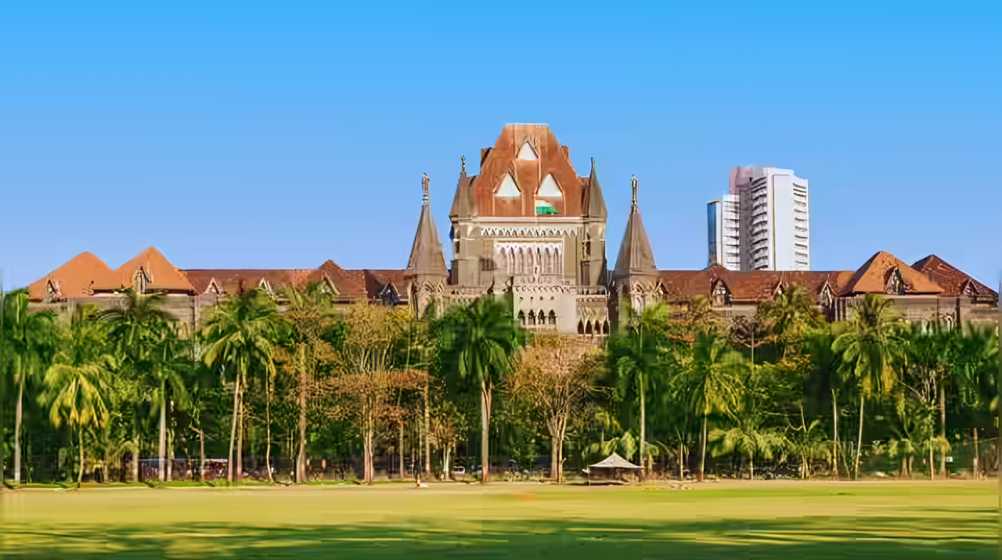
Nearby stands the Bombay High Court, established in 1862 and housed in its current neo-Gothic structure since 1878. With its pointed arches and long corridors, it continues to play a central role in shaping the region’s legal framework.
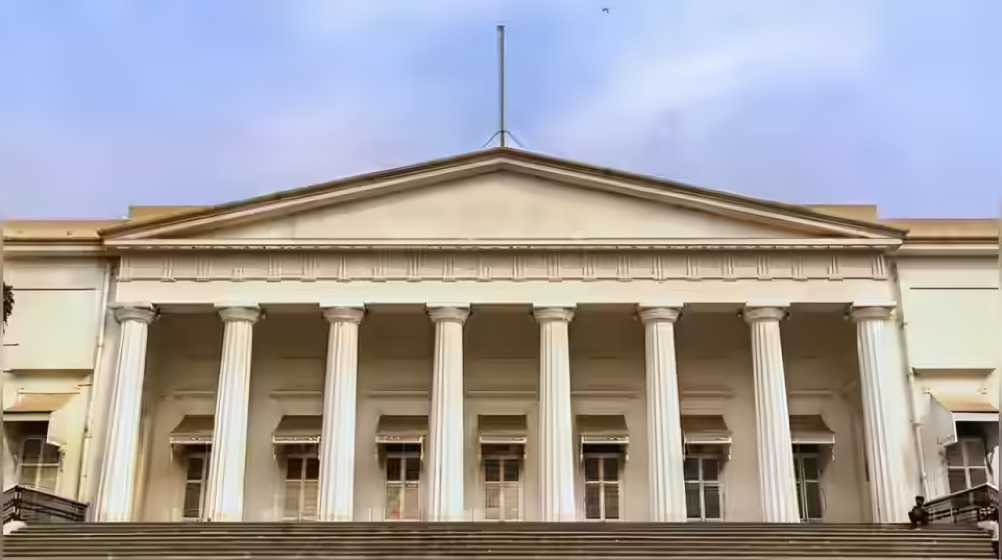
The Asiatic Society Town Hall, built in 1833, is another architectural landmark. Known for its grand staircase and classical columns, it houses a library with rare manuscripts, making it a hub of scholarship and history.
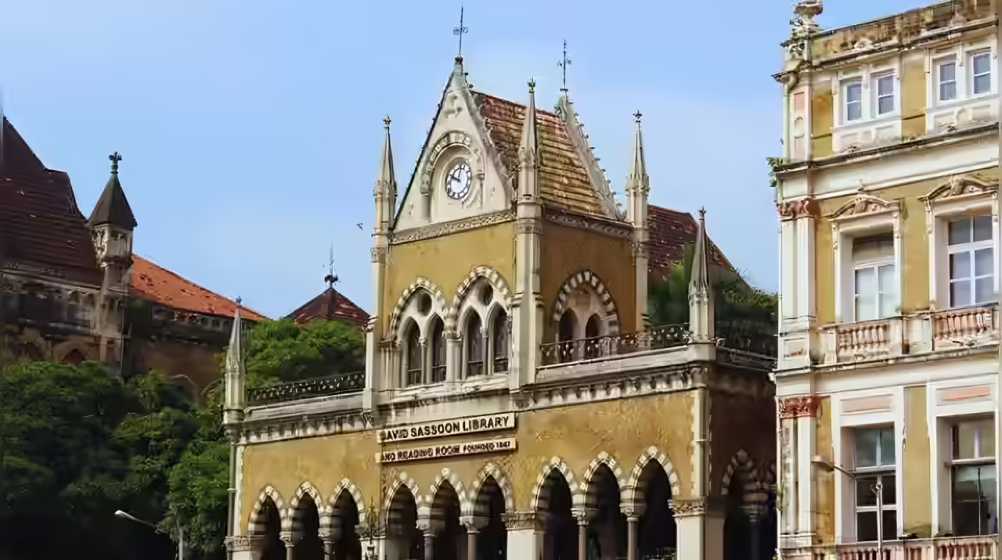
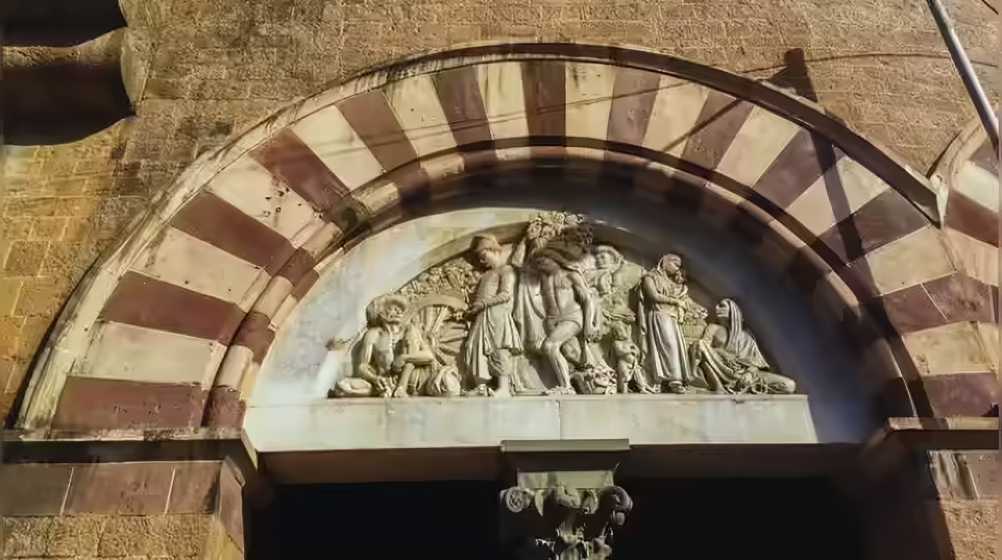
Equally significant is the David Sassoon Library and Reading Room, opened in 1870. This Venetian Gothic structure reflects the philanthropic legacy of the Sassoon family and continues to serve as a quiet cultural retreat in the bustling Kala Ghoda district.
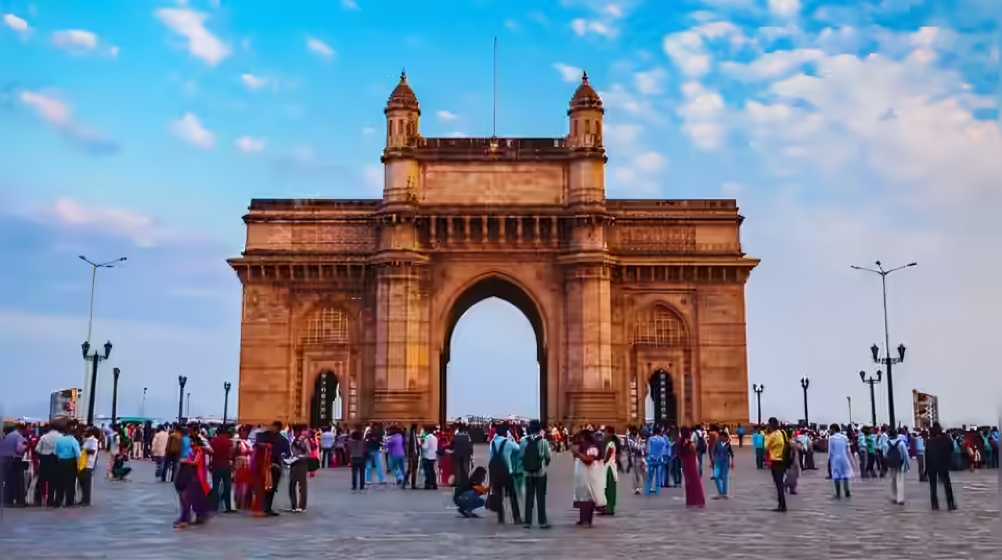
At the waterfront, the Gateway of India, completed in 1924, stands as a symbol of both colonial history and independence. Originally built to commemorate a royal visit, it later became the site marking the departure of British troops in 1948.
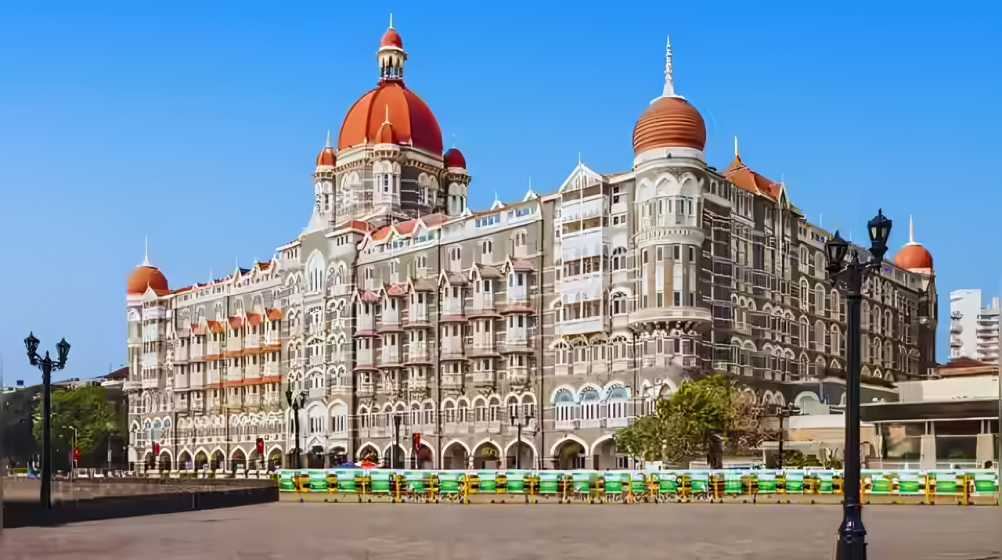
Overlooking it is the Taj Mahal Palace Hotel, established in 1903 by Jamsetji Tata. The hotel represents Indian enterprise during colonial times and has hosted global dignitaries for over a century.
Markets too tell stories of continuity. Mahatma Jyotiba Phule Mandai, built in 1869, remains a bustling centre for fresh produce and spices, combining Norman and Flemish architectural styles with everyday commerce.
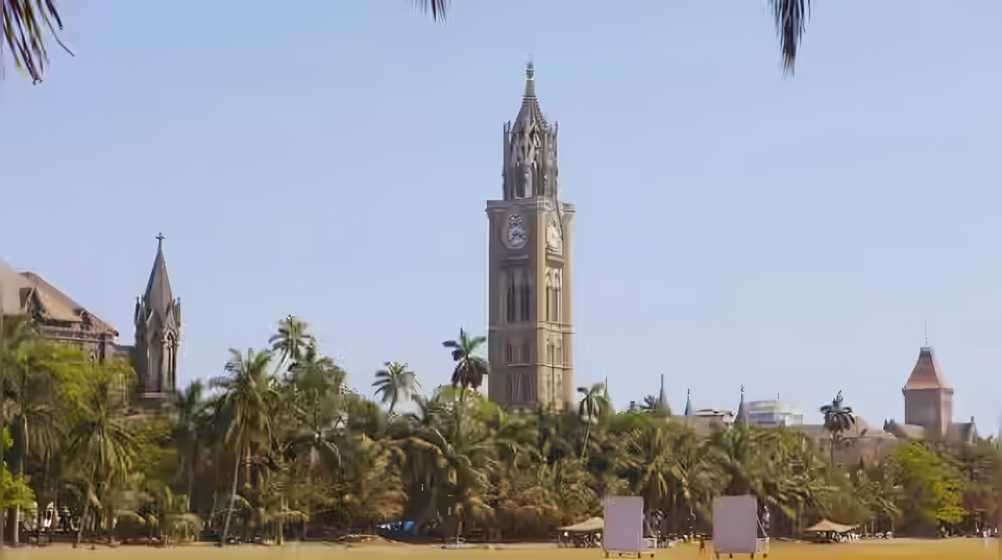
Finally, the Rajabai Clock Tower, completed in 1878, stands tall over the University of Mumbai campus. Inspired by European clock towers, it was funded by Premchand Roychand in honour of his mother.
Together, these landmarks offer a living narrative of Mumbai’s past—one that continues to evolve even as it endures.
Source: Times Entertanment