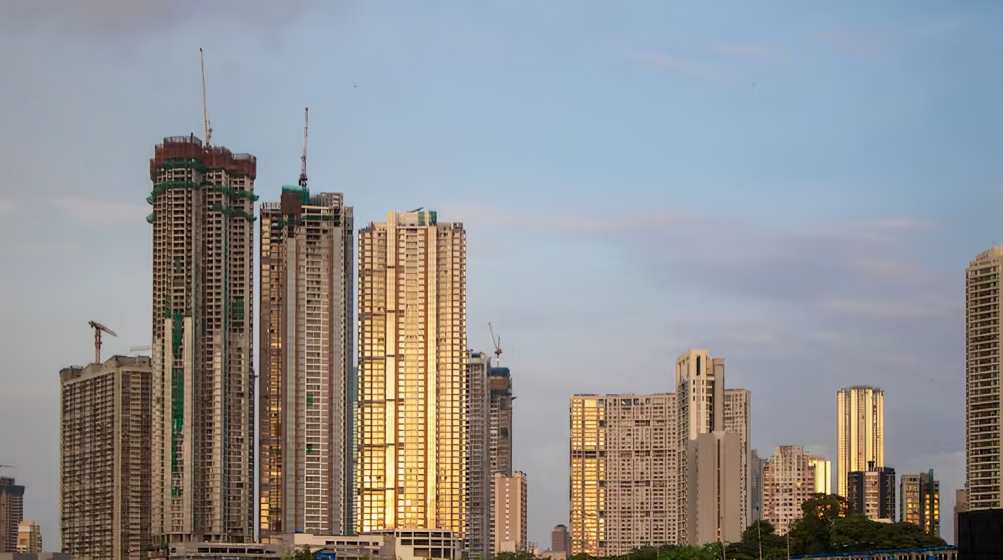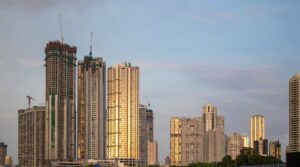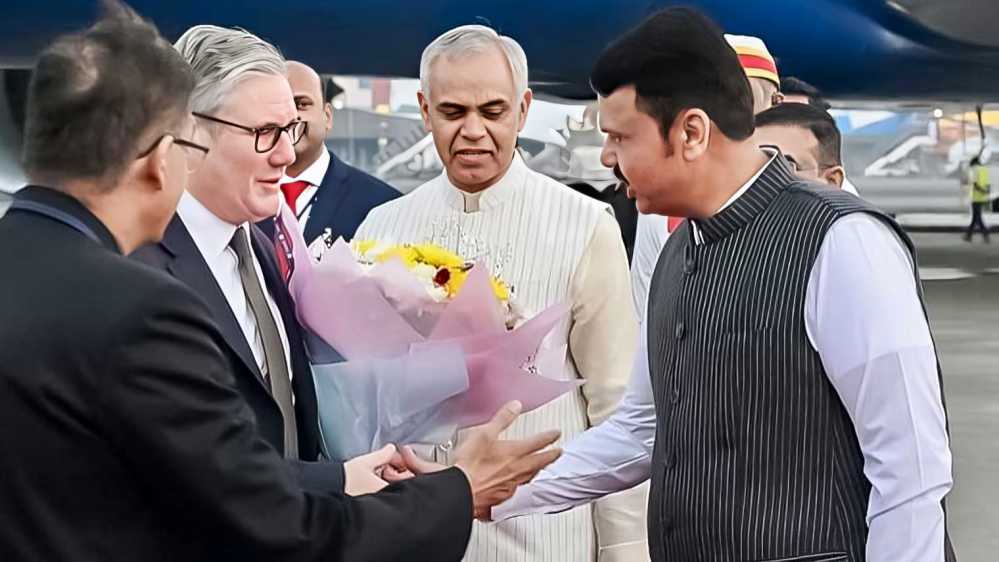

Mumbai’s relentless growth has long pushed planners to think beyond its original geography. Now, the Maharashtra government’s ambitious “Third Mumbai” project seeks not just to ease congestion in the existing city, but to create a global urban centre in its own right—one that could rival established metropolitan hubs.
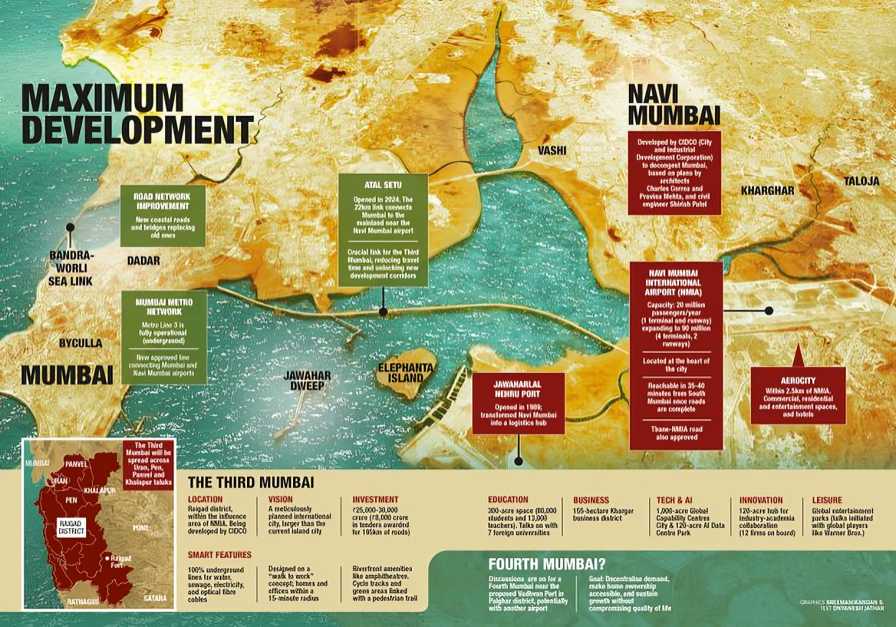
The vision, championed by Chief Minister Devendra Fadnavis, outlines a greenfield city in Raigad district, strategically located around the upcoming Navi Mumbai International Airport. Conceived as a fully integrated urban ecosystem, Third Mumbai will host global universities, advanced healthcare institutions, large-scale business districts, data centre parks, and global capability centres, supported by modern infrastructure.
Urban experts see transformative potential in the plan but caution that execution will be key. “Third Mumbai is a brilliant idea, and it will bring transformational change to Mumbai,” said Pankaj Joshi, principal director at Urban Centre Mumbai. “However, three things need to be ensured. It should have a mass rapid transport system like Mumbai’s suburban railway network. A metro will not work because it is expensive. Second, Third Mumbai requires mixed use planning, which was done in Beijing and Shanghai when those cities expanded. People should live closer to the work place. Third, the new city should have the best of amenities and utilities. Bringing land into urban domain is always good idea if it is backed by detailed and solid planning. If people living in Third Mumbai can reach south Mumbai in 40-45 minutes then it will be a success.”
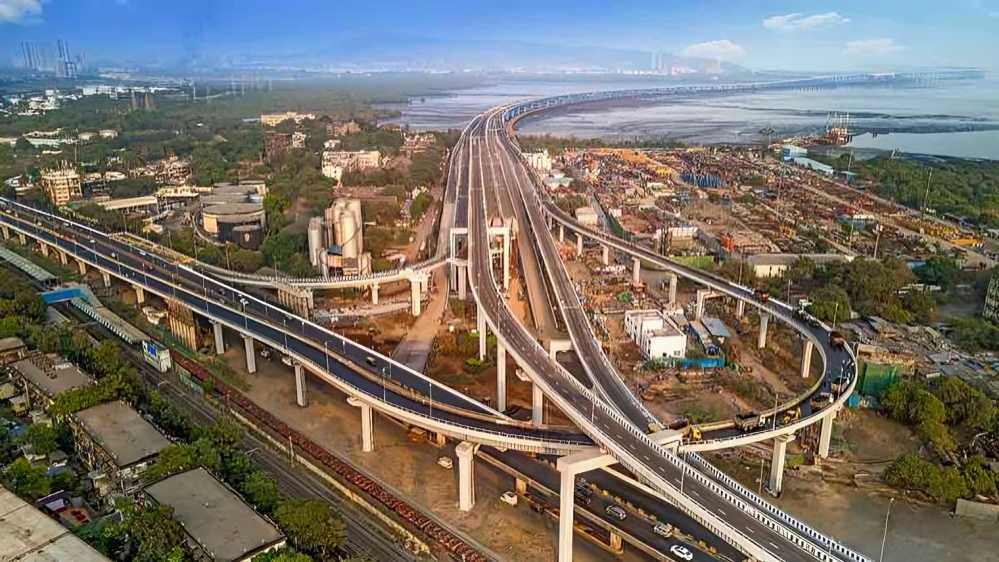
The push for a third urban node comes as Mumbai continues to strain under population pressure despite ongoing infrastructure upgrades. From coastal roads and metro corridors to sea links like the Atal Setu, the city is expanding—but not fast enough to match demand. Navi Mumbai, developed in the 1970s as a counter-magnet, helped redistribute some growth but remained dependent on the main city for decades.
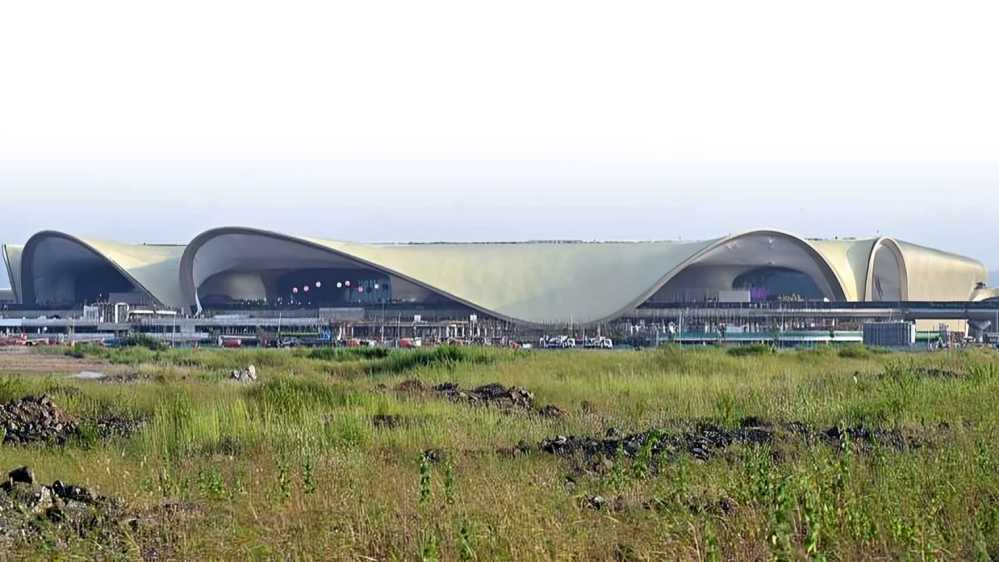
Third Mumbai aims to avoid those pitfalls. With nearly Rs 3 lakh crore already invested in surrounding infrastructure, planners expect the region to emerge as a self-sustaining hub rather than a dormitory suburb. Improved connectivity, including expressways and port access, is expected to anchor its growth.
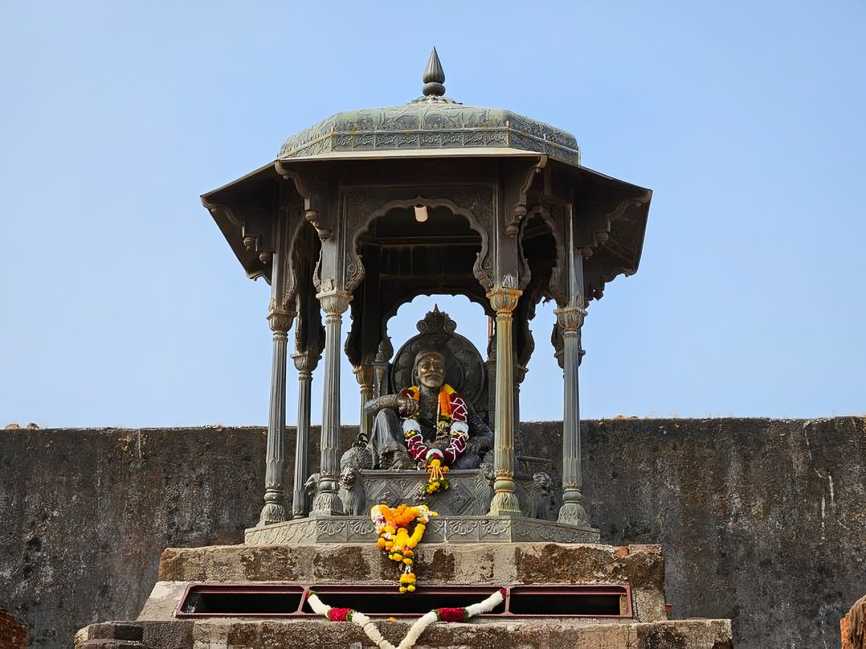
At the heart of this transformation is the Navi Mumbai International Airport, which is set to unlock a broader economic corridor stretching across Panvel, Uran, Pen and Khalapur. The airport’s development is likely to trigger an aerocity, commercial districts, and large-scale residential expansion. Real estate activity has already surged, with land prices rising sharply in anticipation.
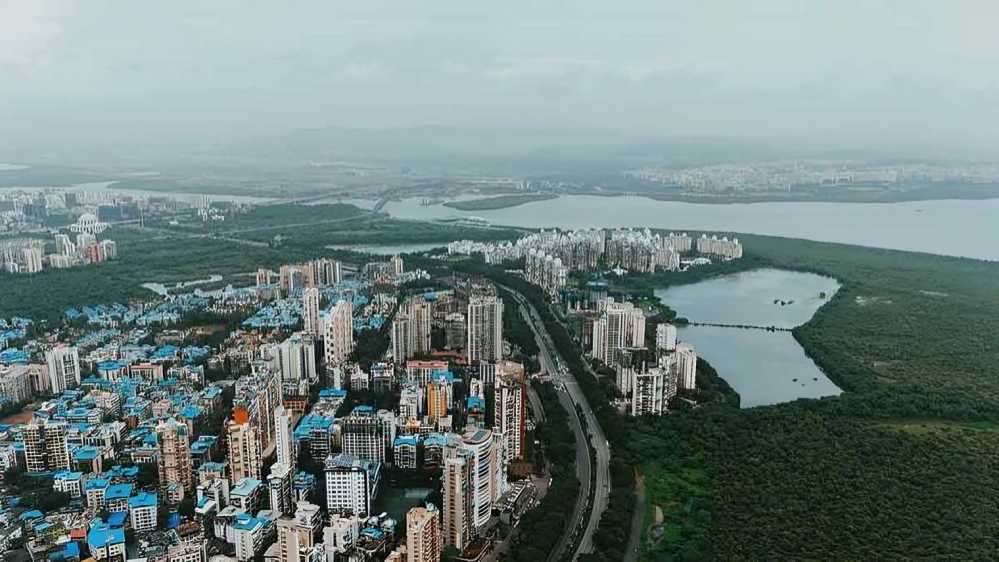
The blueprint also includes a 250-hectare business district in Raigad-Pen, an innovation city focused on AI and technology, and an international education hub capable of housing tens of thousands of students. Together, these elements are designed to create a diversified economic base and reduce dependence on Mumbai’s traditional core.
However, experts warn that such large-scale urban experiments take time to mature. As Joshi noted, dependence on Mumbai will persist in the early years, and success will hinge on timely infrastructure delivery and balanced planning.
Ultimately, Third Mumbai represents more than just an expansion—it is an attempt to rethink how cities grow in India. Whether it evolves into a well-planned global hub or repeats the challenges of its predecessor will depend on how effectively vision translates into execution.
Source: The Week