
A recent ruling by the Maharashtra Real Estate Appellate Tribunal has brought renewed attention to the risks faced by homebuyers in redevelopment projects, particularly when developers fail to deliver. The decision, arising from a case in Mumbai, reaffirmed a housing society’s right to appoint a new promoter but clarified that affected buyers must seek remedies from the original developer.
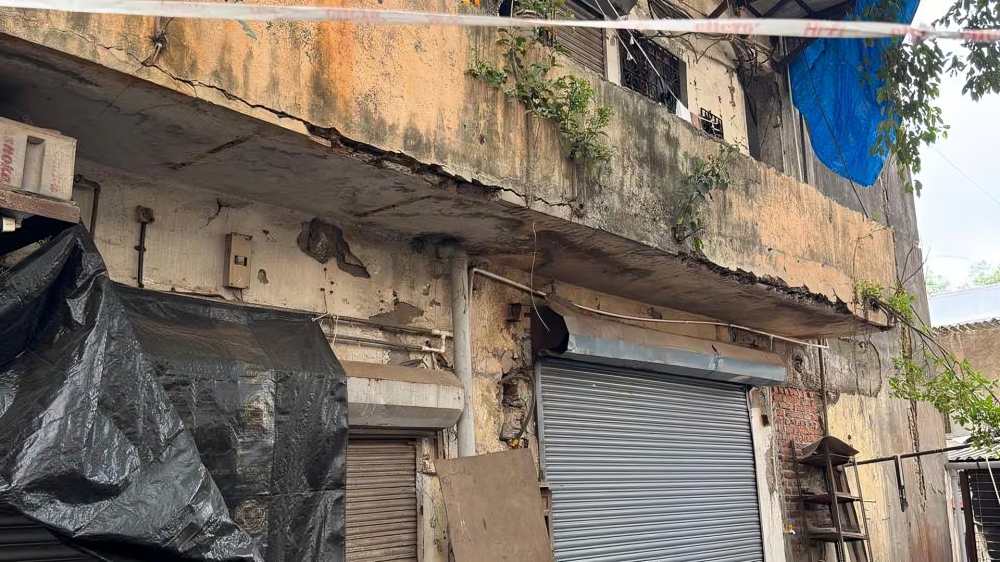
The case involved the SBI Employees Prashant Co-operative Housing Society in Borivli, where redevelopment was initiated in 2013 with Aditya Developers. The project, registered under MahaRERA in 2017, faced delays and eventually stalled after partial construction. The society terminated the developer’s contract in 2019, a move later upheld by the Bombay High Court.
The tribunal dismissed appeals filed by flat purchasers and upheld the validity of a fresh project registration secured by the new promoter, URNA Evolved Living Pvt Ltd. It ruled that neither the society nor the new developer is responsible for obligations left by the previous developer. Buyers have been directed to pursue arbitration against Aditya Developers.
The tribunal also clarified that Section 15 of the RERA Act—requiring consent from two-thirds of allottees for transfer of promoter rights—did not apply in this case, as the change occurred through judicial intervention rather than a voluntary transfer.
Legal experts say the ruling underscores the importance of due diligence for homebuyers entering redevelopment projects. Verifying a developer’s track record and understanding contractual arrangements with housing societies are crucial, as buyers may have limited recourse if a project collapses.
CA Ramesh Prabhu said, “Courts have clarified that unless facts show consent, ratification, or benefit, buyers cannot automatically claim against the society or new developer,” adding, “When a developer fails to fulfil obligations under a Development Agreement, the housing society may either terminate the contract and appoint a new developer, or allow the existing developer to bring in another. The rights of purchasers differ in each situation. Several Bombay High Court judgments have held that a society is not a “promoter.” Therefore, when a developer is terminated, buyers’ remedies lie against the terminated developer, not against the society or the new developer appointed to complete the project.”
The ruling highlights the legal and financial exposure faced by buyers in redevelopment projects and reinforces the need for caution before investing.
Source: Mid-day