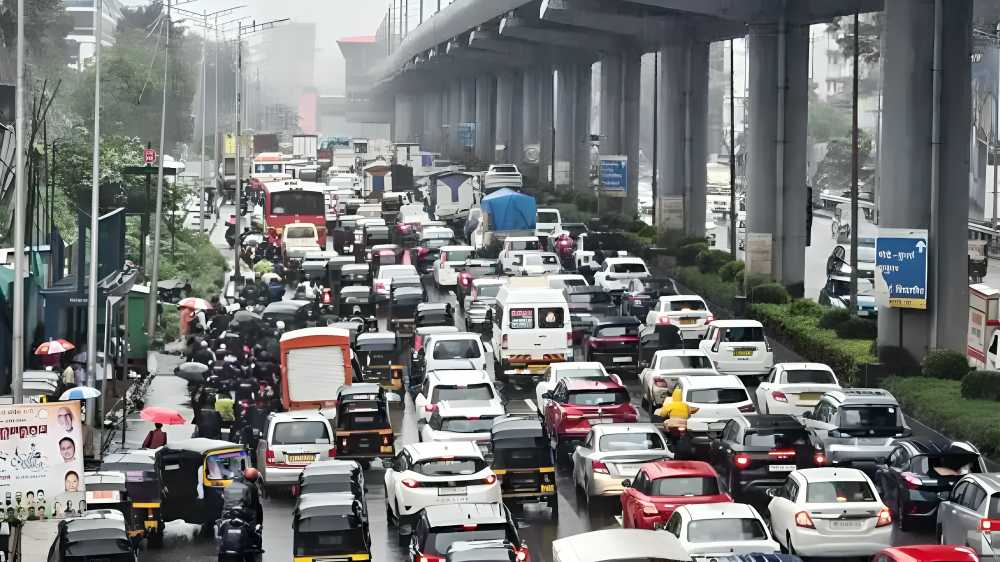

Mumbai is witnessing one of the largest infrastructure expansion phases in its history, with projects worth over US 60 billion (approximately Rs 5 lakh crore) underway across the Mumbai Metropolitan Region. From metro rail corridors and coastal roads to sea links, tunnels, and a new international airport, the city is being rapidly reshaped. Yet, despite this unprecedented investment, daily commuting for millions of residents remains long, exhausting, and unpredictable.
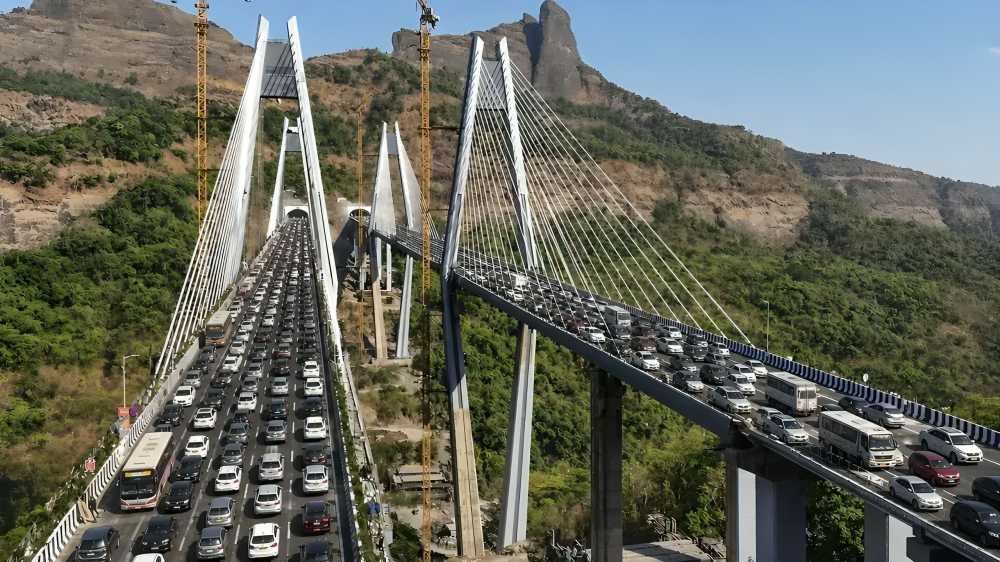
The city’s infrastructure strategy is heavily focused on mobility transformation. Mumbai’s metro network is expected to expand from just over 100 km currently operational to nearly 300–337 km through 16 planned lines. Major projects such as the Mumbai Trans Harbour Link and the Coastal Road are already reducing travel times on select routes. Authorities estimate that several corridors could eventually become accessible within an hour.
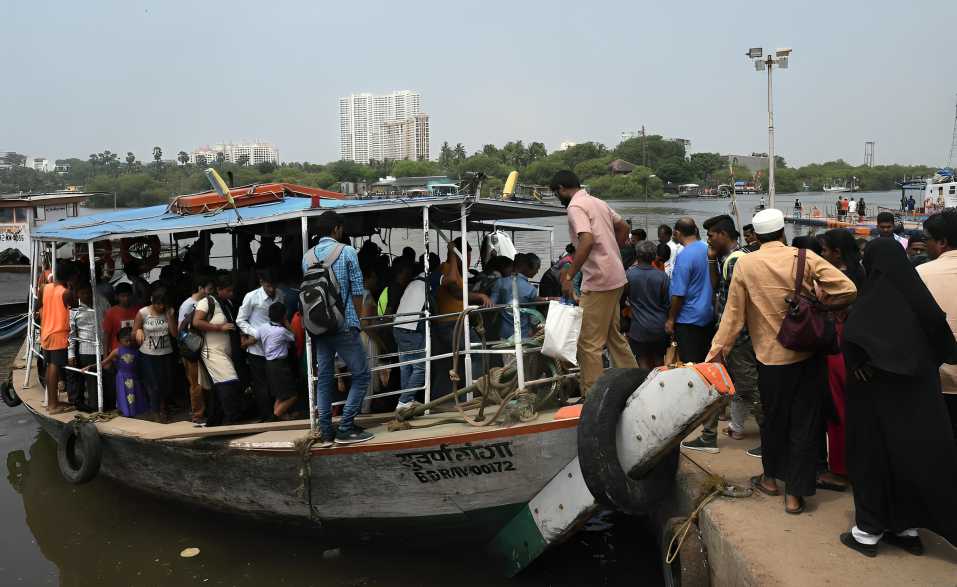
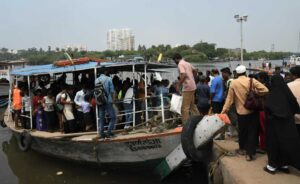
However, Mumbai’s scale and density continue to pose significant challenges. The Mumbai Metropolitan Region houses over 21 million people, with urban density exceeding 22,000 people per sq km. At the same time, the city consistently ranks among the world’s most congested urban centres, with average commute times still exceeding 100 minutes daily.
For many residents, the benefits of new infrastructure remain gradual and uneven. “While new metros and flyovers have been added, there are more options now, yes, but it is not like daily life has become dramatically easier for us,” said Ananya, a commuter from Andheri-Versova. “Commutes are still long and exhausting, and traffic congestion continues to be a major frustration.”
Experts believe the simultaneous rollout of multiple mega-projects could eventually reshape Mumbai’s urban structure. Ashwinder R. Singh of the National Association of Realtors – India noted, “For the first time, the metro, coastal road, trans-harbour link, and airport are arriving together, as a system, not in isolation.”
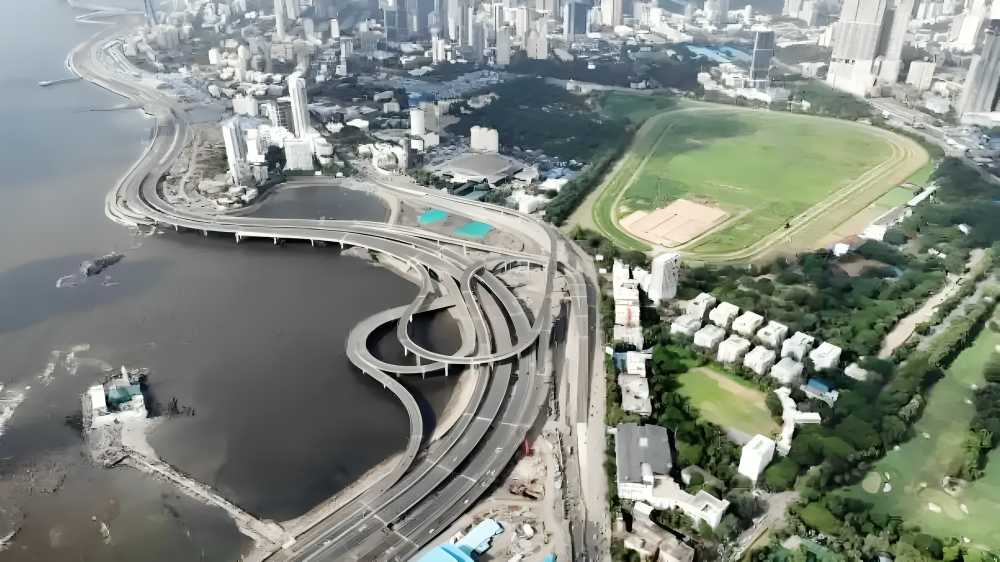
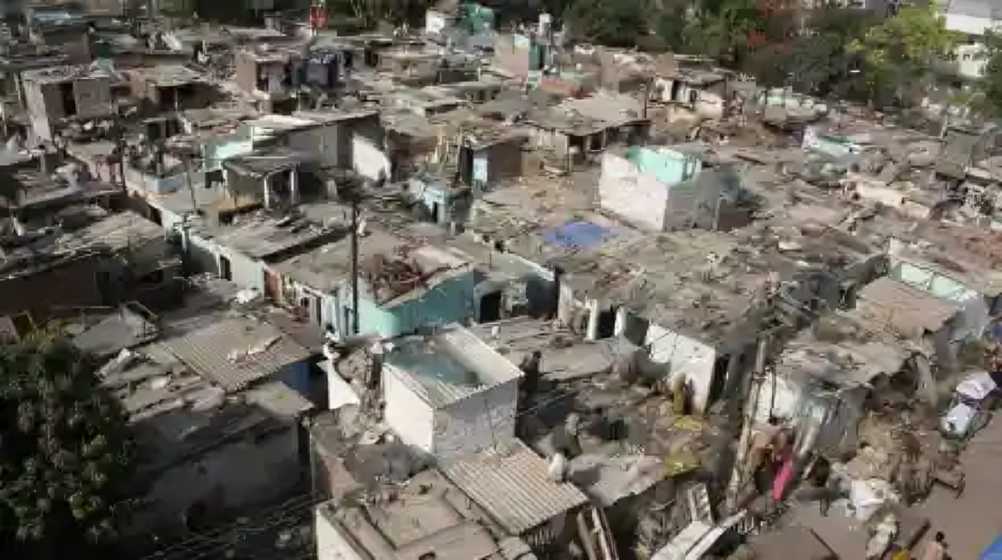
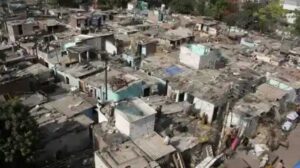
Still, analysts caution that infrastructure alone cannot resolve Mumbai’s broader urban challenges. Housing affordability, governance fragmentation, and weak last-mile connectivity continue to limit the full impact of these projects. Improved connectivity has already driven property price growth in emerging areas such as Ulwe and Panvel, raising concerns that development may increase costs faster than accessibility.
“Infrastructure without housing reform is like widening a river without fixing the dam,” Singh explained.
While emerging hubs such as Navi Mumbai and Thane are seeing increased residential and commercial activity, employment remains concentrated in traditional business districts like South Mumbai and BKC. As a result, decentralisation is progressing slowly rather than fundamentally altering the city’s urban structure.
For now, Mumbai remains caught between two realities — a future city being rapidly built, and a present city still struggling with congestion, construction disruption, and uneven urban growth.
Source: Mumbai Now