
The Maharashtra government has introduced a draft law titled the Maharashtra Devasthan Inams Abolition Act, 2026, aimed at ending the long-standing complexities surrounding temple inam lands and facilitating the redevelopment of large land parcels across the state. The proposed legislation is expected to unlock nearly one lakh hectares of land currently tied up in ownership disputes, while also creating a mechanism for temple trusts to generate revenue from these properties.
The BJP-led Mahayuti government has invited suggestions and objections from the public on the draft legislation, with submissions open until June 5. If passed in its current form, the law will apply throughout Maharashtra except in regions governed by the Hyderabad Abolition of Inams and Cash Grants Act, 1954, the Hyderabad Atiyat Inquiries Act, 1952, and the Wakf Act, 1995. The first two legislations apply to Marathwada, which was previously part of the Hyderabad State before 1956.
According to officials, a significant portion of temple-owned inam land is presently occupied by private individuals for agricultural or other uses. Despite this, temple trusts often receive minimal financial returns from the properties, while occupants remain unable to redevelop, transfer or commercially utilise the land due to the absence of ownership rights. Many such lands continue to fall under Class II occupancy status, which imposes restrictions on transfer and redevelopment.
To address the issue, the state is considering allowing occupants to convert these holdings into Class I occupancy by paying a premium to the respective temple trusts. The funds collected through the process could then be used for religious, charitable, administrative and public welfare activities undertaken by the trusts.
The proposed framework also states that transferred land will remain subject to land ceiling limits under the Maharashtra Tenancy and Agricultural Lands Act, 1948. Any excess land beyond permissible limits would revert to the concerned temple trusts.
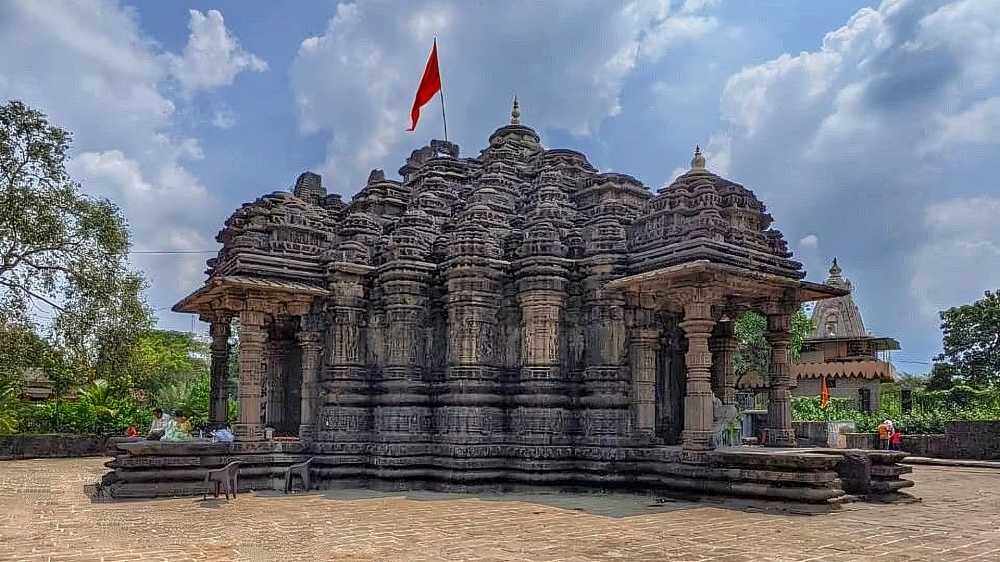
Officials estimate that around 50,000 acres of such land come under the Western Maharashtra Devasthan Committee alone, which oversees nearly 3,000 temples, including the Mahalaxmi Temple and Jotiba Temple in Kolhapur district. The government believes the legislation could help regularise ownership, reduce legal disputes and open up large land parcels for redevelopment and economic activity across Maharashtra.
Source: The Free Press Journal