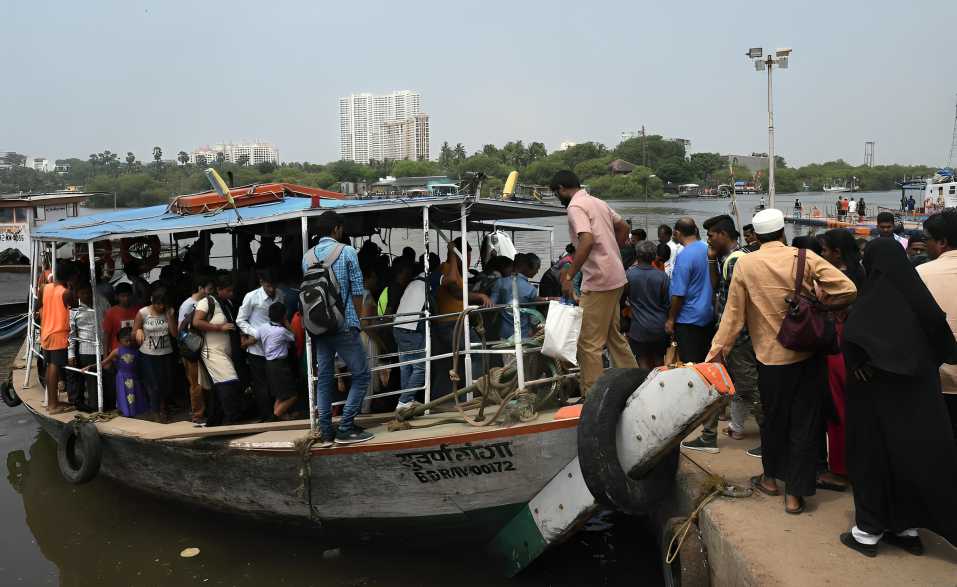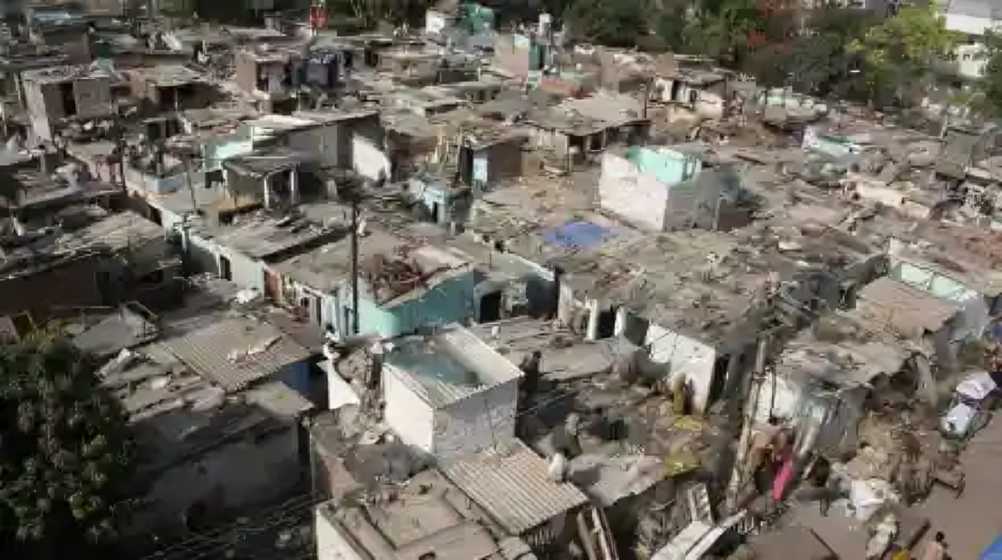

Mumbai’s ambitious coastal infrastructure expansion is once again bringing the city’s development agenda into direct conflict with its indigenous fishing communities, as the 26-km Versova–Bhayandar Coastal Road threatens both livelihoods and fragile coastal ecology.
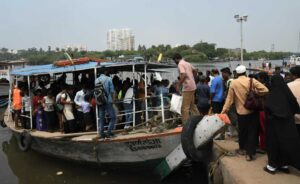
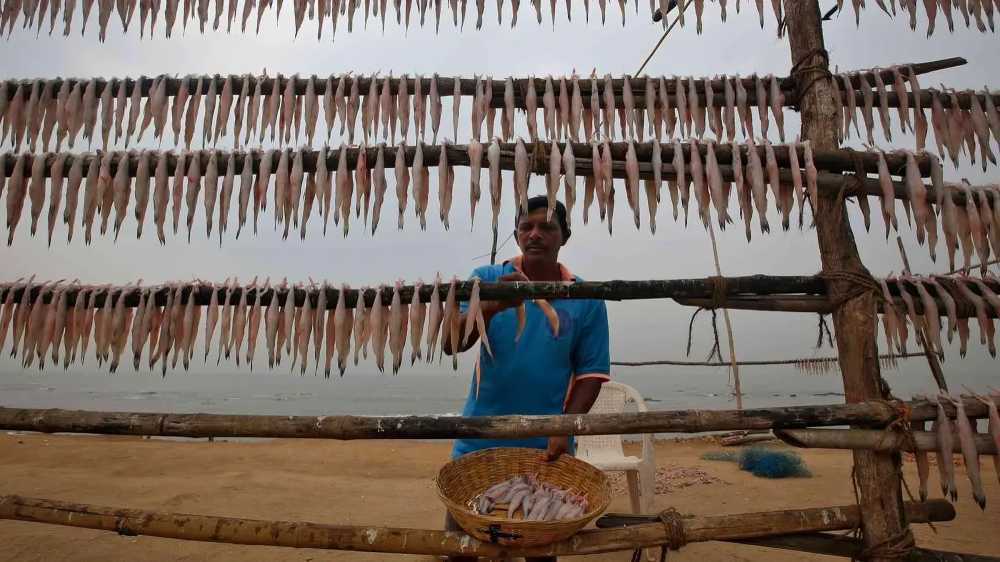
For 71-year-old Anil Bhandari, a Koli fisher from Charkop Koli Wada, the sea is not just a workplace but a generational inheritance. Setting out in his small boat before dawn, he earns a modest daily income from the Manori creek, a routine he has followed for decades, as did his father before him. Now, he fears that this way of life may soon disappear.
“I make Rs.2,000 to Rs.2,500 a trip—about Rs.10,000 a week, Rs.40,000 to Rs.50,000 a month. My wife and I survive on this. Where will I go at this age, if I have to stop fishing?” he said, reflecting the anxiety of nearly 70 fisher families in his settlement.
The Brihanmumbai Municipal Corporation (BMC) is developing the coastal corridor as an extension of Mumbai’s western waterfront expressway system, linking Versova to Bhayandar through fishing villages such as Charkop, Aksa, Madh, Marve, Malwani and Manori. The project, estimated at ₹18,263 crore, is scheduled for completion by 2029.
However, the alignment cuts through ecologically sensitive mangrove belts. Official filings indicate that over 45,000 mangroves will be directly affected, including thousands marked for permanent removal. Environmental authorities have mandated compensatory plantation drives across Bhayandar and Palghar, alongside relocation efforts.
Mangroves, locally known as kharfuti or kandalvan, form the ecological backbone of the coastline, supporting marine biodiversity and acting as natural flood barriers. Fisher leaders argue their destruction will collapse small-scale fishing economies. “Once the mangroves are cut, the small fishermen will not survive,” said Dhiraj Bhandari of the Charkop Koliwada Machhimar Sahakari Samiti.
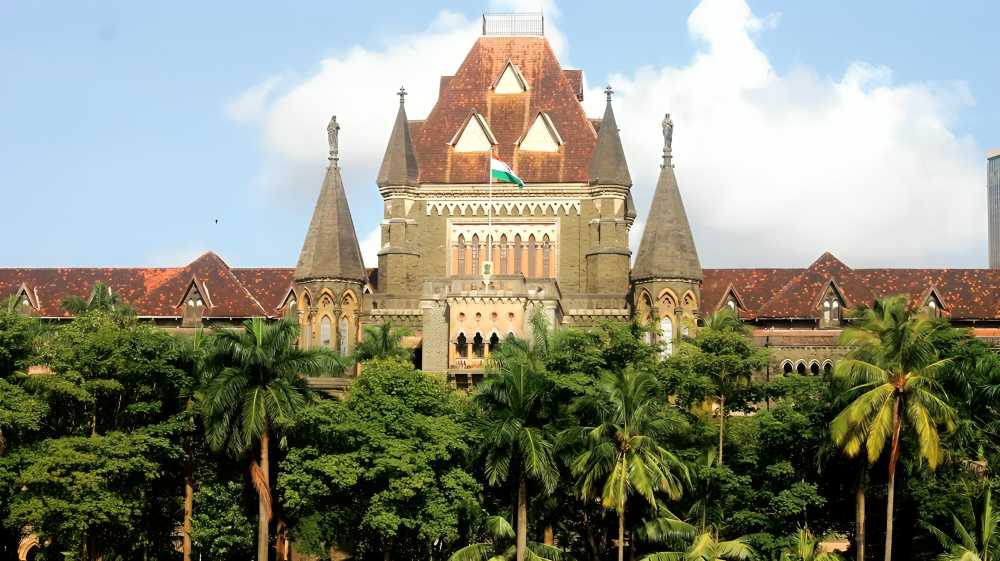
Environmental groups, including the Bombay Environmental Action Group and Vanashakti, have challenged the project in court, citing inadequate compliance with ecological safeguards. While courts have allowed the project to proceed under strict conditions, activists allege violations in implementation, particularly in mangrove compensation and relocation.
Fishermen also report declining catches, restricted access to jetties, and disruption caused by ongoing construction activity. Protest movements are gaining traction, with local leaders questioning whether development can justify the loss of both livelihood and coastal protection systems.
As construction advances, the core dispute remains unresolved: whether Mumbai’s future growth can be achieved without erasing the communities that have sustained its coastline for centuries.
Source: Frontline Magazine