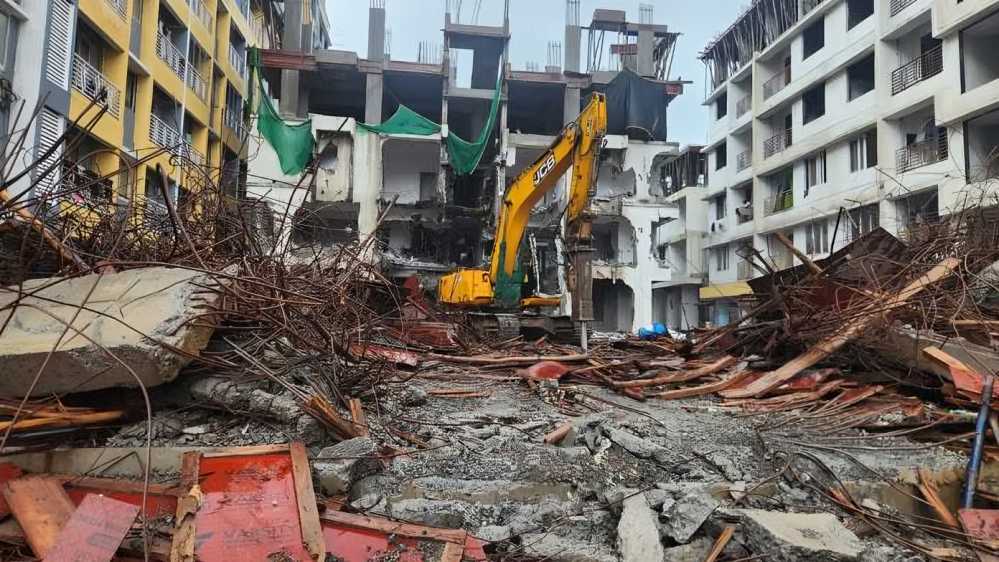

Mumbai is now generating more construction and demolition (C&D) waste than regular municipal garbage every day, prompting the Brihanmumbai Municipal Corporation (BMC) to prepare a comprehensive strategy aimed at improving debris disposal, monitoring, and recycling across the city.
According to civic officials, Mumbai currently produces nearly 8,000 tonnes of construction debris daily—almost 1,000 tonnes higher than the city’s daily solid waste generation. However, unlike the established garbage disposal network, the infrastructure for handling construction debris remains inadequate, resulting in large-scale illegal dumping outside city limits.
To address the issue, the BMC has proposed a digital monitoring system similar to Delhi’s ‘Malba’ portal. Under the proposed mechanism, developers and infrastructure agencies will be required to disclose the quantity of debris generated, along with details of its transportation, treatment, and disposal. The civic body also plans to increase the capacity of existing recycling plants and establish a new processing facility.
The proposal was recently presented before a high-powered committee constituted by the Bombay High Court, which had taken suo motu cognisance of Mumbai’s worsening air pollution.
Speaking to ThePrint, BMC’s Deputy Commissioner for Solid Waste Management, Kiran Dighavkar, said, “As of today, Mumbai generates about 8,000 tonnes of construction and demolition waste per day. This figure, only five years ago, was barely 1,200-1,300 tonnes per day. In comparison, the solid waste the city produces per day is 7,000 tonnes.”
“It’s a very unique urban problem that our construction waste is higher than the waste the city produces, and we don’t have any solution for it as of now.”
Officials attribute the sharp rise in debris generation to the surge in redevelopment projects, infrastructure construction, and housing schemes undertaken by both private developers and government agencies across Mumbai.
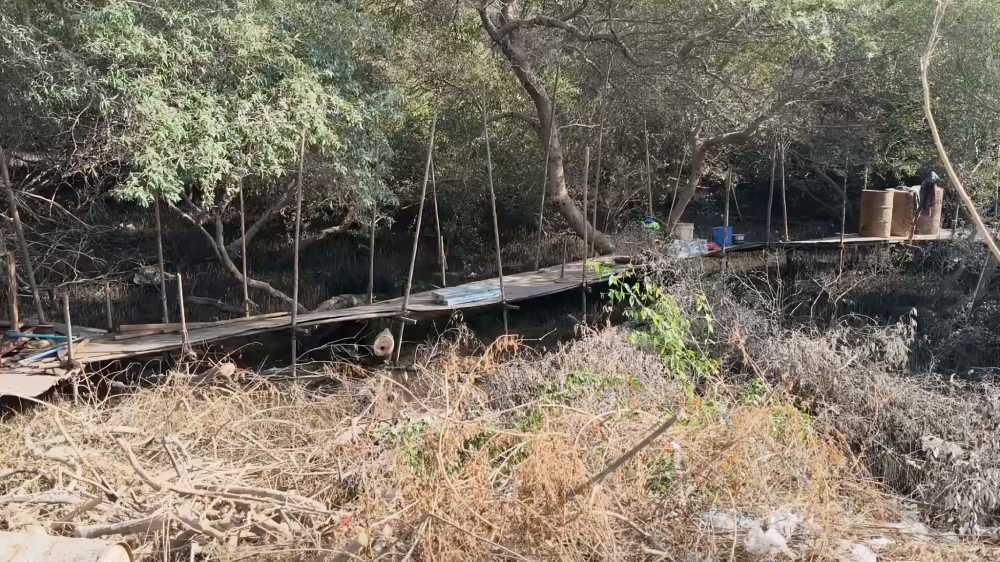
At present, Mumbai has only two authorised C&D waste recycling plants located in Dahisar and Kalyan, each capable of processing around 600 tonnes daily. Civic officials admit that the limited capacity often leads to unscientific disposal practices, including dumping in ecologically sensitive mangrove zones.
“We also have a debris-on-call system, but that’s mostly for small waste generators, home interiors, and so on. But, mostly large generators end up unscientifically disposing of debris, often dumping it outside Mumbai,” an official who did not wish to be named said. “Debris dumping becomes a root cause for the destruction of mangroves. The ecologically sensitive land is being illegally filled, using this debris, leading to encroachments,” the official added.
As part of its action plan, the BMC has proposed mandatory waste segregation, GPS-based tracking for debris transport vehicles, stricter oversight through a unified digital portal, and penalties for violations. The civic body also plans to increase recycling capacity to 1,500 tonnes per day and develop an additional processing facility at Deonar.
“Additionally, we will also encourage private players to set up waste processing plants,” Dighavkar said.
Under the proposed enforcement system, violations such as illegal dumping, route deviations, or absence of tracking systems could attract fines of Rs 25,000 per vehicle, along with stop-work notices, suspension of permissions, or encashment of bank guarantees.
Source: The Print