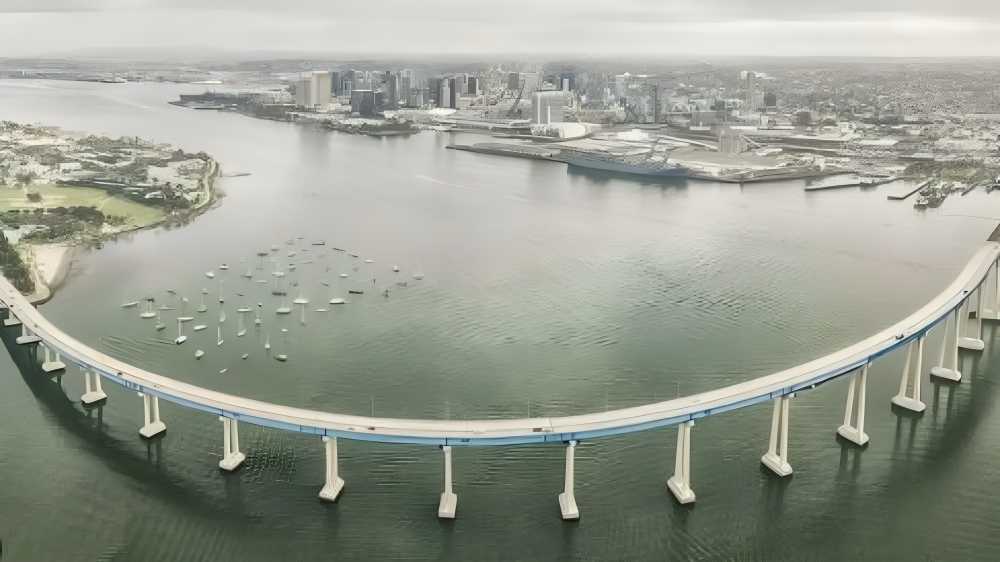

Construction of the proposed Versova-Bandra Sea Link has entered a crucial new phase, with authorities beginning marine installation work for the project’s pre-cast bridge segments in the Arabian Sea. The development marks a significant transition from foundation-related engineering work to the construction of the main superstructure of the coastal corridor.
The 17-kilometre sea link, planned to connect Versova with Bandra Reclamation, is currently estimated to be around one-third complete after years of phased construction activity. The corridor forms a key part of Mumbai’s expanding western coastal transport network aimed at improving uninterrupted north-south connectivity across the city’s western suburbs.
Once operational and integrated with other coastal road projects, the sea link is expected to significantly change commuting patterns between South Mumbai and the rapidly growing northern suburban belt. Urban planners believe the project could help reduce pressure on heavily congested arterial roads while improving travel efficiency across western Mumbai.
Officials associated with the project said the construction is relying heavily on large-scale pre-cast concrete technology, under which bridge segments are manufactured off-site and later transported for assembly at sea. Infrastructure experts note that this method can shorten on-site construction timelines, improve engineering precision and reduce prolonged disturbance in environmentally sensitive coastal areas.
The corridor will include cable-stayed sections along with multiple connectors serving major residential and commercial zones such as Bandra, Juhu, Carter Road and Versova.
However, the project has also drawn attention over rising construction costs and environmental concerns. Design revisions, updated approvals and compliance-related modifications have reportedly increased overall project expenditure compared to earlier estimates.
Environmental experts continue to monitor the sea link due to its proximity to fragile marine ecosystems and coastal regulation zones. Concerns have also been raised regarding shoreline resilience, tidal flow disruption and climate vulnerability as Mumbai faces increasing risks from extreme rainfall and sea-level fluctuations.
Urban mobility analysts maintain that while large road infrastructure projects can improve traffic flow, long-term transport planning must also prioritise stronger public transport integration, pedestrian access and environmentally sustainable urban development.
Source: Urban Acres