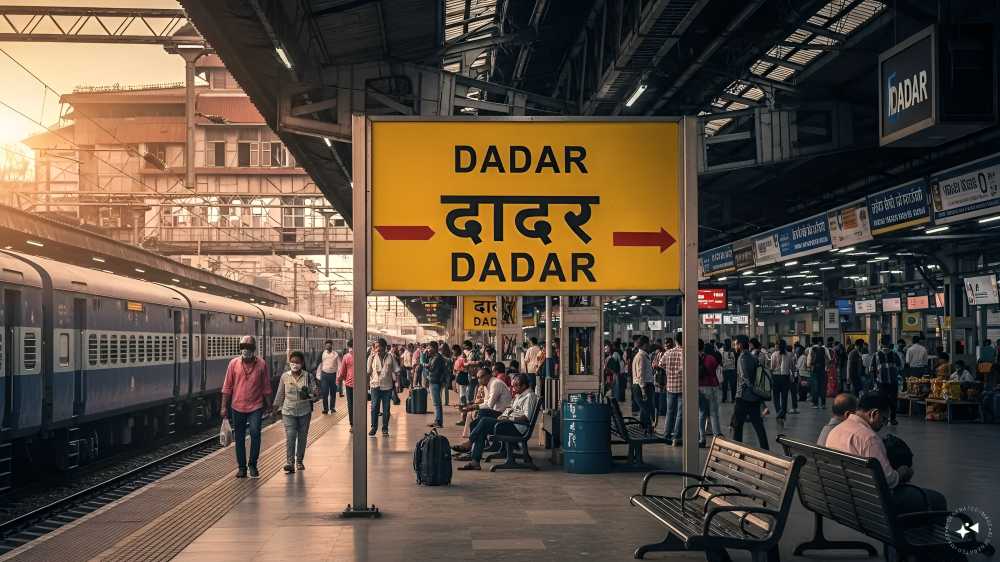

Mumbai’s suburban railway network has moved further towards digital modernisation with the introduction of a new electronic signalling system at Dadar Railway Station on the Western Railway corridor. The upgraded system replaces signalling infrastructure that had been in operation for over 30 years and is expected to enhance train movement efficiency, operational reliability and commuter safety at one of the city’s busiest railway junctions.
Dadar station serves as a major interchange point within Mumbai’s suburban rail network, connecting densely populated residential areas with key commercial and employment centres across the metropolitan region. With millions of passengers depending on suburban trains every day, transport experts say the adoption of modern digital systems has become increasingly important for maintaining efficient urban mobility.
The newly installed electronic interlocking system automates several signal and track operations that were previously managed through older relay-based technology. Railway engineers say such systems reduce manual intervention, minimise operational errors and improve response time during disruptions. They also help support higher train frequency and smoother traffic management during peak commuting hours.
Urban mobility planners note that signalling modernisation often receives less public attention compared to large infrastructure projects such as metro lines or flyovers, despite being critical to improving the resilience and efficiency of railway operations. In Mumbai, where suburban rail remains the backbone of affordable public transport, digital signalling systems are increasingly being viewed as essential long-term infrastructure investments.
The upgrade also reflects the mounting pressure on legacy transport infrastructure originally designed for significantly lower passenger volumes. Mumbai’s suburban rail system now handles some of the highest commuter densities in the world, creating challenges linked to delays, overcrowding and maintenance.
Officials involved in the project said the installation required careful coordination to avoid major service disruptions on the busy corridor. The transition to the electronic system was reportedly carried out during tightly scheduled operational blocks.
Transport analysts believe such upgrades can improve timetable accuracy, reduce bottlenecks and strengthen sustainable urban mobility by encouraging greater reliance on public transport over private vehicles, which contribute to traffic congestion and emissions across the city.
Source: Urban Acres