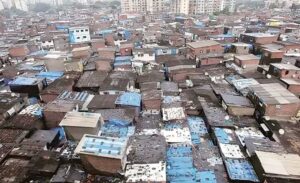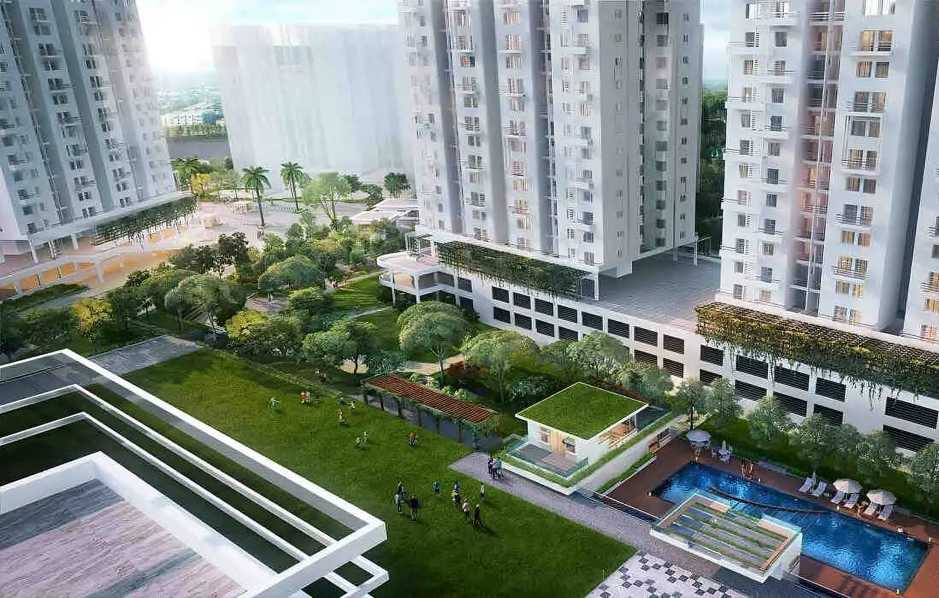

The large-scale BDD redevelopment project in Worli has entered a crucial stage of construction, as thousands of old colonial-era tenements are gradually being replaced by modern high-rise residential towers. The redevelopment reflects Mumbai’s continuing shift towards vertical urban renewal in land-scarce central neighbourhoods.
Being carried out under the state housing authority’s redevelopment programme, the project aims to transform ageing low-rise chawls into modern residential complexes with upgraded infrastructure and improved living conditions. Urban planning experts consider the initiative one of India’s largest public housing redevelopment projects due to its scale, density and social impact.
Planned across multiple phases, the redevelopment is expected to deliver nearly 9,000 housing units through 33 residential towers rising up to 40 storeys. The project seeks to address longstanding concerns related to overcrowding, deteriorating structures and poor sanitation in the historic BDD chawls that were originally constructed during the early twentieth century.
Housing policy analysts say the BDD Redevelopment Project has become an important example of how Indian cities are attempting to modernise ageing worker housing while retaining existing communities within centrally located urban areas. Experts note that redevelopment within established neighbourhoods helps reduce displacement pressures commonly associated with relocation projects on the city’s outskirts.
Construction work currently underway includes the use of modern building technologies and large-scale aluminium window and façade systems aimed at improving ventilation, durability and energy efficiency in high-density residential towers. Sustainable housing specialists believe such design measures are increasingly necessary in Mumbai’s humid coastal climate.
However, urban development experts have also raised concerns over growing pressure on roads, drainage systems, transport infrastructure and public spaces in Worli and surrounding areas due to rapid vertical growth and rising real estate activity.
Planners argue that successful redevelopment must go beyond replacing old housing stock and should include parallel investments in schools, healthcare facilities, transport connectivity and civic amenities capable of supporting denser populations.
Observers say the long-term success of the Worli redevelopment will depend not only on the number of homes delivered, but also on whether it can create safer, climate-resilient and socially inclusive urban communities in one of the world’s most densely populated cities.
Source: Urban Acres