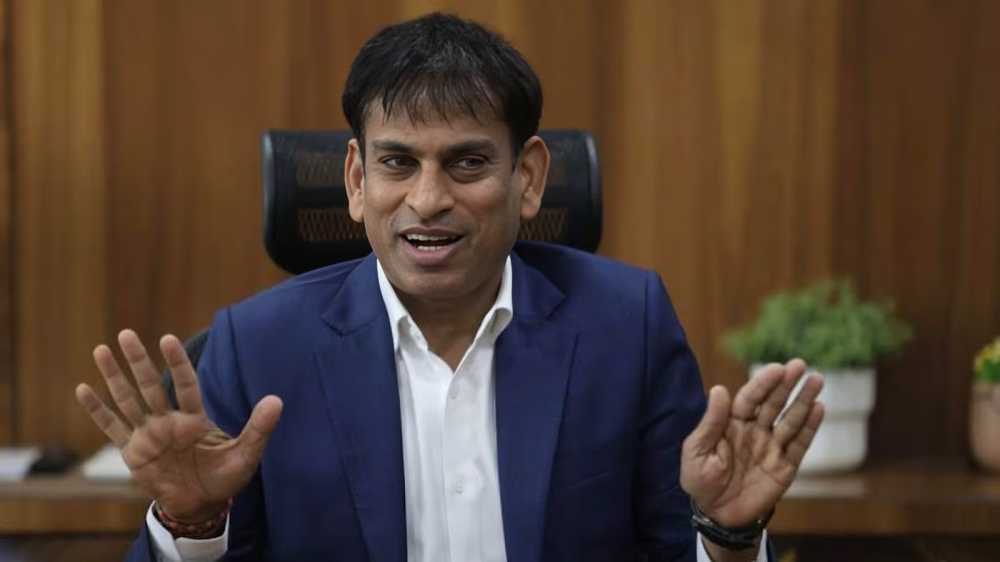

Navi Mumbai is entering a crucial phase of infrastructure-led expansion, with several large-scale connectivity, urban development and economic growth projects progressing simultaneously under the City and Industrial Development Corporation (CIDCO). In an interview, CIDCO Vice Chairman and Managing Director Vijay Singhal shared updates on key initiatives, including Metro Line 8, the Navi Mumbai International Airport (NMIA), NAINA and specialised growth hubs planned across the region.
Providing an update on Metro Line 8, which will connect Chhatrapati Shivaji Maharaj International Airport with NMIA, Singhal said the 32-km corridor, including a 9.5-km underground section, has already received state government approval. A peer review of the Detailed Project Report is underway, and once completed, the proposal will move forward for viability gap funding before tendering begins.
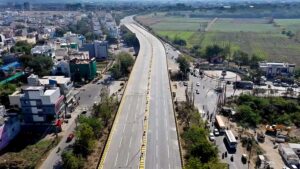
Singhal also highlighted progress on the proposed ₹6,300-crore Thane-NMIA Elevated Corridor. The 24-km project has received cabinet approval, and final clearances are expected shortly, allowing the tendering process to commence. The corridor will be developed under the Public-Private Partnership model and will be toll-operated.
On airport connectivity, Singhal said CIDCO’s Ulwe Coastal Road project will significantly improve access from South Mumbai to NMIA. “Once operational, travel time from Atal Setu to the airport will be less than five minutes.”
He added that around 80% of the coastal road work has been completed, with project completion now expected by November. Additional road links from Kalamboli, Panvel and the Mumbai-Pune corridor are also progressing and will strengthen access to the upcoming airport.
Discussing the Navi Mumbai Airport Influence Notified Area (NAINA), Singhal said development activity has accelerated across the 22,500-hectare planning zone. The first phase includes nearly 200 km of roads worth approximately ₹8,000 crore, supported by underground utility infrastructure and a plug-and-play urban planning model.
CIDCO is simultaneously advancing specialised districts such as Educity, Medicity, an Integrated Logistics Park and an Entertainment Arena. According to Singhal, six universities have already secured Letters of Intent under Educity, while Medicity is envisioned as a comprehensive healthcare and biotechnology hub.
The proposed Entertainment Arena within Aerocity is expected to accommodate up to 25,000 people and is being planned on the lines of globally recognised venues such as London’s O2 Arena and New York’s Madison Square Garden.
With airport infrastructure, metro connectivity, urban townships and economic hubs moving ahead in parallel, CIDCO’s development roadmap aims to position Navi Mumbai as one of India’s most significant next-generation urban centres.
Source: The Indian Express