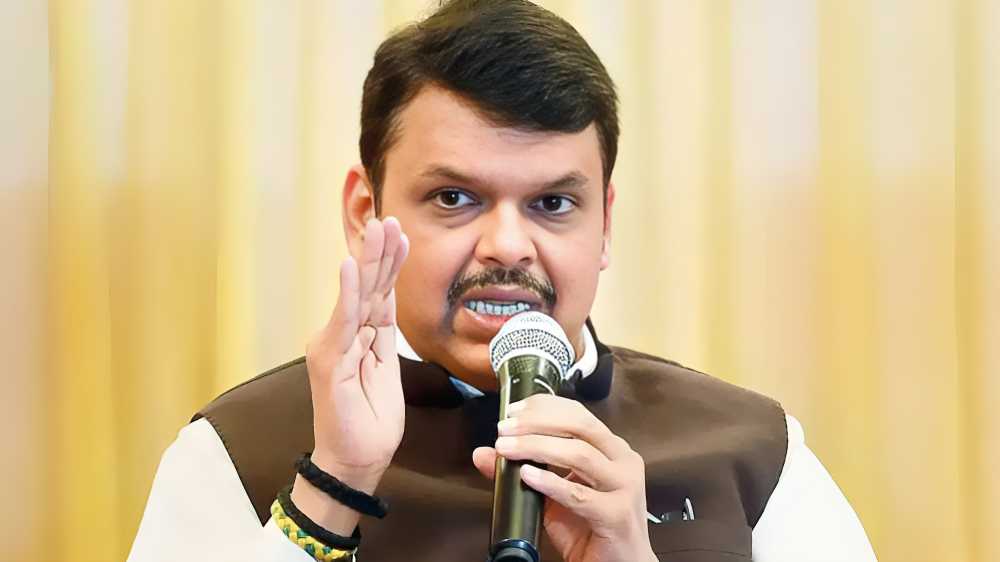

The Maharashtra Cabinet, led by Chief Minister Devendra Fadnavis, on Tuesday cleared a series of significant proposals aimed at strengthening rural infrastructure, improving transportation networks, expanding higher education institutions, and enhancing the functioning of welfare-focused development corporations.
A major highlight of the meeting was the approval of Rs 6,429 crore for Phase III of the Mukhyamantri Gram Sadak Yojana, which seeks to improve rural connectivity across Maharashtra. Supported by funding from the Asian Infrastructure Investment Bank (AIIB), the initiative will facilitate the construction and upgrading of nearly 3,500 km of rural roads and bridges.
Under the financing arrangement, AIIB will extend a loan of approximately USD 500 million (around Rs 4,500 crore), while the state government will contribute USD 215 million (about Rs 1,929 crore), representing 30% of the project cost. The loan will be repaid over 25 years, including a five-year moratorium period. In addition, Maharashtra will independently fund improvements to another 2,500 km of rural and district roads.
The Cabinet also approved the Maharashtra Road Improvement Project, a large-scale road modernisation programme supported by AIIB and the New Development Bank (NDB). Both institutions will provide funding of USD 1 billion each across two phases. The project will focus on upgrading key economic corridors with heavy traffic volumes and significant commercial vehicle movement. Around 1,500 km of roads are expected to be improved during the first phase through EPC-based contracts.
In the education sector, the government approved the inclusion of five prominent Mumbai-based colleges under the Hyderabad (Sind) National Collegiate Group University, strengthening its integrated academic framework.
Additionally, staffing structures were sanctioned for three community-focused economic development corporations. The decision is expected to improve administrative efficiency and enhance the delivery of welfare schemes, with the organisations also being allowed to function as Section 8 companies under the Companies Act, 2013.
Source: Mid-day