
The Mumbai Metropolitan Region Development Authority (MMRDA) is steadily advancing a series of transport infrastructure initiatives aimed at improving regional connectivity, easing congestion, and integrating multiple public transport systems across the Mumbai Metropolitan Region.
One of the flagship systems under its network is the Mumbai Monorail, India’s first such urban transit project, originally designed as a feeder link to the city’s broader mass transport ecosystem. Spanning about 20 km, the line connects Chembur to Sant Gadge Maharaj Chowk via Wadala, serving densely populated zones with limited road infrastructure. The project was executed in two phases, with operations between Wadala and Chembur beginning in 2014, followed by the full corridor becoming operational in 2019. In December 2023, operational responsibility was handed over to Maha Mumbai Metro Operation Corporation Limited (MMMOCL), marking a shift in its management structure.
Another major undertaking is Metro Line 2B, a 23.643-km elevated corridor running between D N Nagar and Mandale with 20 stations. The line is expected to significantly enhance east-west connectivity in Mumbai by enabling seamless interchange with Metro Lines 1, 2A, 3 and 4, along with connections to the Monorail, Central and Western Railway networks, and key highway routes. A dedicated depot is also under construction at Mandale, which will support operations once the line becomes functional, reducing travel time and improving access to key residential, commercial, and institutional hubs.
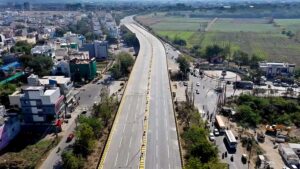
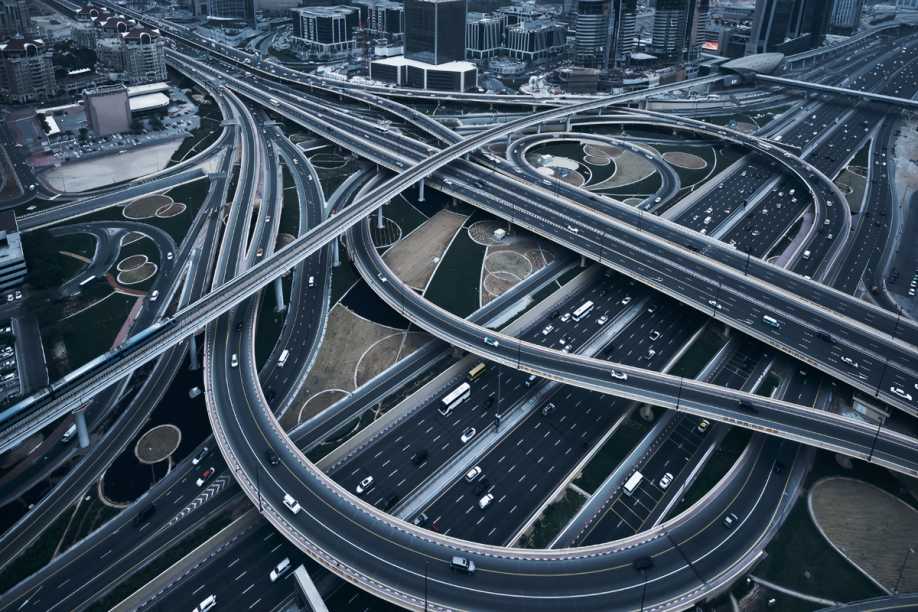
On the road infrastructure front, the Santacruz-Chembur Link Road (SCLR) continues to serve as a vital east-west artery, linking the Eastern and Western Express Highways. Ongoing upgrades along the corridor aim to further reduce congestion and improve connectivity to major business and transit hubs such as Bandra-Kurla Complex and Mumbai Airport.
In the northern suburbs, the Golden Nest Flyover in Mira-Bhayandar is being developed to address rising traffic pressure driven by rapid urban expansion. Once completed, it is expected to streamline vehicular movement and reduce bottlenecks across this high-density corridor.
Collectively, these initiatives underline MMRDA’s sustained focus on building a more connected, efficient, and scalable urban mobility network for the region’s growing population and economic activity.
Source: Prop News Time