
The Maharashtra government has cleared the appointment of Singapore-based Surbana Jurong Infrastructure Pvt Ltd to prepare the master plan for the first phase of the proposed Third Mumbai project, a large-scale urban development initiative planned in the influence zone of the upcoming Navi Mumbai International Airport and the Atal Setu.
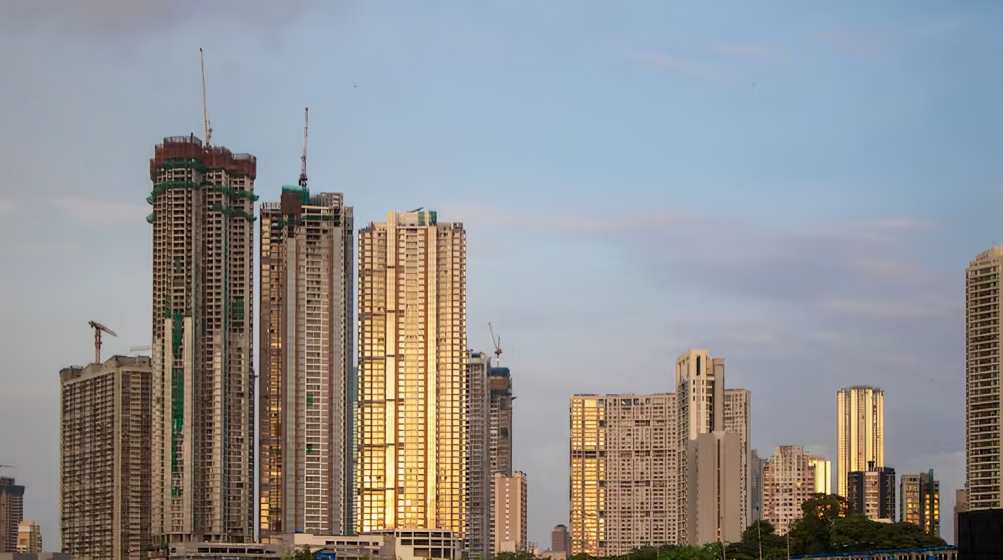
Spread across approximately 324 square kilometres, the proposed city is expected to emerge as a major growth centre in the Mumbai Metropolitan Region (MMR). The project aims to transform 124 villages in Raigad district into a planned urban hub supported by new transport, logistics and social infrastructure.
While land acquisition activities are currently underway, the state government has moved ahead with the planning stage by approving the engagement of Surbana Jurong as a consultant on a government-to-government basis.
The development follows a memorandum of understanding (MoU) signed in January during the World Economic Forum meeting in Davos between the Mumbai Metropolitan Region Development Authority (MMRDA) and the Singapore-based infrastructure planning company. The agreement covered the preparation of master plans for multiple development centres across the MMR, including the ambitious Third Mumbai project, also referred to as Mumbai 3.0.
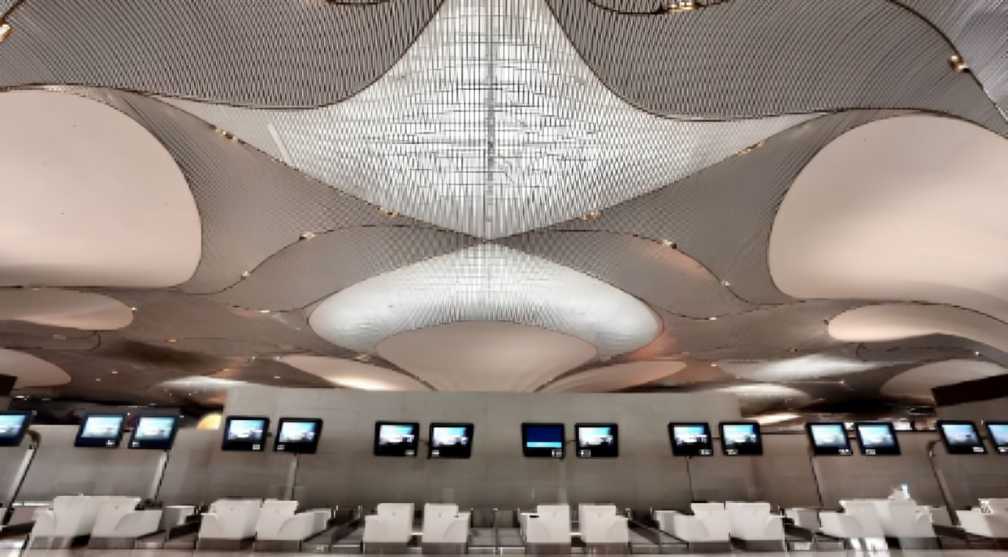
Officials believe the project will play a key role in accommodating future population growth, economic activity and infrastructure expansion beyond the existing urban limits of Mumbai and Navi Mumbai. Its strategic location near major connectivity projects such as the Navi Mumbai International Airport, Atal Setu and other planned transportation corridors is expected to enhance its long-term development potential.
The master plan will outline land use patterns, transportation networks, housing, commercial districts, industrial zones and public infrastructure required for the city’s phased development.
The approval marks an important step in the state’s efforts to create a new urban growth corridor in the Mumbai Metropolitan Region and support balanced regional development through integrated planning and infrastructure-led expansion.
Source: The Indian Express