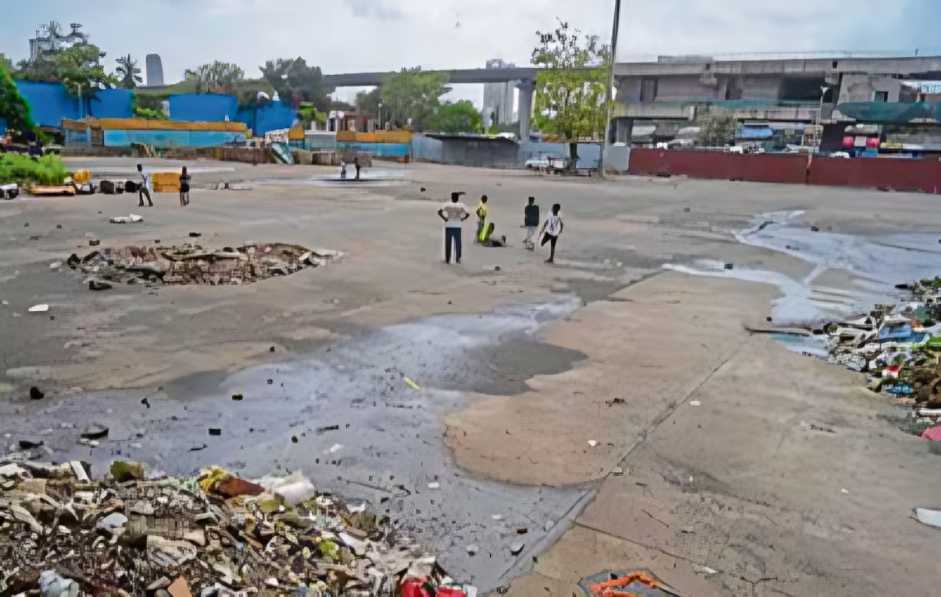

In an effort to reduce traffic congestion across Mumbai, Maharashtra Chief Minister Devendra Fadnavis has directed the Brihanmumbai Municipal Corporation (BMC) to redevelop the city’s five defunct octroi checkposts into integrated transport hubs for intercity and long-distance buses.
The proposed facilities will be developed at Dahisar, Mulund (Eastern Express Highway), Mulund (LBS Marg), Airoli on the Mumbai–Navi Mumbai border and Mankhurd. Before the implementation of the Goods and Services Tax (GST) in 2017, these locations functioned as octroi collection points for commercial vehicles entering Mumbai. Following the introduction of GST, the sites have remained largely unused.
The redevelopment proposal aims to transform these land parcels into modern transport terminals equipped with passenger amenities and dedicated parking facilities. The objective is to prevent long-distance private buses from entering the city’s core areas and contributing to traffic bottlenecks.
Speaking at a review meeting, Fadnavis said, “If passengers board and alight at these locations, private buses may no longer need to travel into Central Mumbai, thereby helping to ease traffic congestion within the city.”
The proposal was discussed during a presentation on the modernisation of Mumbai’s public transport infrastructure. BMC Commissioner Ashwini Bhide presented an overview of the initiative, while BEST General Manager Sonia Sethi outlined redevelopment plans for BEST properties and depots.
Currently, buses arriving from other parts of Maharashtra and the country often travel through densely populated areas such as Dadar, Sion and Chunabhatti, leading to congestion on major roads and flyovers. Under the new plan, these buses would terminate at the redeveloped transport hubs instead of entering central Mumbai.
According to officials, the hubs will feature ticket booking counters, waiting areas, parking facilities and seamless connectivity with metro services and other modes of transport. In addition, commercial and recreational facilities such as shopping centres, restaurants, hotels, banquet halls and auditoriums may also be developed, creating integrated mobility and commercial destinations at Mumbai’s entry points.
Source: Hindustan Times