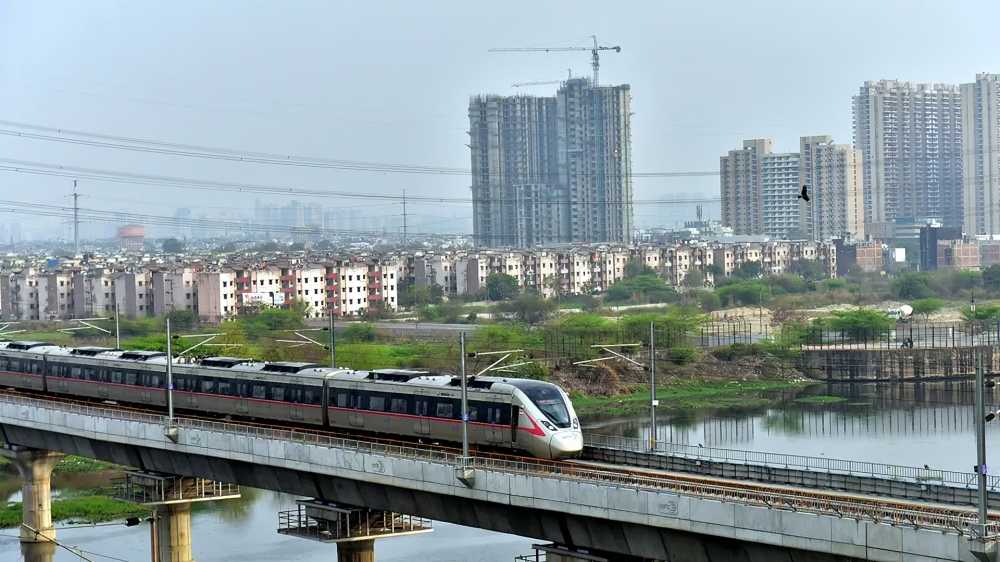

The long-awaited Panvel–Karjat suburban rail corridor has moved into its final phase, with the Mumbai Railway Vikas Corporation (MRVC) reporting that nearly 98% of the project has been completed. Being developed under the Mumbai Urban Transport Project (MUTP)-III, the 29.6-km double-line railway corridor is being built at an estimated cost of Rs 2,782 crore and is expected to strengthen rail connectivity between Navi Mumbai and Karjat while reducing dependence on the heavily used Kalyan junction route.
According to MRVC, all land required for the project has been acquired and the necessary statutory approvals, including forest clearances, have been secured. Most of the major civil engineering works have also been completed.
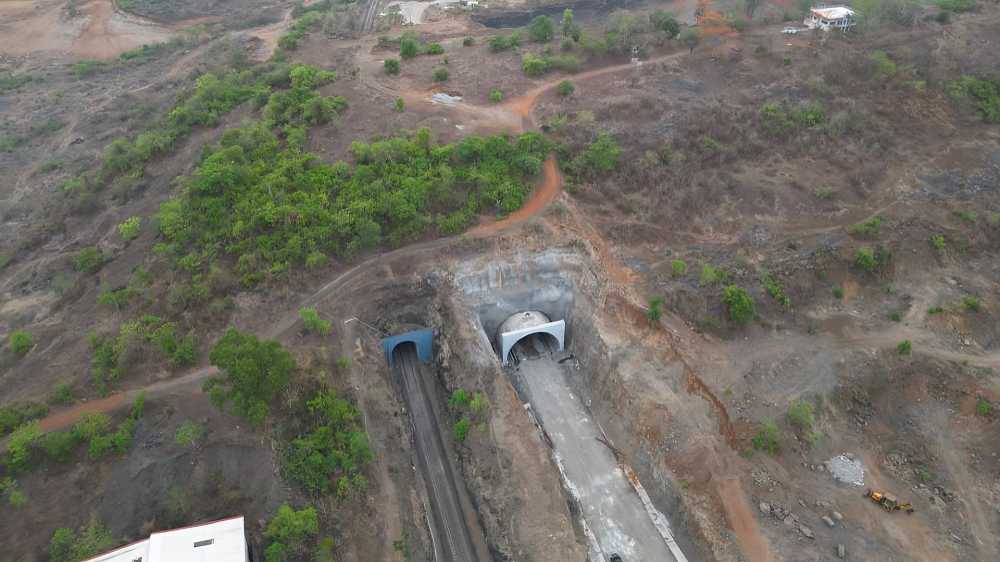
The project includes nine major bridges, 35 minor bridges, 16 road underbridges, five road overbridges, three tunnels and the Karjat Rail Flyover, all of which have been completed. Work on the Panvel Rail Flyover is currently in its final stages. Meanwhile, the road overbridges at Mohape and Kirawali have already been opened for public use.
Station infrastructure is progressing rapidly across the corridor. Buildings at Panvel, Chikhale and Mohape stations have been completed and handed over for the installation of railway systems. Construction work at Chowk and Karjat stations is also advancing, with platforms, staircases, lifts and passenger amenities nearing completion.
Track-linking activities are almost finished, while signalling and telecommunication systems are at an advanced stage. Factory Acceptance Tests for electronic interlocking systems at Mohope and Chowk stations have already been completed.
Once operational, the corridor will provide a dedicated suburban rail link between Panvel and Karjat, offering commuters an alternative route to the saturated Kalyan corridor. Railway officials believe the project will improve travel efficiency, enhance network flexibility and support the growth of emerging residential, commercial and industrial hubs across Navi Mumbai, Karjat and nearby regions.
Source: The Free Press Journal