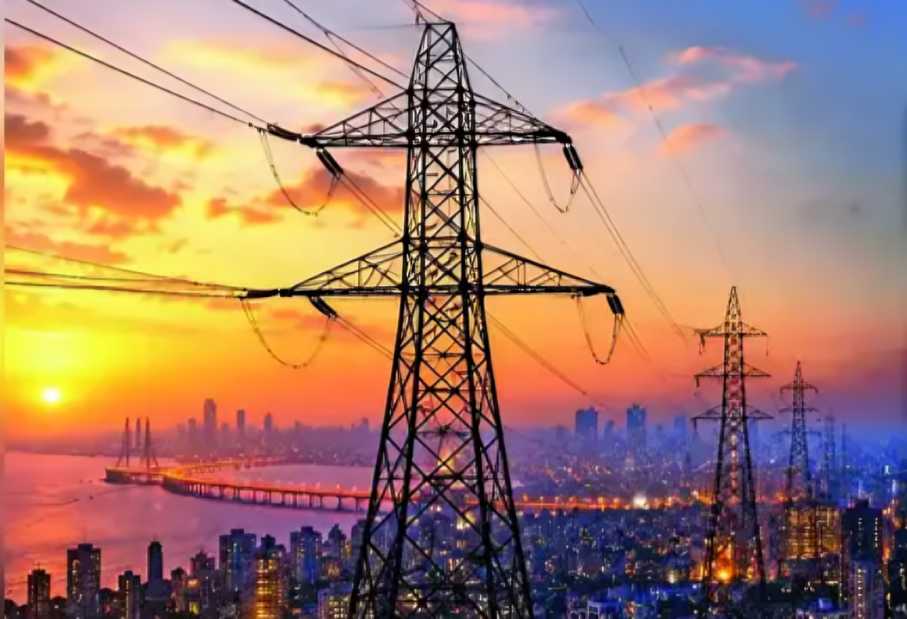

Maharashtra’s long-standing electricity consumption pattern—marked by high daytime demand and a significant late-night drop—is steadily fading, as rising temperatures and widespread air-conditioner usage reshape the state’s power profile and place continuous strain on the transmission network.
Officials from the Energy Department note that electricity demand, once cyclical and predictable, now remains elevated throughout the day and night. The rapid adoption of cooling appliances across residential and commercial spaces, combined with prolonged heatwaves, has ensured that consumption no longer dips meaningfully after evening hours.
A senior official explained the structural change in demand, saying, “The concern is not just the rise in demand but the fact that demand is no longer falling during the night. The grid is now under sustained pressure for much longer periods than before.”
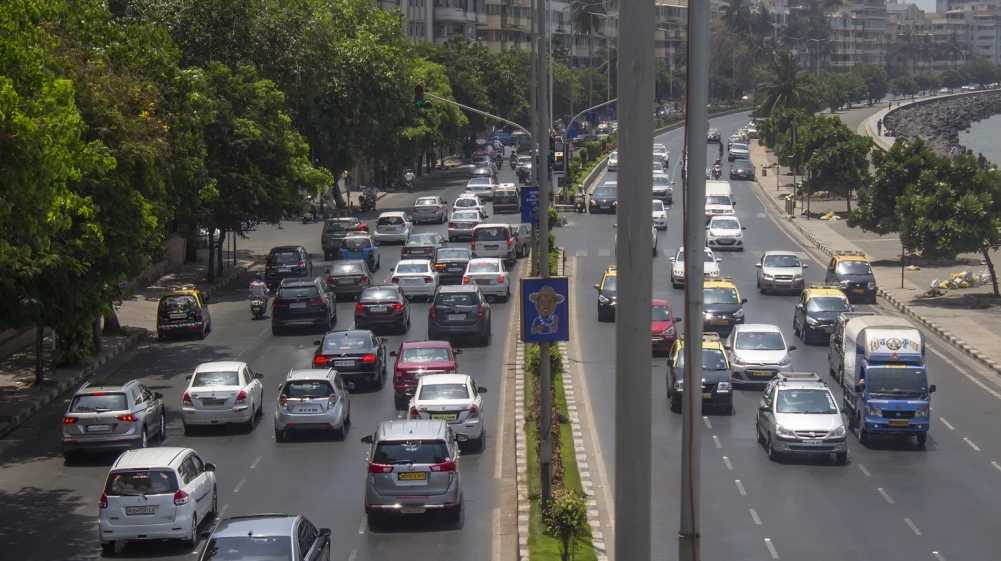
The impact is most visible in urban centres such as Mumbai, Navi Mumbai, Pune and Nashik, where both population growth and rising cooling needs are driving continuous load on the grid. Maharashtra’s peak demand has climbed from around 24,000 MW three years ago to nearly 32,000 MW currently, with projections indicating it could reach 44,000 MW by 2030. Mumbai alone recently recorded peak consumption of about 4,440 MW, compared with roughly 3,800 MW three years earlier.
Officials also highlighted growing stress on ageing transmission infrastructure, particularly corridors over 15 years old, many of which are now operating close to capacity and are increasingly vulnerable to faults during sustained high-load periods.
The consequences of this strain are already visible, with parts of Mumbai and Navi Mumbai reporting frequent power interruptions. Areas such as Kamothe, Kalamboli, Ulwe, Airoli, Worli Gaon, Wadala, Dadar, Ghatkopar East and Girgaon have experienced repeated outages. Authorities clarified that these disruptions are largely driven by overload conditions rather than transformer failures, with excess load triggering tripping and cable faults across multiple points in the network.
In response, the state government has held review meetings with distribution utilities, including the Maharashtra State Electricity Distribution Company Ltd (MSEDCL), to address emerging challenges.
Looking ahead, attention is turning to rapidly expanding demand centres such as Navi Mumbai, which is evolving into a major data-centre hub. A 10-km corridor between Juinagar and Airoli alone has attracted large-scale projects requiring around 2,000 MW, with future demand expected to rise significantly.
To strengthen capacity, Maharashtra has initiated transmission projects worth nearly Rs 21,000 crore under tariff-based competitive bidding, with 24 projects already awarded, prioritising overloaded corridors.
Officials emphasised that generation capacity and fuel supply remain adequate, supplemented by an additional 2,000 MW backup through Mumbai Urja Marg Limited (MUML). The pressing challenge, they said, lies in upgrading transmission systems fast enough to match a demand curve that no longer eases after sunset, even as monsoon-related risks add further pressure on the grid.
Source: Mumbai Mirror