
Mumbai’s residential market may be setting new benchmarks, with luxury apartments in neighbourhoods such as Worli and Malabar Hill fetching close to Rs 3 lakh per sq ft, but even residents of these premium developments are not immune to the city’s recurring infrastructure challenges. For nearly a month, Mumbaikars across income segments have been dealing with a 10% water supply cut imposed by the Brihanmumbai Municipal Corporation (BMC), highlighting the growing disconnect between real estate growth and civic infrastructure capacity.
Industry observers note that while the city’s housing sector has expanded rapidly, investments in water infrastructure have not kept pace with rising population levels and increasing consumption.
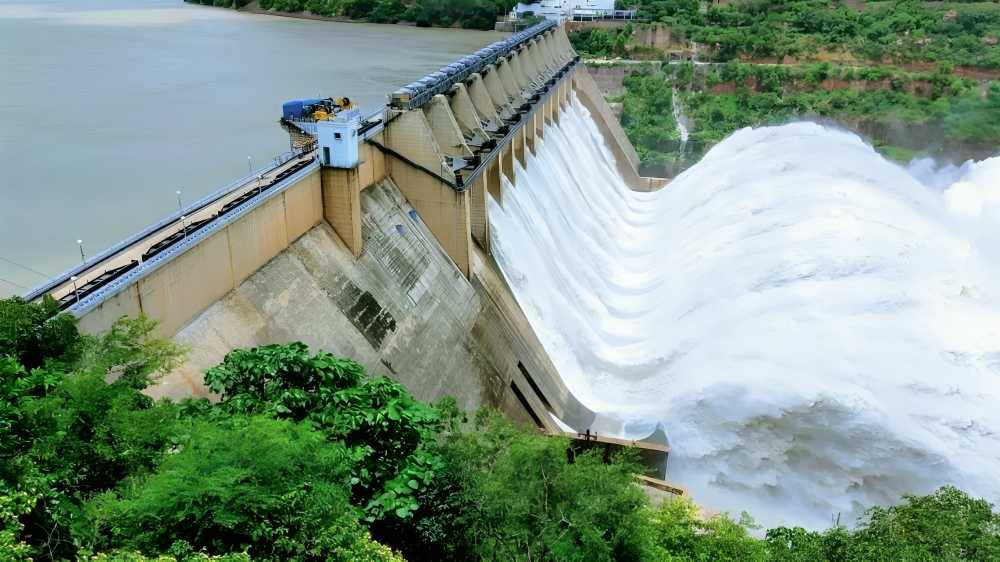
Mumbai relies on seven reservoirs located outside the city—Bhatsa, Upper Vaitarna, Middle Vaitarna, Modak Sagar, Tansa, Vihar and Tulsi—for its drinking water supply. These lakes collectively provide around 3,800 million litres of water per day (MLD) to a population exceeding 12 million.
However, the city’s daily water requirement is estimated at over 4,200 MLD, leaving a significant shortfall that is often bridged through public and private water tanker networks.
The current water restriction was introduced on May 15, 2026, after reservoir levels declined sharply ahead of the monsoon season. According to civic officials, the combined storage across Mumbai’s lakes is currently around 13% of total capacity, with available reserves expected to last only 45 to 50 days.
Real estate experts point out that premium property prices have little bearing on water availability. While luxury housing projects feature amenities such as swimming pools, landscaped gardens, clubhouses and wellness facilities, their primary water source remains municipal supply.
“Initiatives like rainwater harvesting and recycling of water through a sewage treatment plant (STP) in bigger housing societies ensure that non-potable water is recycled and can be reused. While these measures help reduce dependence on municipal supply, they are not sufficient to completely offset citywide shortages,” said Divyesh Trivedi, a real estate consultant from Central Mumbai.
To strengthen long-term water security, the BMC is advancing several large-scale projects. These include a desalination plant at Manori being developed by Israeli firm IDE Technologies, which will initially produce 200 MLD of potable water, with expansion potential to 400 MLD.
The civic body is also pursuing the Gargai and Pinjal dam projects, expected to add approximately 440 MLD and 865 MLD respectively, as part of Mumbai’s strategy to meet future water demand and reduce pressure on existing reservoirs.
Source: Hindustan Times