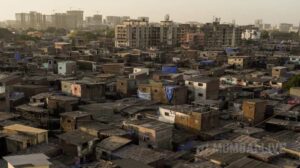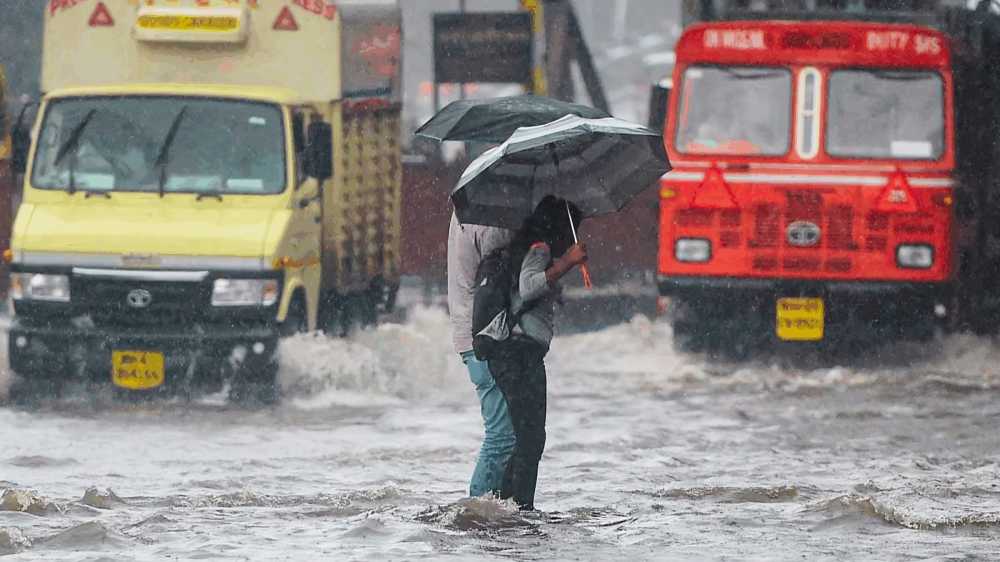

As the monsoon season approaches, civic bodies across Mumbai and the wider Mumbai Metropolitan Region (MMR) are stepping up efforts to curb recurring waterlogging and flooding. While Mumbai continues to grapple with intense rainfall-related disruptions each year, neighbouring cities including Thane, Navi Mumbai, Kalyan-Dombivli, Mira-Bhayandar and Vasai-Virar are also strengthening their preparedness as rapid urbanisation strains drainage systems.
This year’s focus goes beyond routine desilting, with municipalities increasingly adopting technology-driven monitoring, expanded pumping networks, flood-risk mapping and tighter inter-agency coordination.
Mumbai: Tech Integration and Pumping Network Expansion
The Brihanmumbai Municipal Corporation (BMC) has flagged around 500 waterlogging-prone spots for the 2026 monsoon. To manage flooding in vulnerable zones, it has deployed 547 portable dewatering pumps across the city, supplementing existing major and minor pumping stations.
A key upgrade this year is an IoT-enabled monitoring system that tracks pump performance, location and usage in real time through a central dashboard, enabling quicker response during heavy rainfall.
Alongside this, desilting of drains and continued work on the Mithi River have been prioritised. Mumbai’s 43 pumping stations have already been activated and emergency response systems placed on standby.
Thane: Focus on Drain Efficiency
The Thane Municipal Corporation (TMC) has intensified drain cleaning and inspections across flood-prone areas. Officials are concentrating on low-lying zones, underpasses and rapidly urbanising pockets where water accumulation has been frequent in recent years.
Navi Mumbai: Strengthening Planned Infrastructure
The Navi Mumbai Municipal Corporation (NMMC) has completed large-scale cleaning of stormwater drains and nullahs. While the city’s planned layout offers some resilience, officials are strengthening systems in areas facing localised flooding. Control rooms, field teams and pumps have been kept ready for emergencies.
Kalyan-Dombivli: Tackling Persistent Flood Zones
The Kalyan-Dombivli Municipal Corporation (KDMC) is prioritising desilting and restoration of natural drainage channels. Several parts of the region remain vulnerable due to rapid expansion and limited drainage capacity. Coordination with railways and state agencies is ongoing for flood-sensitive transport corridors.
Mira-Bhayandar: Drainage Upgrades in Growth Areas
MBMC has accelerated pre-monsoon cleaning and identified high-risk waterlogging zones. Focus is on improving drainage in fast-growing residential belts where runoff levels have increased significantly. Emergency teams and equipment have been deployed.
Vasai-Virar: Large-Scale Preparedness Drive
VVCMC is addressing challenges linked to its vast jurisdiction and rapid urban growth. Drain and channel cleaning has been intensified across Vasai, Nalasopara and Virar, with disaster response teams on alert and pumping systems ready for deployment.
Regional Coordination Strengthens Response
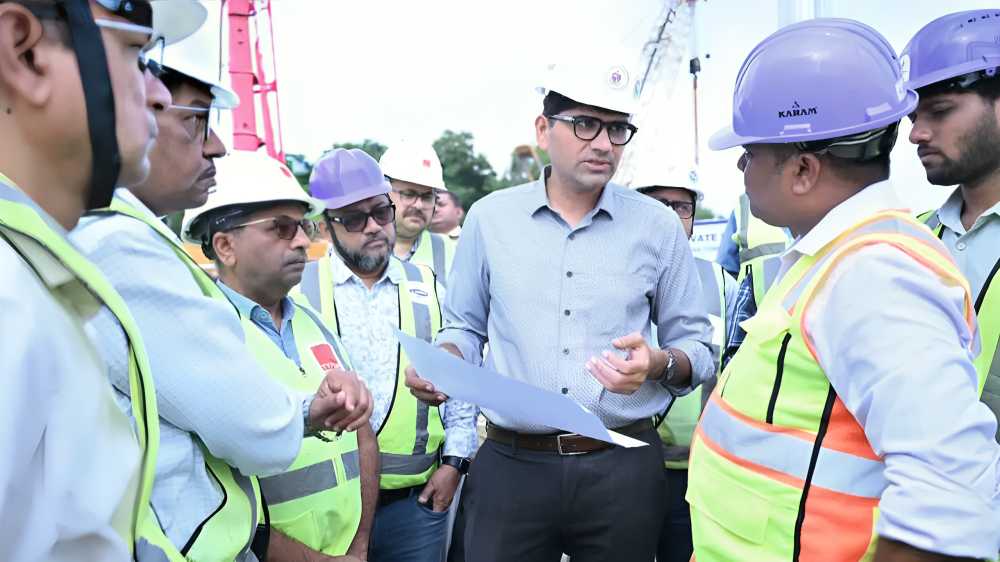
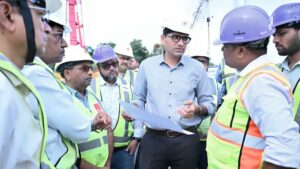
At the MMR level, the MMRDA has activated its monsoon preparedness plan for metro construction zones and established a 24×7 disaster control mechanism. High-risk construction work will be paused during severe weather alerts.
Across the region, civic bodies are increasingly combining traditional flood-control measures with digital monitoring and coordinated response systems, as extreme rainfall events continue to test urban infrastructure resilience.
Source: Prop News Time