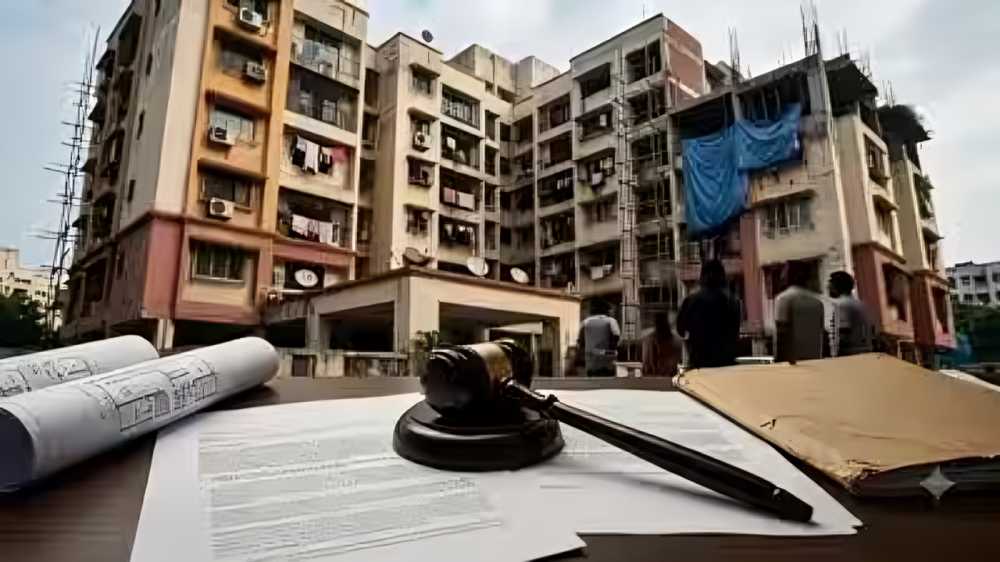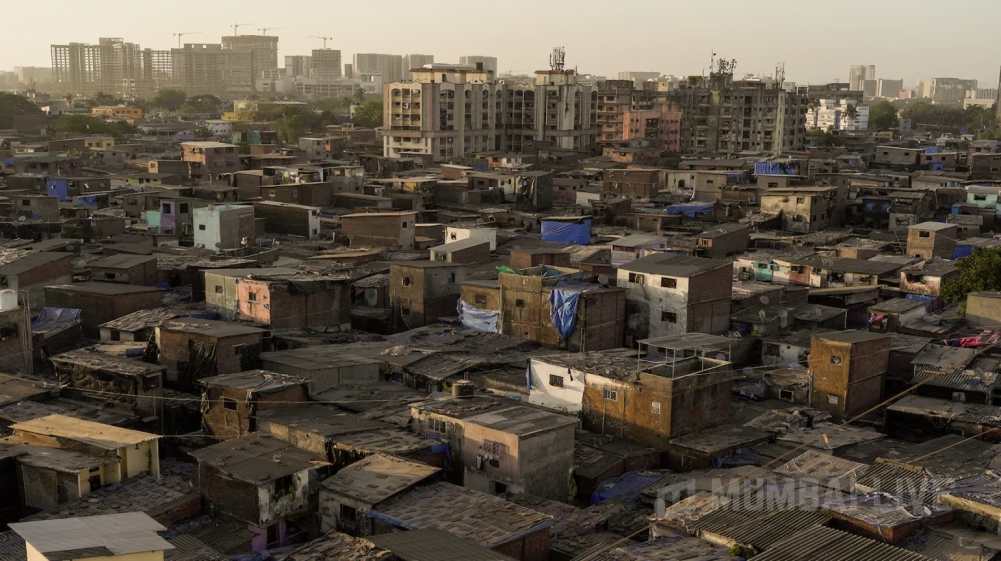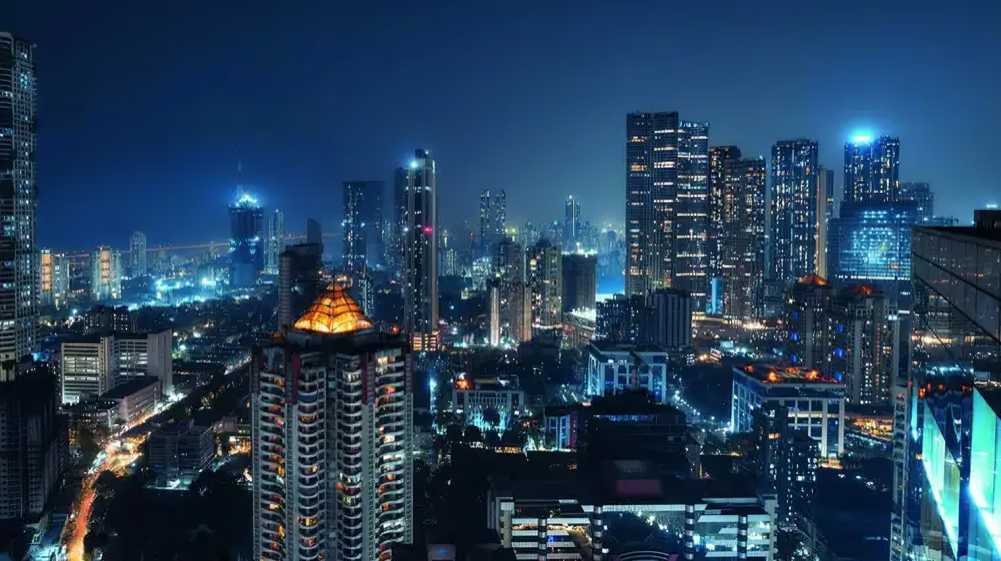

Mumbai’s next phase of urban expansion, popularly branded as “Mumbai 3.0” or the Karnala-Sai-Chirner (KSC) New Town, is being projected as a transformative development for the Mumbai Metropolitan Region (MMR). However, critics argue that such mega urban projects are increasingly being designed to attract investment and real estate activity rather than address the everyday needs of residents.
The proposed city follows the evolution of Mumbai’s earlier growth phases. While the original city emerged as an industrial and commercial hub and Navi Mumbai was developed to ease congestion, the KSC New Town is being positioned as a future-ready economic destination intended to attract developers, investors and large-scale infrastructure investments.
The region has witnessed similar ambitions before. In 2006, plans for the Navi Mumbai Special Economic Zone (NMSEZ), a joint venture involving Reliance-linked entities and CIDCO, faced resistance from local farmers over land acquisition. The project later evolved into an Integrated Industrial Area, with substantial land holdings now forming part of the broader KSC development zone.
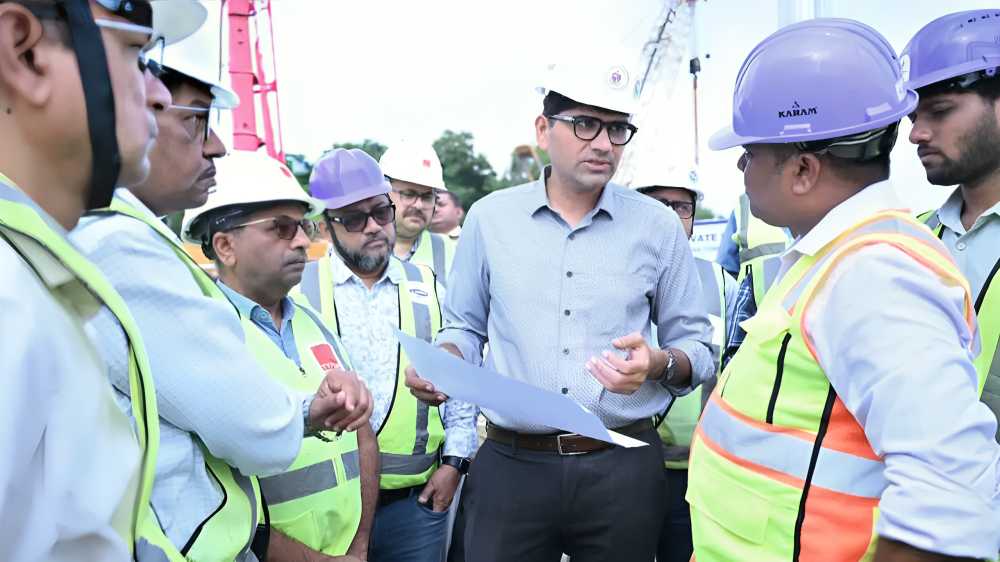
Planning for the new city is being overseen by MMRDA, with Singapore-based urban consultancy Surbana Jurong engaged to prepare the master plan. The firm had earlier developed a long-term concept plan for MMR that envisioned the region emerging as a global city through specialised urban clusters and infrastructure-led growth.
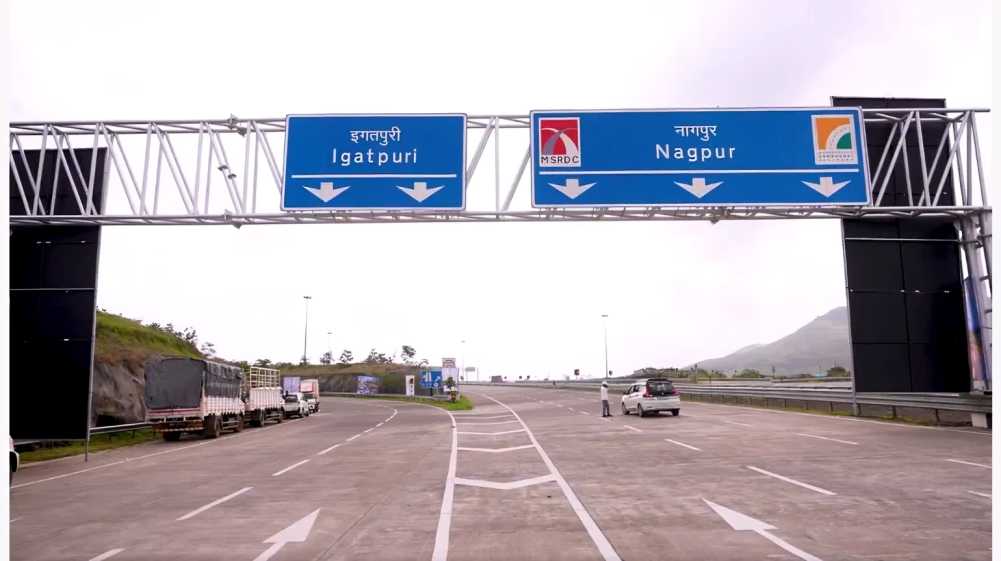
Authorities expect the KSC region to benefit from its strategic proximity to major infrastructure projects, including the Mumbai Trans Harbour Link, the upcoming Navi Mumbai International Airport and other transport corridors. The development is expected to attract data centres, IT parks, logistics facilities, fintech hubs and premium education and healthcare institutions.
A major proposal includes a 1.5 GW data park, which supporters view as a catalyst for future economic growth. However, concerns have been raised over the project’s potential impact on water resources, power consumption and environmental sustainability.
Urban analysts note that the KSC New Town could become one of the largest examples of infrastructure-driven real estate development in the region. While proponents see it as a blueprint for future growth, critics continue to question whether issues such as affordable housing, employment generation and environmental resilience are receiving adequate attention alongside investment-focused planning.
Source: Mumbai Mirror