
Escalating fuel and transportation costs, driven by ongoing geopolitical tensions in West Asia, are beginning to influence residential real estate preferences across India’s major cities. Industry experts say homebuyers are increasingly prioritising connectivity, commute efficiency and access to public transport, while also taking longer to finalise property purchases amid broader economic uncertainty.
Traditionally, housing decisions were largely driven by factors such as budget, property size and amenities. However, developers and consultants note that rising daily travel expenses are now playing a far more significant role, particularly in densely populated urban centres such as Mumbai, Delhi-NCR, Bengaluru and Pune, where commuting forms a substantial part of monthly household expenditure.
According to Arun Sharma, Vice President-Sales & CRM at Viceroy Properties, increasing transportation costs are prompting buyers to rethink where they choose to live.
“In cities such as Mumbai, commute fatigue and dependence on infrastructure have an overwhelming effect on people’s day-to-day quality of life. Buyers today prefer projects that reduce travel time and improve access to business districts, transit corridors and social infrastructure,” Sharma said.
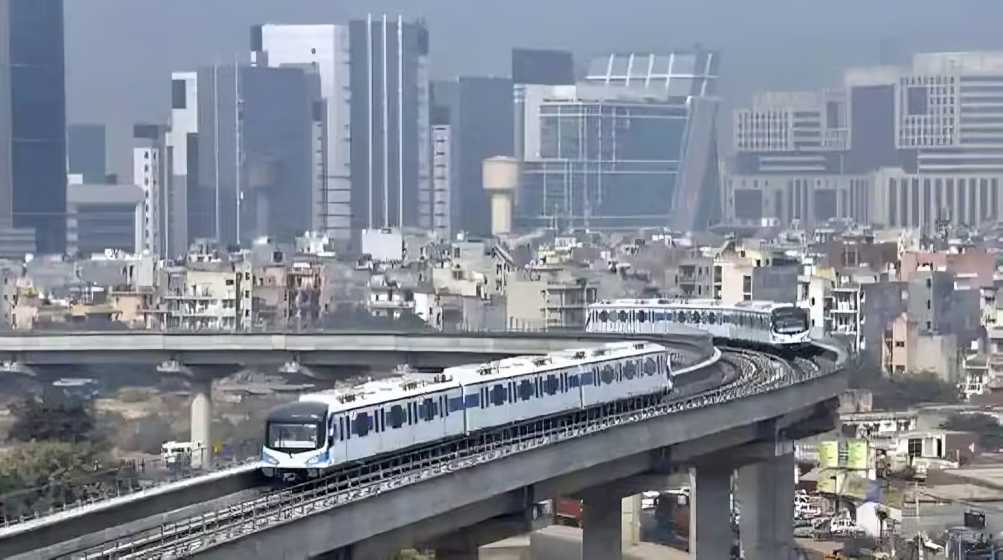
This shift is expected to further strengthen demand for well-connected micro-markets that have benefited from recent infrastructure upgrades, including metro rail expansions, expressways and improved road networks. Areas such as Versova, Andheri, Thane and Navi Mumbai in the Mumbai Metropolitan Region, along with Dwarka Expressway, Noida Expressway, Whitefield and North Bengaluru, continue to attract attention due to their connectivity advantages.
Anuj Mehta, Director at Dhuleva Group, said rising fuel prices have elevated the importance of location and accessibility in residential purchasing decisions.
“Consumers are no longer looking at a property merely as a purchase. Ease of connectivity, efficient commutes and proximity to employment centres are becoming equally important. Travel time and transportation expenses are increasingly affecting purchase decisions,” he said.
At the same time, industry stakeholders are witnessing longer deal-closing cycles as buyers adopt a more cautious approach. Property consultants say transactions that were previously concluded within 15 to 20 days are now often taking one to two months, particularly in the mid-income and premium housing segments. Developers attribute this trend to buyers conducting more detailed evaluations, reassessing financial commitments and making increasingly research-driven decisions before completing a purchase.
Source: Money Control