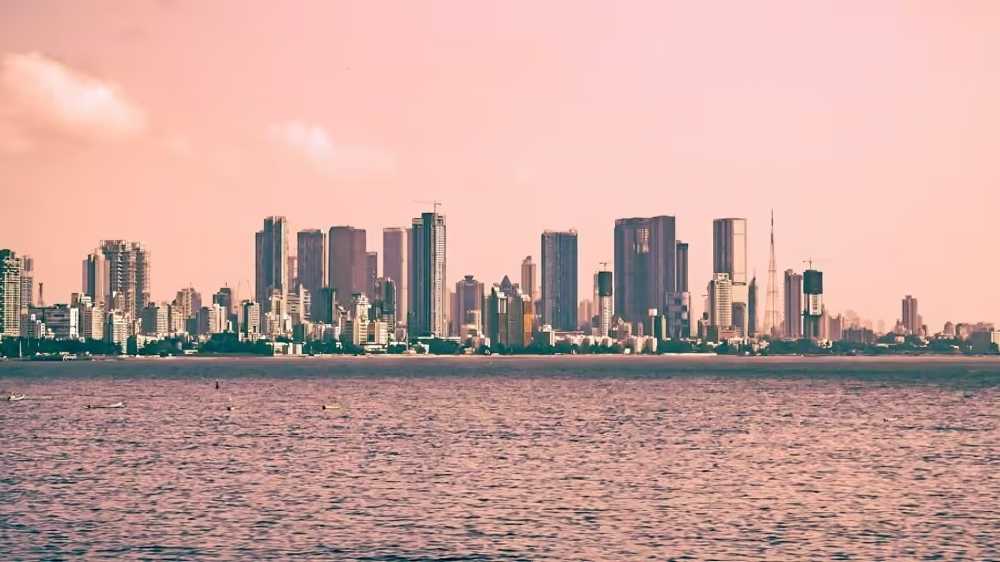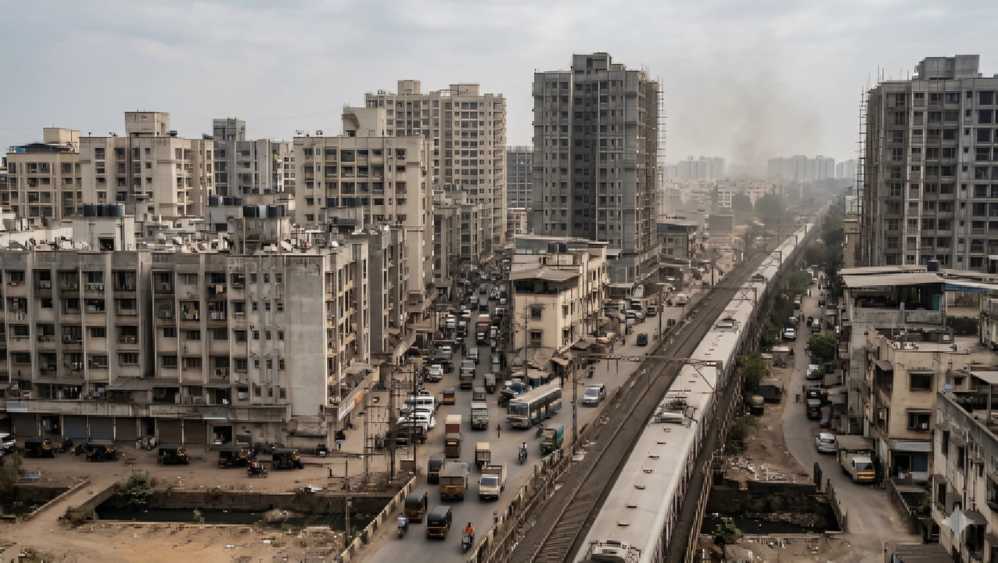

The Mumbai Metropolitan Region (MMR) has witnessed significant urban expansion in recent years, driven by growing employment opportunities, educational institutions and large-scale infrastructure projects. However, the steady influx of migrants from across the country has intensified pressure on essential civic services, prompting calls from residents and activists for measures to ensure more balanced and sustainable development.
Cities including Mira-Bhayandar, Vasai-Virar, Kalyan-Dombivli, Ulhasnagar and Bhiwandi, along with Mumbai, have recorded substantial population growth, placing increasing demands on water supply, roads, sewage networks, healthcare facilities and public services. Concerned about the impact of this rapid urbanisation, Vasai-based social activist and entrepreneur Parag Todankar has written to the Chief Minister and Deputy Chief Minister, urging the government to address the issue.
In his representation, Todankar highlighted that approvals for high-rise residential buildings are being granted across suburban areas, while supporting infrastructure such as roads, water supply systems and sewage networks has not expanded at the same pace. He argued that in densely populated neighbourhoods, emergency evacuation could become a major challenge, and called for stricter controls on new high-rise developments.
The letter also points to growing concerns over inadequate parking facilities, overstretched healthcare services and rising pressure on government hospitals, police departments and other civic agencies. According to Todankar, the benefits of metropolitan development have not reached several regions that supply critical resources to these urban centres. Areas such as Shahapur and Mokhada, which contribute significantly to the region’s water supply, continue to face shortages of clean drinking water, healthcare facilities and quality road infrastructure.
As a long-term solution, he has proposed the creation of new development zones in locations such as Palghar, Jawhar, Mokhada, Shahapur and Karjat to reduce pressure on existing urban centres. He has also suggested incentives for industries setting up operations in these regions, along with employment opportunities for local and tribal youth.
Additionally, Todankar has recommended limiting the carpet area index, making rainwater harvesting mandatory for new developments and relocating certain government offices to areas such as Palghar or Karjat to ease congestion in Mumbai. He cautioned that unless corrective measures are implemented in time, many cities within the metropolitan region could face serious livability challenges in the years ahead.
Source: Loksatta