
The Dharavi Redevelopment Project is being positioned as a transformative urban renewal initiative aimed at converting one of Mumbai’s largest informal settlements into a modern, integrated township centred on walkability, public spaces and improved connectivity.
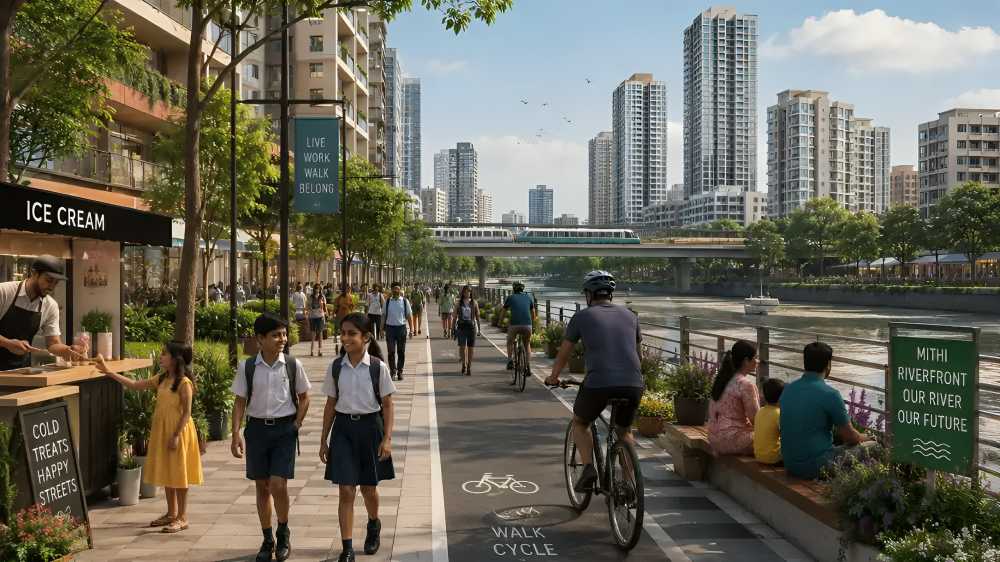
The vision extends beyond housing construction and focuses on creating a neighbourhood where homes, workplaces, educational institutions and recreational areas are located within easy walking distance. The plan also seeks to integrate a rejuvenated riverfront, community spaces and transit-oriented development to improve residents’ quality of life.
Speaking on Monday, Maharashtra Chief Minister Devendra Fadnavis said the redevelopment would be implemented on the lines of contemporary housing developments in Singapore and Hong Kong. The first phase of the project is expected to be completed and handed over by March 2028.
Fadnavis emphasised that protecting the interests, livelihoods and cultural identity of Dharavi residents remains a priority. The redevelopment is being undertaken through a partnership between the Maharashtra government and Adani Group.
Urban planning concepts incorporated into the project draw inspiration from several global cities. Dense but pedestrian-friendly districts in London, including Canary Wharf, King’s Cross and the South Bank, have influenced the focus on walkability, mixed land use and seamless access to public transport. The idea is to ensure that daily necessities such as employment centres, schools and transit hubs can be accessed largely on foot.
The proposed transformation of the Mithi River corridor takes cues from Singapore’s riverfront redevelopment. The master plan envisions converting the river edge into a public waterfront featuring promenades, cycling tracks, green spaces and community gathering areas.
The project also incorporates lessons from mixed-use developments in cities such as Dubai and Bangkok, where residential, commercial, healthcare and leisure facilities are integrated within a single urban ecosystem.
Key elements of the Dharavi master plan include vertical development combined with efficient land use, mixed-use neighbourhood clusters, a riverfront promenade, community-focused public spaces and strong transit integration. Planners believe the redevelopment can help address Mumbai’s housing challenges while improving access to jobs, infrastructure, mobility and open spaces, ultimately creating a more inclusive urban environment.
Source: Times Now