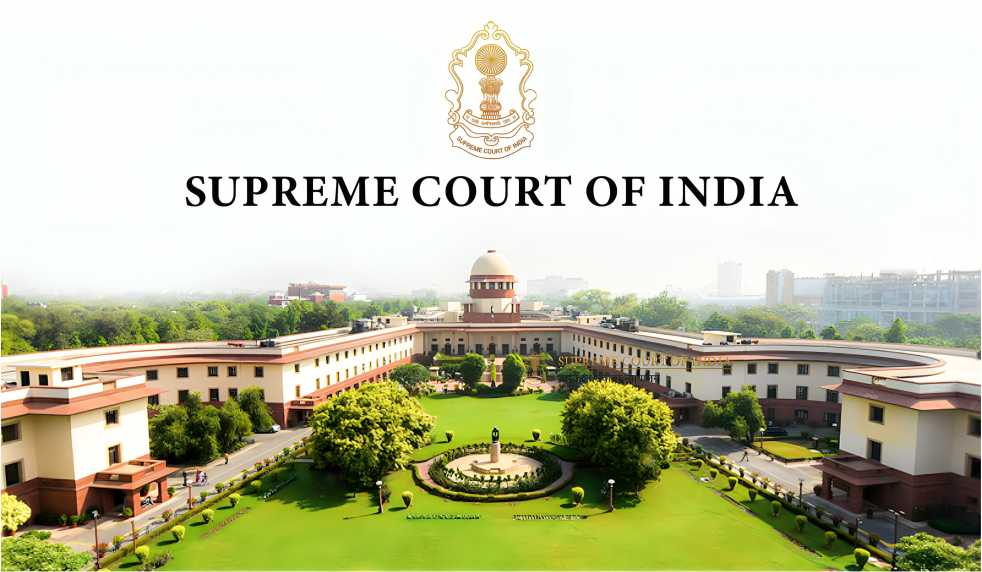

The Supreme Court has directed a Mumbai-based developer to execute a Permanent Alternate Accommodation Agreement (PAAA) and hand over possession of three flats to an occupant of a redeveloped cessed building within two months, ruling that the developer cannot back out of its contractual and statutory obligations after taking possession of the original premises for redevelopment.
A Bench comprising Justices J.B. Pardiwala and K. Vinod Chandran set aside a Bombay High Court order that had restrained the Maharashtra Housing and Area Development Authority (MHADA) from initiating coercive action against the developer for failing to comply with its directions.
The apex court restored MHADA’s earlier orders directing the developer to execute and register the PAAA and hand over the promised flats to the appellants, observing that the authority had acted within the provisions of the Maharashtra Housing and Area Development Act and applicable redevelopment regulations.
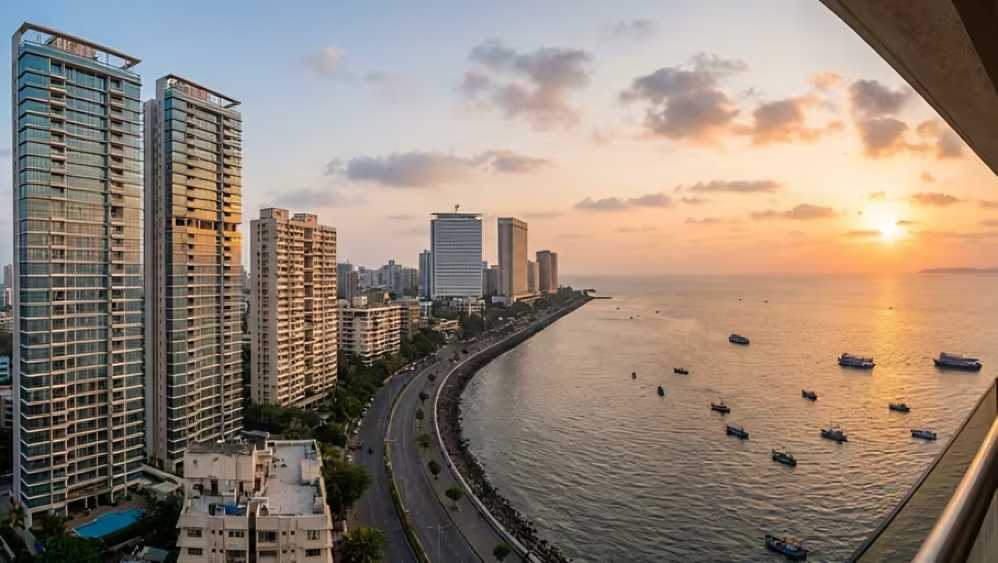
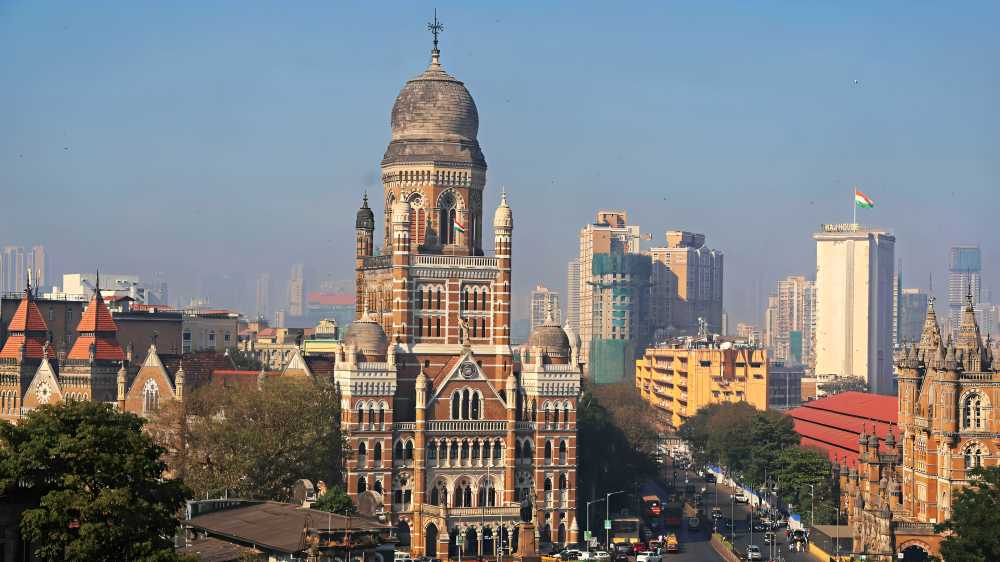
The dispute arose from the redevelopment of a cessed building in Mumbai, where residents vacated their premises after being assured permanent alternate accommodation in the reconstructed building. The appellants sought enforcement of a PAAA signed in October 2019, under which they were promised three flats. However, the developer argued that the agreement was invalid and claimed that reduced permissible construction due to revised building height restrictions made it impossible to fulfil the commitment.
Rejecting these arguments, the Supreme Court observed, “The developer cannot casually, after all these years having obtained a consent, leading to vacation of premises and possession being handed over for the purpose of redevelopment, on the promise of allotment of premises as specified in the PAAA, turn around and challenge the very claim raised by the 1st appellant as an occupant.”
The Bench further ruled, “The settlement of inter se disputes between the partners… cannot absolve the developer from his obligations as per the validly executed agreement based on which vacant possession of the premises was obtained, the old premises demolished and the new building constructed.”
The court also dismissed the developer’s argument regarding reduced utilisation of fungible Floor Space Index (FSI), stating, “The mere fact that fungible area was not fully utilised cannot be a ground to allow the developer to resile from its agreement to redevelop and allot alternate premises to the occupants of the old building as agreed upon.”
Setting aside the High Court’s decision, the Bench observed, “We are satisfied that the impugned judgment erred in restraining MHADA from taking further proceedings… We set aside the impugned judgment of the High Court.”
The Supreme Court directed the developer to complete the execution of the PAAA and hand over possession of the three flats within two months. It further ruled that if the deadline is not met, the appellants will be entitled to recover damages equivalent to the monthly rental value of all three flats and may also seek additional compensation for the delay.
The court also described the civil suit later filed by the developer challenging the PAAA as “misconceived and mala fide” and directed the Bombay High Court not to proceed with the matter. Additionally, the appeal was allowed with costs of Rs 50,000 each before the High Court and the Supreme Court, payable by the developer to the appellants.
Source: The Hawk