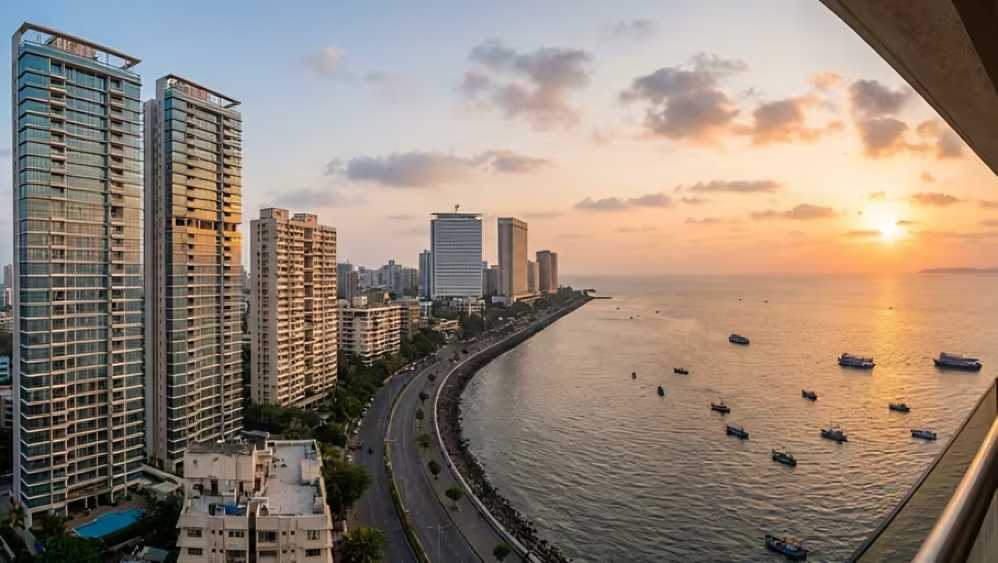

Rs 1 crore used to be enough to buy a good 2BHK in Mumbai, close to a school and a train station. That is not true anymore. In many of those areas, Rs 1 crore is no longer enough to even get a proper reply from a broker. The city has changed, and middle-class buyers are the ones being pushed out to the edges.
The numbers show this clearly. Mumbai’s EMI-to-income ratio has fallen below 50% for the first time, according to Knight Frank India. Even so, Mumbai is still the least affordable city in India. Households here spend 48% of their income on home loans. In Ahmedabad, this number is only 18%. In Pune, it is 22%.
The bigger problem is that affordable homes are disappearing. In 2019, they made up 38% of all homes sold in India. By 2025, this dropped to just 18%. At the same time, sales of luxury homes went up 170% in 2024. Families earning Rs 60,000 to Rs 1.2 lakh a month – teachers, nurses, junior IT staff, and government employees – can only get loans of Rs 25-55 lakh. Homes at that price have almost disappeared in Mumbai since 2018. So has affordable Mumbai disappeared completely? Not really. It has simply moved to new areas.
Sukhraj Nahar, President of CREDAI-MCHI, says buyers just need to look in different places now.
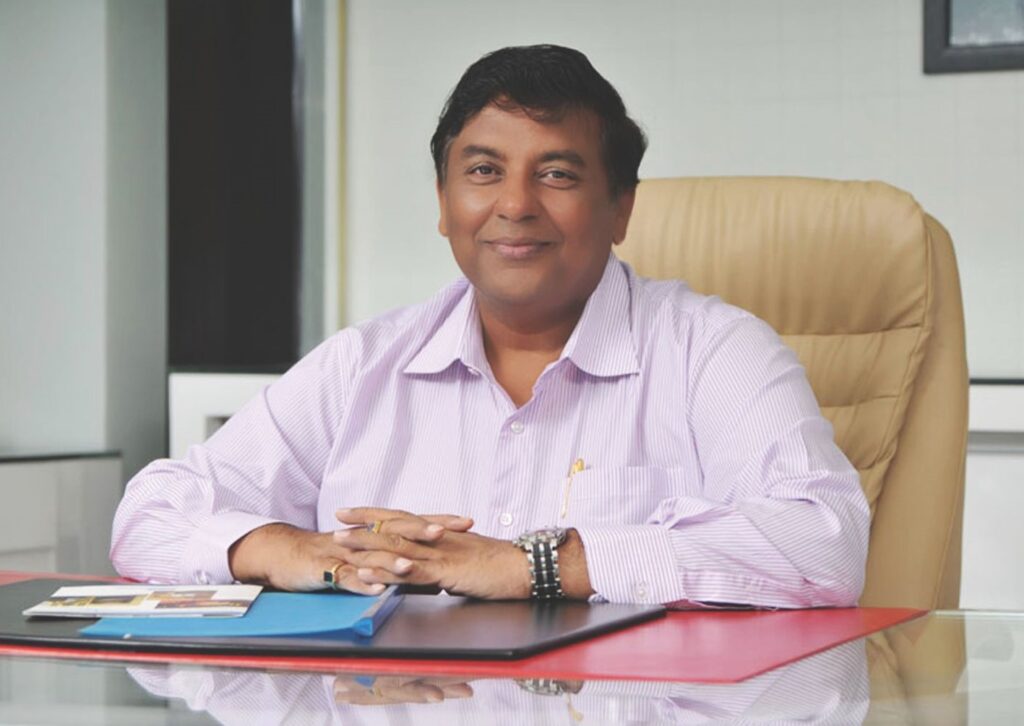
“It is still possible if buyers are willing to consider well-connected emerging micro-markets rather than traditional prime locations. Areas such as Bhandup, Mulund, Mira Road, Bhayandar, Vasai-Virar, Panvel, Taloja, Kharghar, and parts of Thane continue to offer relatively affordable housing with good long-term growth potential, helped by Metro expansion, the Coastal Road, the Goregaon-Mulund Link Road and the Trans Harbour Link,” he said.
“Today’s middle-class homebuyer is prioritising connectivity, quality of construction, and lifestyle amenities over a prestigious pin code. The definition of ‘affordable Mumbai’ is gradually expanding beyond the city limits,” he added.
Nihar Jayesh Thakkar, Founder of The Mandate House Private Limited, says this change has been happening slowly for years, not suddenly.
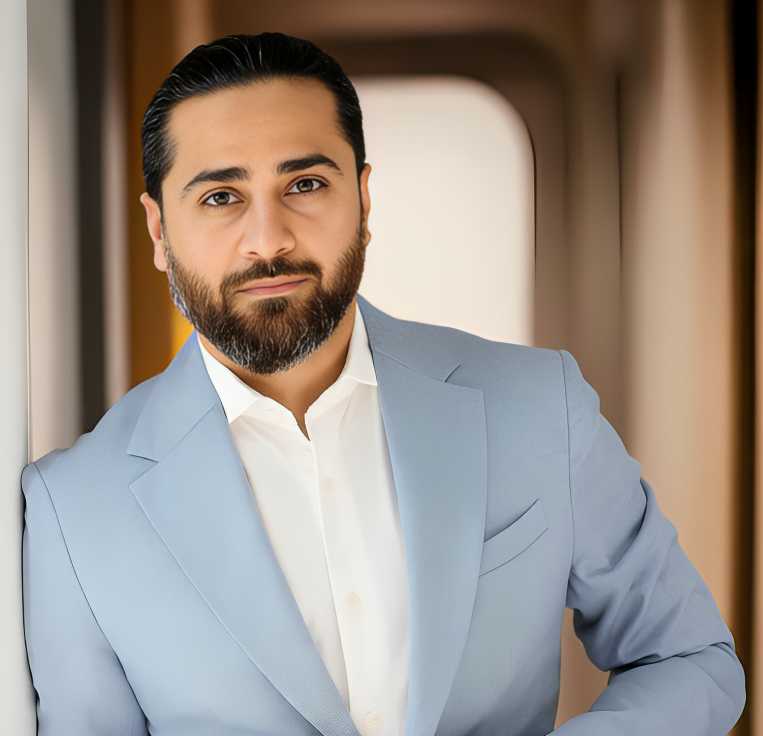
“Owning a home in traditional city-centre locations is becoming increasingly challenging due to rising property values and limited supply. Demand is shifting towards well-connected suburban markets, Dahisar, Bhandup, Mira Road, Vasai-Virar, Panvel and select pockets of Navi Mumbai, that offer a balance between affordability, connectivity and lifestyle,” he said.
“We are witnessing a clear shift from location-driven decisions to value-driven decisions. These emerging markets are likely to remain the primary entry points for Mumbai’s aspiring middle-class homeowners,” Thakkar said.
The numbers on the ground back this up. Vasai Virar, now called the “Fourth Mumbai”, is growing fast because of the upcoming Metro Line 13, with most areas still priced under Rs 8,000 per sq ft. Mira Road is still close to the Rs 1 crore mark. Mulund and Bhandup, once easy budget options, have now crossed that budget, with Mulund West priced at Rs 22,000-25,000 per sq ft. But Karan Villaitramani, Director of Srishti Group, says Bhandup still has an advantage. “Bhandup has emerged as one of the most promising residential destinations. The locality enjoys excellent connectivity through the Central Railway line and is strategically located close to major commercial hubs, including Powai, Vikhroli and Thane. Its infrastructure profile is set to improve further with the upcoming Goregaon-Mulund Link Road,” he said.
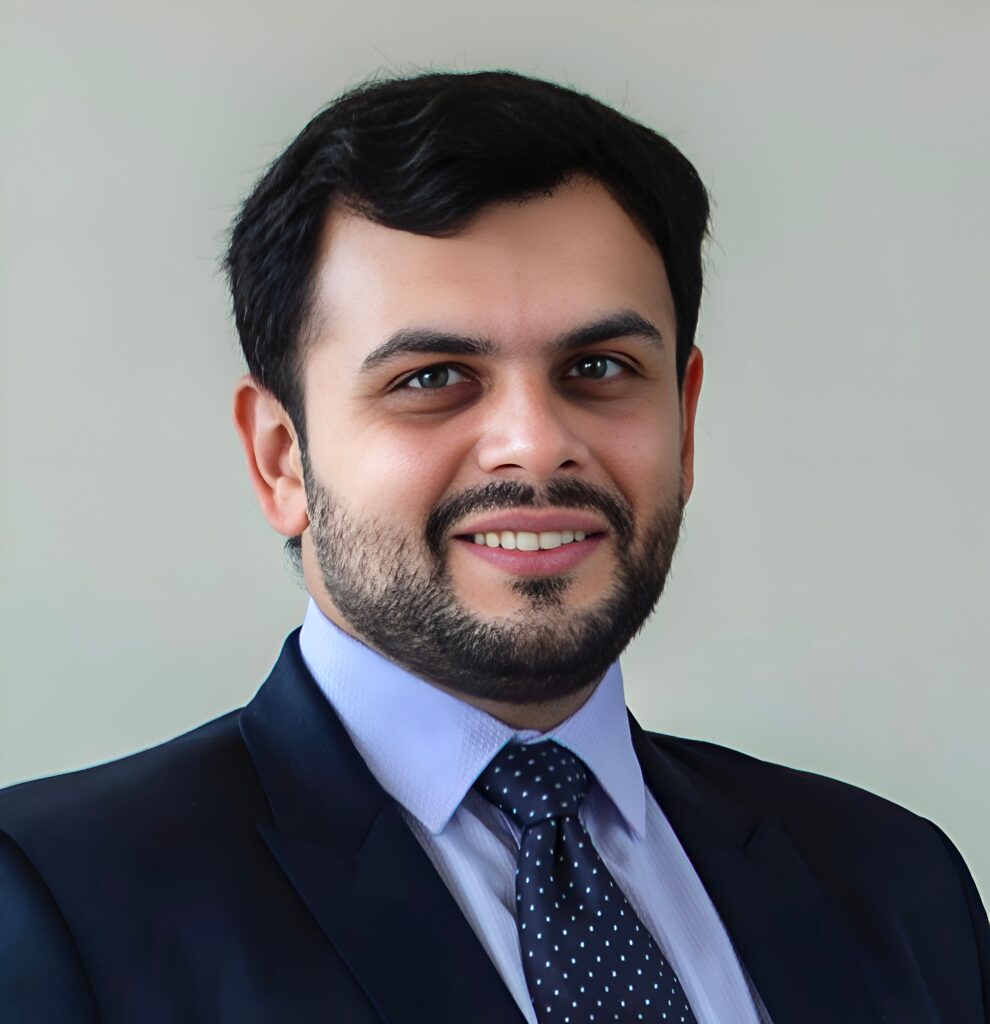
“As prices in Powai, Mulund and central Mumbai move beyond reach for many middle-income buyers, Bhandup is increasingly being recognised as a practical, future-ready alternative,” Villaitramani said.
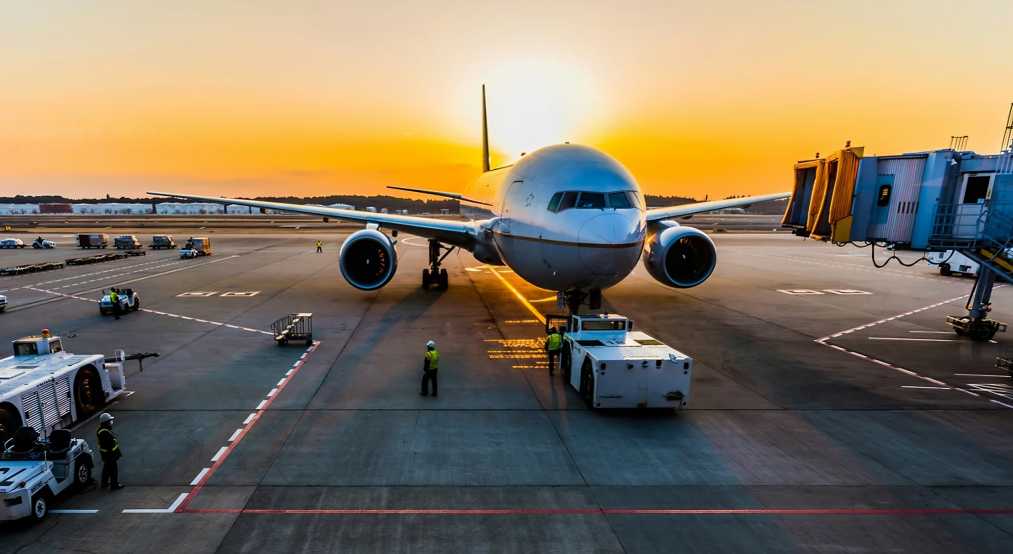
While Navi Mumbai has quietly become the affordable area in the city, the new international airport, opened in December 2025, has already pushed up prices by 30-50% in nearby areas, with Ulwe and Panvel expected to grow the most through 2027.
However, Mumbai’s property registrations hit a 13-year high in April 2026, which shows the market is not slowing down; it is just moving further out.
For a buyer with Rs 1 crore in 2026, the real choices are Vasai, Virar for those willing to buy before the metro opens, Panvel and Ulwe for those betting on the airport’s growth, and Bhandup for those who want good value close to the old city. In most other parts of Mumbai, that same crore simply does not go as far as it once did, and buyers already know it.