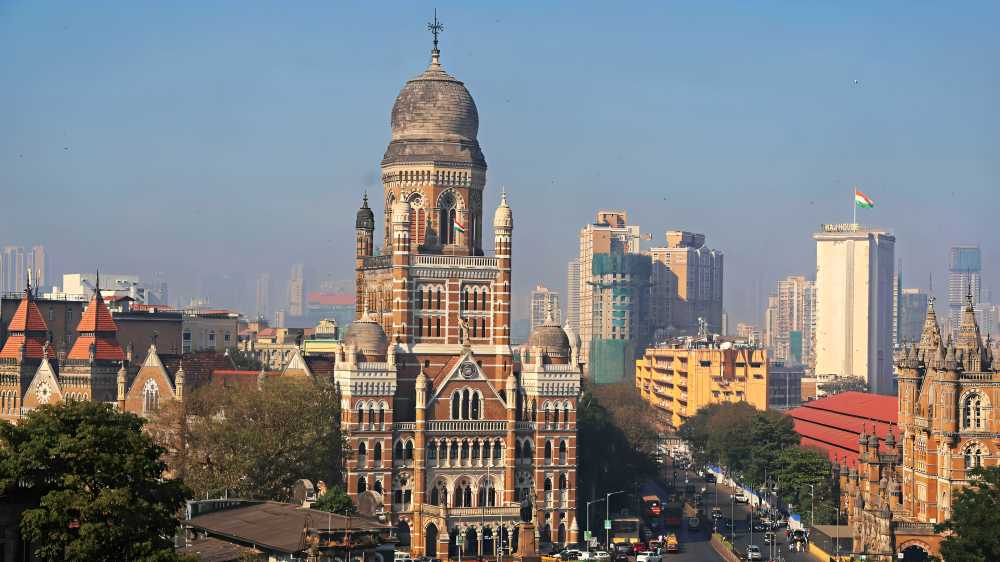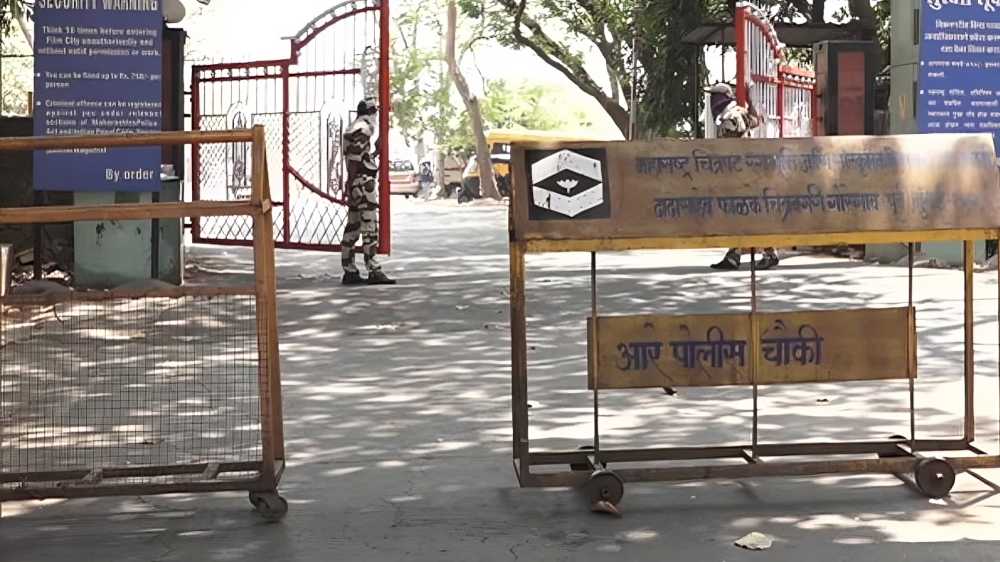

A citizens’ group has urged the Union Ministry of Environment, Forest and Climate Change (MoEF&CC) to ensure that the proposed redevelopment of the 521-acre Dadasaheb Phalke Chitranagari (Film City) in Goregaon East complies with all applicable environmental regulations before any approvals are granted.
In a representation submitted to Union Environment Minister Bhupender Yadav and senior ministry officials, the Watchdog Foundation raised concerns over the redevelopment of the government-owned Film City campus, which is located adjacent to the Sanjay Gandhi National Park (SGNP).
The foundation pointed out that portions of the Film City fall within the Eco-Sensitive Zone (ESZ) surrounding SGNP, a protected area notified under the Environment (Protection) Act, 1986, to safeguard the park’s ecological balance by regulating development in its vicinity.
According to the representation, any redevelopment involving expansion, changes in land use, additional construction or an increase in built-up area should be examined under the Environment (Protection) Act, the Eco-Sensitive Zone notification for SGNP, the Wildlife (Protection) Act, 1972, the Forest (Conservation) Act, 1980, and the Environmental Impact Assessment (EIA) Notification, 2006, wherever applicable. The foundation also sought compliance with directions issued by the Supreme Court, the National Green Tribunal and other judicial authorities concerning protected areas.
The organisation requested the ministry to determine whether the proposed redevelopment falls wholly or partially within the notified ESZ and ensure that no environmental clearance is granted unless all statutory requirements are fulfilled.
The representation further urged the ministry to examine whether the project requires appraisal by the appropriate Expert Appraisal Committee, the Standing Committee of the National Board for Wildlife or any other statutory authority before proceeding.
Godfrey Pimenta, trustee of the Watchdog Foundation, also called for a comprehensive assessment of the project’s potential impact on wildlife habitats, biodiversity, ecological corridors, hydrology, vegetation, traffic, noise, light pollution and cumulative environmental effects.
The foundation additionally sought greater transparency by requesting that statutory studies, maps and environmental assessment reports be placed in the public domain wherever required by law.
Describing the redevelopment of a site adjoining one of India’s largest urban national parks as environmentally significant, the foundation stressed that the proposal should undergo the highest level of environmental scrutiny before any irreversible development is permitted.
Source: The Free Press Journal