
Mumbai’s obsession with higher Floor Space Index (FSI) risks building taller towers without solving deeper urban challenges.
Mumbai has discovered its ultimate cure-all. Traffic choking? Increase FSI. Housing shortage? Increase FSI. Redevelopment stuck? Increase FSI. Flooding every monsoon? Well, perhaps another dose of FSI will help there too.
At this rate, the FSI, a technical planning tool that decides how much construction is allowed on a plot, may soon replace every department in the city administration. Why hire traffic planners, drainage experts or urban designers when one magical number can apparently solve everything?
Mumbai’s urban policy increasingly resembles a doctor’s clinic where every challenge receives the same prescription: more FSI. Whether it is traffic congestion, stalled redevelopment or housing demand, the solution often points towards taller structures. However, Mumbai’s growth challenge is not only about adding more buildings. According to MMRDA projections, the region’s population may cross 34 million by 2031, increasing pressure on transport, housing and civic systems. The real question is whether infrastructure can expand alongside construction.
The logic is attractive. Mumbai is land-starved, and higher FSI allows more homes and better utilisation of limited land. In fact, the city’s island area has only around 438 sq km of land, making every available parcel extremely valuable. But the uncomfortable question is whether the city is creating more housing or merely creating taller versions of the same problems.
Mumbai already has one of the highest population densities among global cities, with parts of the island city accommodating more than 20,000 people per square kilometre. Yet, infrastructure growth often moves at a slower speed than construction approvals. The result is a city where buildings rise faster than roads widen, water pipelines upgrade, and public spaces expand.
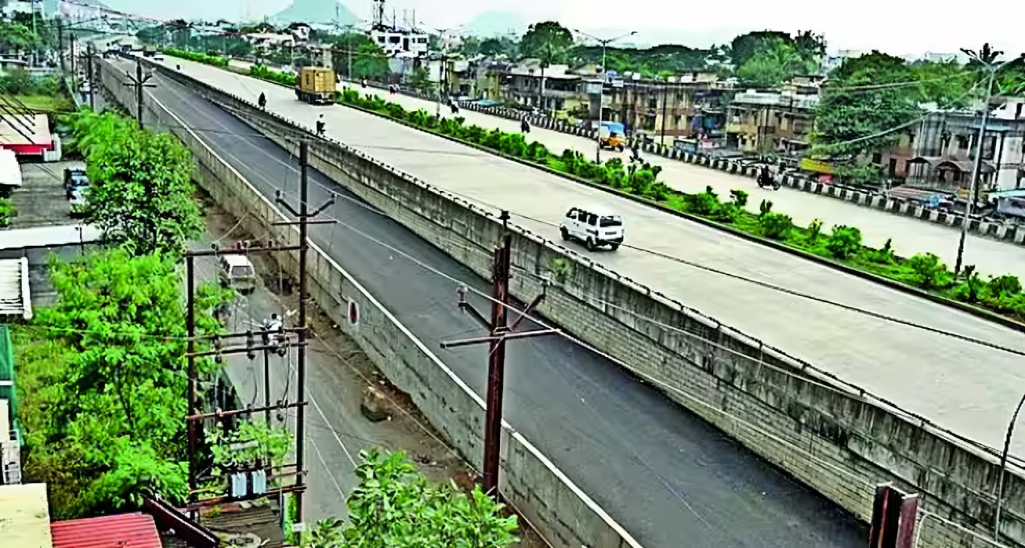
The irony is visible everywhere. The city has added major infrastructure projects, including the 33.5-km Mumbai Metro Line 3, which became fully operational in phases in 2025, improving connectivity across key areas. But even with transport expansion, Mumbai’s road network continues to face intense pressure, with vehicle registrations crossing the 45 lakh mark in recent years. More people and more buildings without matching mobility planning simply mean more vehicles competing for the same limited road space.
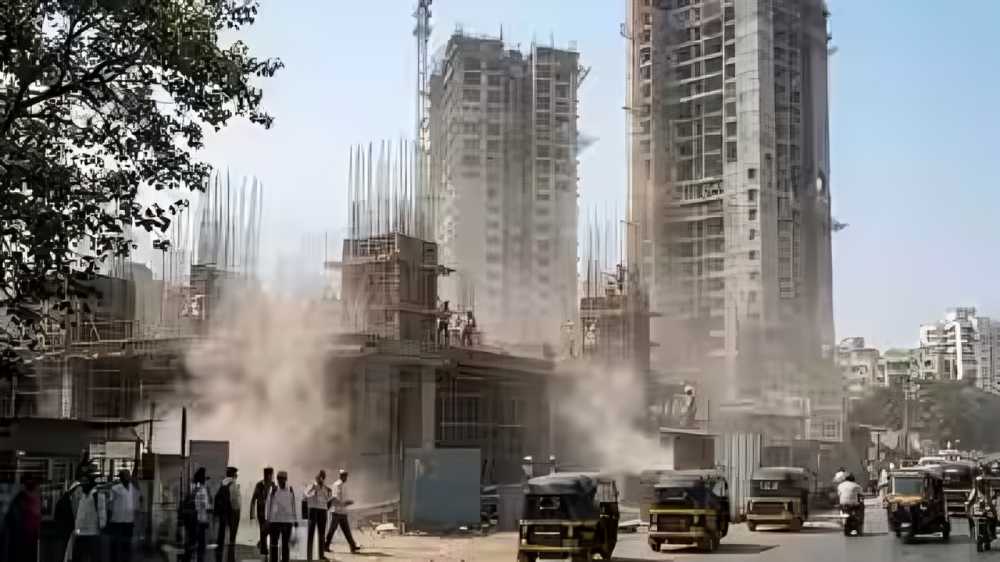
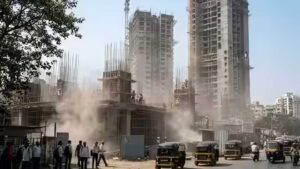
Redevelopment is another favourite battlefield for the FSI debate. Thousands of ageing buildings genuinely require renewal, and additional development rights can help make projects financially viable. However, redevelopment often becomes a numbers game, how many extra floors can fit, rather than a discussion about whether the neighbourhood can support thousands of additional residents.
Consider the familiar Mumbai scene: a decades-old building gets redeveloped into a modern tower, but residents still depend on the same narrow roads, the same overloaded drainage systems and the same limited parking spaces. The building gets a makeover; the neighbourhood gets a headache.
Even the city’s waste management challenges highlight this mismatch. Mumbai generates around 6,000–7,000 metric tonnes of municipal solid waste daily. Adding population density without expanding civic capacity risks creating vertical growth with horizontal consequences.
FSI is not the villain. It is a useful planning instrument. The problem begins when it becomes a substitute for planning itself. A city cannot build its way out of every challenge.
The city needs a more mature urban conversation. Before granting additional construction potential, authorities must ask simple questions: Are there enough schools, hospitals, public transport links, open spaces and drainage systems? Can existing infrastructure carry the additional load?
The city does not need just buildings. It needs smarter buildings, better neighbourhood planning and infrastructure that keeps pace with ambition.
Because if every urban problem receives the same prescription of “more FSI”, Mumbai may soon become the only city where the skyline reaches new heights while common sense remains stuck on the ground floor.