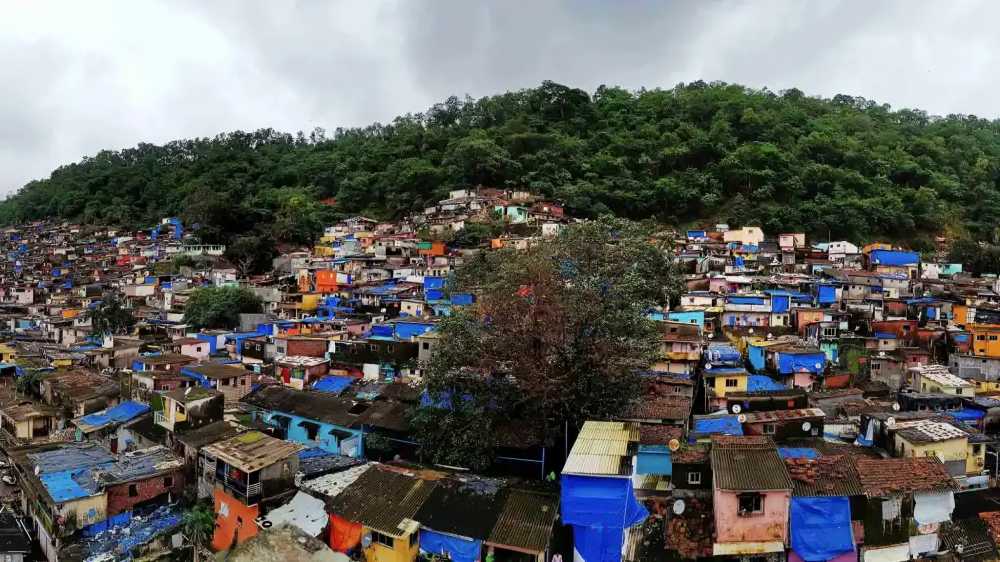

Mumbai has identified many of its landslide-prone areas, but the lack of coordinated evacuation, rehabilitation and preventive measures continues to leave thousands of residents vulnerable during heavy rainfall.
The issue came into sharp focus after a landslide on Kurla’s Hill Number 3 on August 12 killed eight people, including two toddlers. A month earlier, six people, including five minors, died after a four-storey structure in Mankhurd collapsed onto nearby shanties. In both incidents, the BMC said residents had previously been warned to vacate the unsafe locations.
Mumbai has faced similar tragedies for years. A 2018 Geological Survey of India (GSI) assessment identified 45 highly vulnerable inhabited landslide locations across the city. The BMC’s Mumbai Climate Action Plan has since identified 287 landslide-prone sites, including 209 located within informal settlements.
The challenge, however, extends beyond identifying dangerous slopes. Many of Mumbai’s hills are government-owned, resulting in jurisdictional disputes between the BMC and the Collector’s office over enforcement and relocation.
A civic official said, “The land on which these structures stand doesn’t fall under BMC’s jurisdiction; therefore, we cannot carry out an enforcement drive without the collector’s authorisation.”
An official in the Collector’s office responded, “For Mumbai, the BMC is the primary planning body, and the collector’s office doesn’t have any resources to carry out such a large-scale eviction drive.”
Experts say heavy rainfall is often only the trigger, while unplanned construction, altered drainage patterns and excessive loading on slopes increase vulnerability.
Geotechnical engineer Deepankar Choudhury said, “The hill slopes in an urban area get overloaded whenever there is erratic, unmonitored and unplanned construction on them. The more weight you put on the slopes, the more unstable they become.”
Relocating residents also presents a major challenge because affordable alternative housing is limited and legal protections restrict indiscriminate evictions.
The administration now plans stronger action after the monsoon. BMC Commissioner Ashwini Bhide said, “After the monsoon gets over, we will issue notices to illegal encroachers and ask them to vacate the premises first. If required, forceful eviction will be carried out.”
The Collector’s office has indicated that removal of residential structures could begin after September 30, potentially marking a shift from repeated warnings towards enforcement and risk mitigation.
Source: The Indian Express