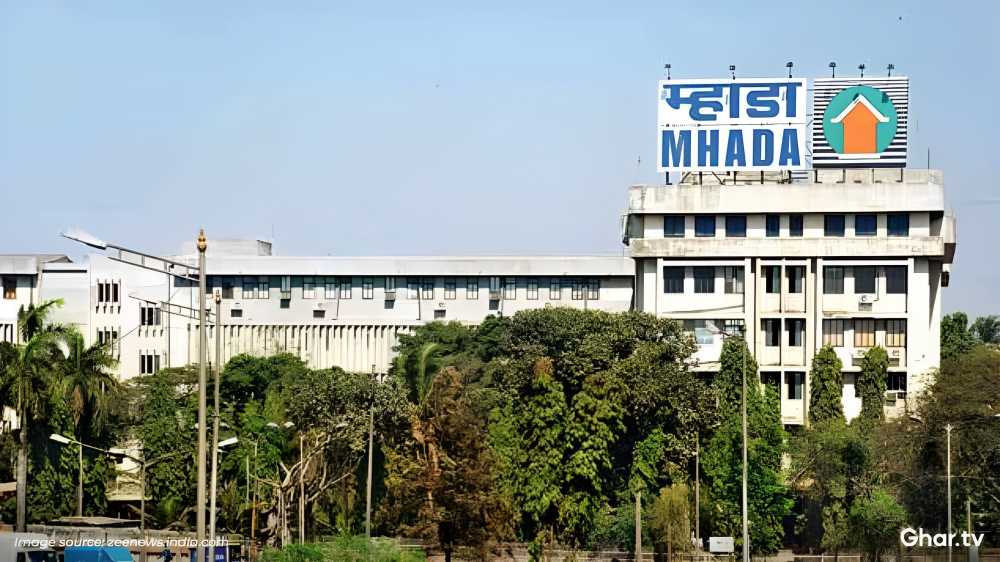

The Maharashtra Housing and Area Development Authority (MHADA) is considering a significant overhaul of the deposit system for its housing lotteries, with a proposal that would allow applicants to keep the mandatory deposit in their own bank accounts until the results are announced.
Under the proposed arrangement, applicants would not need to transfer the deposit to MHADA while submitting their lottery applications. Instead, the required amount would remain in their bank accounts, with the earmarked funds blocked from withdrawal until the lottery process is completed.
A MHADA official said the authority is working on the proposal and hopes to introduce the new mechanism in its upcoming housing lotteries. The move is aimed at making the application process more convenient and transparent while ensuring that applicants’ funds are not unnecessarily held by the authority.
MHADA conducts housing lotteries that attract lakhs of applicants. At present, applicants typically need to deposit between Rs 10,000 and Rs 50,000, depending on the particular housing scheme. The amount is returned to those who are not selected after the lottery results are declared.
However, refund delays have emerged as a concern. In the recently conducted Mumbai Board lottery, around 75,000 unsuccessful applicants reportedly waited nearly three months to receive their deposits, significantly longer than the usual refund period of around 10 to 15 days.
The proposed system is intended to address such delays by keeping applicants’ money in their own bank accounts rather than transferring it to MHADA.
Bank-based mechanism under consideration
MHADA is reportedly discussing the mechanism with banks to create a system through which the specified deposit amount would be earmarked and temporarily blocked from withdrawal. Once the lottery results are announced, the restriction could be lifted.
The arrangement would also eliminate the need for MHADA to separately process refunds for unsuccessful applicants. This could reduce administrative delays, particularly when lotteries are postponed or take longer than expected.
Another potential benefit is that any interest generated on the deposit during the waiting period would remain with the applicant rather than MHADA.
The proposed change could therefore provide greater financial convenience to thousands of housing lottery applicants while reducing the administrative burden associated with handling and refunding large volumes of deposits. However, the mechanism will depend on the final framework agreed upon by MHADA and participating banks.
Source: The Free Press Journal