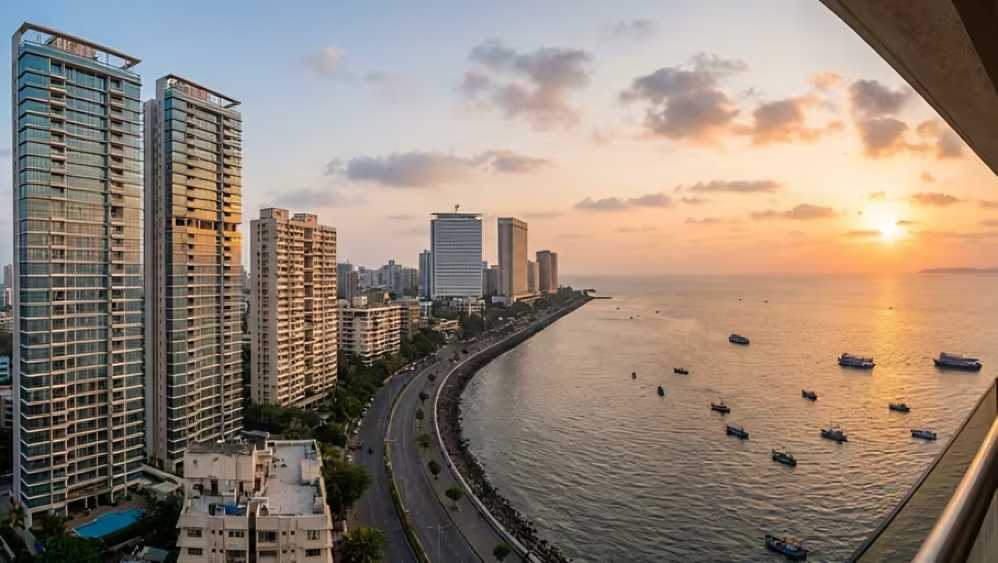

In Mumbai’s redevelopment economy, the most valuable space in a home may no longer be the living room, the balcony or the parking slot. It could be the temporary home residents occupy while waiting for their old building to become their new one.
The city’s real estate market has mastered the art of selling the future. A redevelopment project is never just a new building—it’s a promise: better homes, modern amenities, extra space and, naturally, a possession date that sounds reassuringly close.
The interesting part begins after residents hand over their keys.
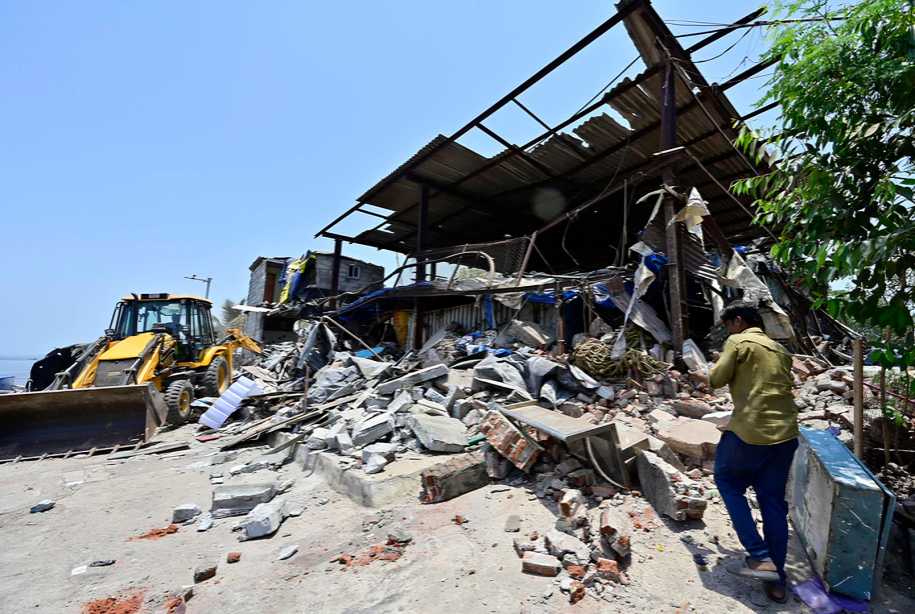
Suddenly the transaction acquires a second life: everyone becomes a tenant. The society moves out, the developer moves in, and residents move into rented homes — paid for either through transit accommodation arranged by the developer or a monthly rent compensation. While the new tower rises somewhere in the distance, the redevelopment clock keeps ticking.
Mumbai has roughly 1.6 lakh buildings over 30 years old, by the civic body’s own count, making redevelopment one of the city’s defining real estate stories rather than a niche one. Over a thousand societies are currently in the middle of this exact process. And nearly all of them are negotiating the same basic question: how long does “temporary” actually mean? Six months? Two years? Four years? In Mumbai, the answer occasionally seems to be: please ask again after the next extension. It doesn’t help that the average redevelopment project is estimated to run 5–7 years from agreement to possession—a timeline that’s easy to write into a brochure and much harder to live through.
This is where redevelopment gets interesting. A project’s value is usually discussed in terms of carpet area, saleable inventory, FSI and price per square foot. But for existing residents, another number matters just as much: the number of months between vacating the old home and receiving the new one.
A delay of a year doesn’t just alter a construction schedule. It means another year of rent, shifting costs, disrupted school routes, longer commutes, and the quiet inconvenience of living out of a suitcase that was supposed to be unpacked long ago.
And Mumbai’s housing market isn’t exactly standing still to make that wait easier—2026 has, if anything, been one of the strongest years on record for property registrations in the city. As land values climb and construction gets more complex, the financial mathematics around every extra month of displacement only gets sharper.
Yet possession timelines still get far less attention than the artist’s impression of the finished tower.
A brochure will happily show a landscaped podium garden that doesn’t exist yet. It will show a clubhouse residents may eventually enjoy. It will show a dramatic entrance lobby. What it rarely shows is the resident standing outside a rented flat, wondering whether the redevelopment agreement has developed a permanent address of its own.
To be fair, redevelopment is complicated. Approvals, litigation, rehabilitation requirements, financing and shifting construction costs can all affect timelines. Delays aren’t always the result of poor planning.
But perhaps Mumbai’s redevelopment market needs a new metric. Not just FSI per plot. Not just carpet area per family. But months of displacement per promise. Because a larger flat delivered four years late doesn’t feel quite as luxurious as the brochure suggested.