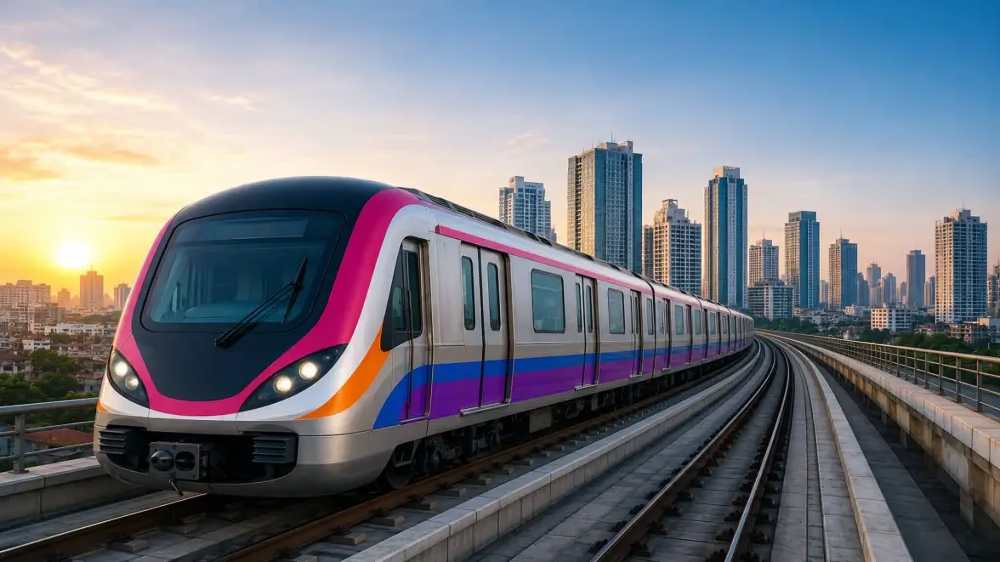

Mumbai Metro has introduced an artificial intelligence-powered monitoring system designed to identify faults in pantographs before they affect train operations, marking a major step towards predictive maintenance and smarter urban rail infrastructure.
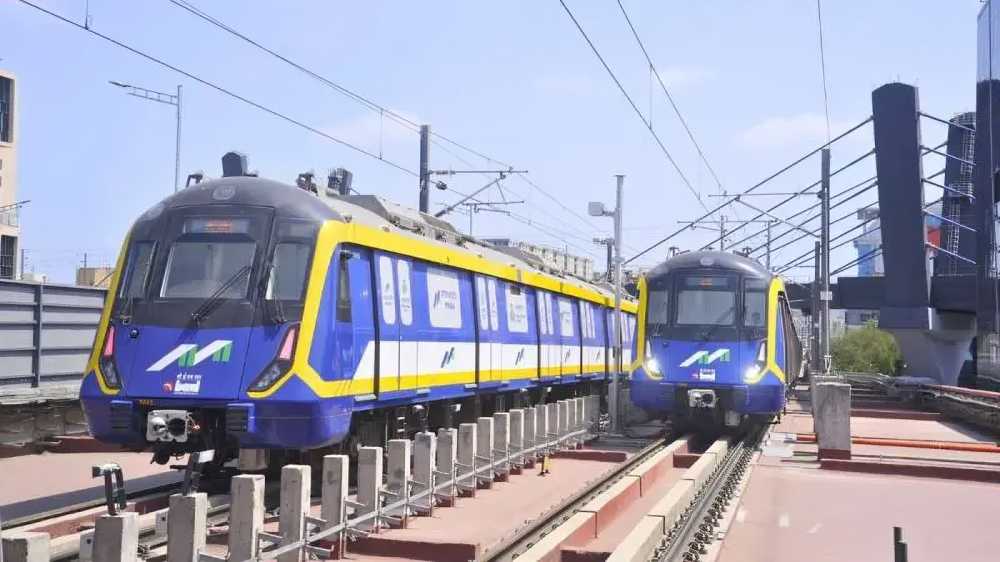
The Mumbai Metropolitan Region Development Authority (MMRDA) said Maha Mumbai Metro has deployed India’s first AI-based Automated Pantograph Condition Monitoring System. The technology allows pantographs to be inspected automatically and in real time while trains remain in service.
Unlike conventional inspections that rely on periodic manual checks, the new system continuously monitors pantographs during regular operations. MMRDA said the upgrade is expected to improve passenger safety, increase fleet availability, enhance operational reliability and reduce downtime.
Why pantographs are important
A pantograph is mounted on the roof of a metro train and collects electricity from the overhead contact system to power the train. Any damage or malfunction can affect electricity collection and potentially disrupt services.
“Every metro journey depends on one small component that most passengers never notice. This is the pantograph,” MMRDA explained in a video accompanying its announcement.
Inspection time cut from 30 minutes to seconds
One of the key advantages of the system is its speed. According to MMRDA, inspection time has been reduced from around 30 minutes to just a few seconds.
The system can monitor every passing train during its journey, including during daytime and night-time operations, without requiring services to be halted for inspection.
How the AI system works
The monitoring setup combines high-speed laser scanning, 3D triangulation, precision imaging, artificial intelligence and machine learning. As a train passes the equipment, detailed data on its pantograph is captured and used to create a real-time digital representation of the component.
The system assesses parameters such as carbon-strip condition, alignment, structural integrity and uplift behaviour. It can identify abnormalities, cracks, unusual movements, damage and wear, allowing maintenance teams to receive alerts before problems escalate.
For commuters, the technology is intended to work quietly in the background.
“Most passengers will never notice this technology, and that’s exactly how it should be, because when infrastructure works silently, every journey feels effortless,” MMRDA said.
The deployment is expected to strengthen preventive maintenance and support more reliable metro services across Mumbai.
Source: Financial Express