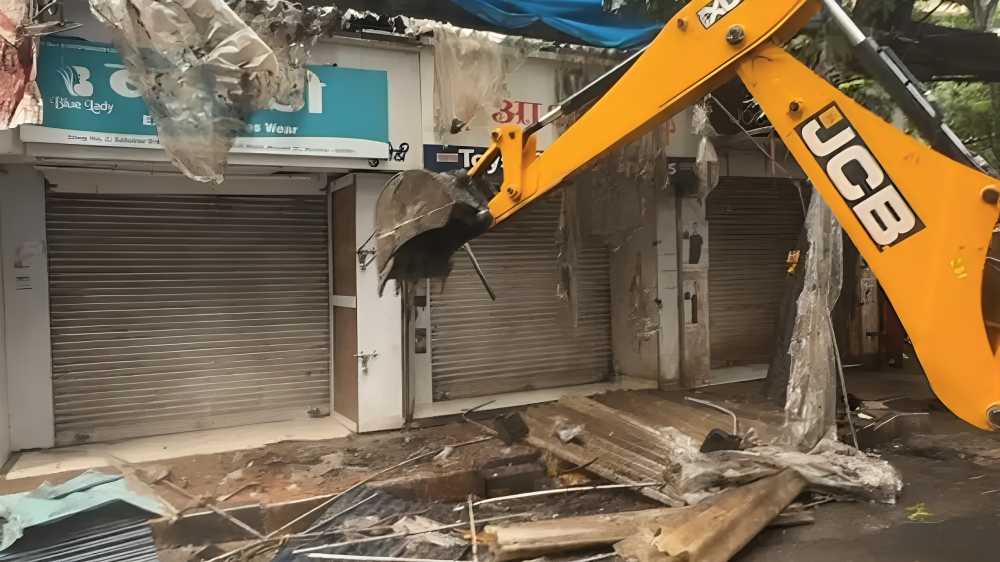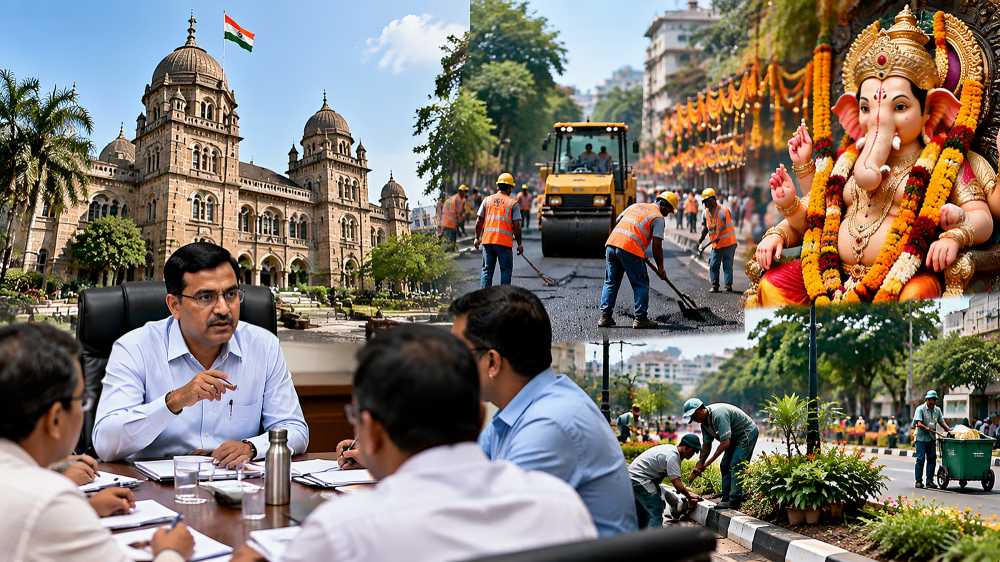

Mumbai’s residential real estate market is entering a new phase as redevelopment increasingly becomes a major source of housing supply in a city where land availability for fresh development remains limited.
A report titled “Redevelopment in Mumbai: The Inflection Point, from Land Scarcity to Systematic Urban Renewal”, released during NAREDCO Maharashtra’s Real Estate & Infrastructure Investors’ Summit 2026 on September 3, highlighted a significant shift in the city’s housing market. For the first time, housing sales from redevelopment projects have surpassed sales from newly launched projects, indicating the growing importance of rebuilding existing urban areas.
According to the report, more than 1,000 redevelopment projects have been launched in Mumbai since 2020, together accounting for nearly 13% of the city’s residential supply. Redevelopment projects represented around 15% of housing sales in 2025 and the first half of 2026, compared with just 6% between 2016 and 2021.
The trend suggests that redevelopment is moving beyond a niche segment and becoming an established part of Mumbai’s mainstream housing market.
With limited vacant land and sustained demand for homes, the city’s future growth is increasingly dependent on unlocking value from existing buildings and underutilised land parcels rather than expanding solely into new areas.
JLL Senior Managing Director – Mumbai MMR & Gujarat and Alternatives Karan Singh Sodi has highlighted this transition as a move towards more systematic urban renewal.
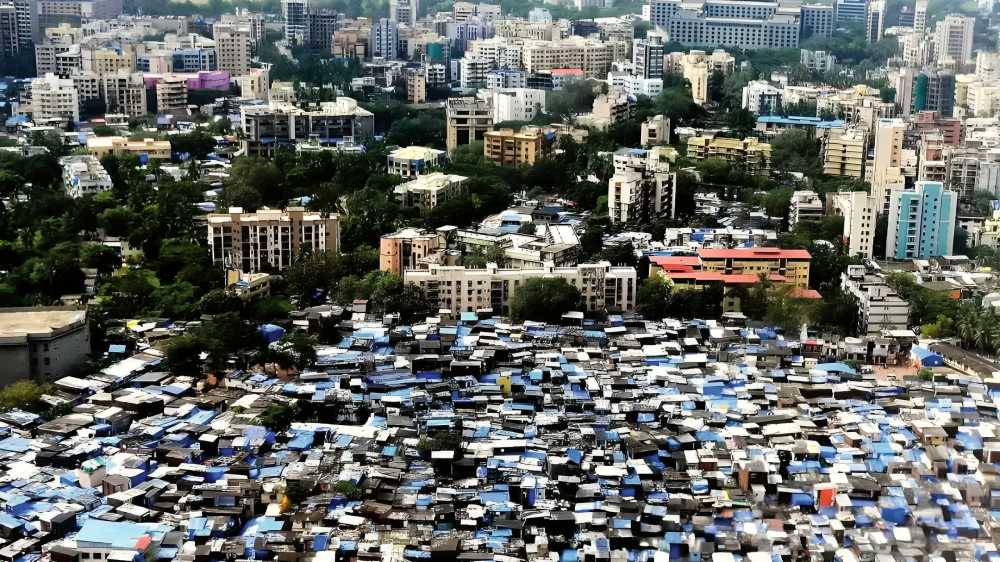
Slum rehabilitation is another significant component of Mumbai’s redevelopment pipeline. The report identifies 1,202 active projects covering 321,858 hutments across 2,156 acres. The scale of this pipeline is nearly four times the acreage redeveloped during the first three decades of the Slum Rehabilitation Authority.
Why Redevelopment Matters to Homebuyers
For buyers, redevelopment can provide access to modern homes in established neighbourhoods that already have schools, healthcare facilities, transport networks, retail outlets and other amenities.
Developers also benefit as redevelopment allows new housing to be created without acquiring large tracts of vacant land. Improved infrastructure and new buildings can further increase the value of established neighbourhoods.
The shift is therefore changing the geography of Mumbai’s housing growth. Instead of relying entirely on new land on the city’s outskirts, developers are increasingly looking within existing urban settlements for opportunities to create new residential supply.
The September 2026 data marks an important milestone for Mumbai’s property market. As redevelopment sales overtake new-project sales, the city is effectively beginning to address its land shortage by rebuilding and renewing the urban fabric it already possesses.
Mumbai’s next major housing cycle may therefore be driven less by finding new land and more by transforming old buildings, ageing neighbourhoods and underutilised urban spaces into modern residential communities.
Source: Common Wealth Union