
Mumbai’s redevelopment market is expected to become an increasingly important source of new housing over the next five to seven years, according to Karan Singh Sodi, Senior Managing Director, Mumbai MMR & Gujarat and Alternatives at JLL India.
The shift is being driven largely by the limited availability of undeveloped land in established parts of the city, particularly in South and North Mumbai. JLL data shows that redevelopment accounted for 13.5% of new housing launches in Mumbai after more than 1,000 projects were launched since 2020.
Its contribution to sales has also increased significantly. Between 2016 and 2021, redevelopment homes represented around 5.6% of Mumbai’s residential sales. That proportion rose to 14.7% between January 2025 and June 2026.
Sodi said, “In the next 5 to 7 years, you will see more and more share of redevelopment projects being announced in the overall housing.”
JLL also estimates that more than 13,500 cessed buildings and over 1,600 self-redevelopment societies have already approached developers, indicating a substantial pipeline of future projects.
Sodi said rising property prices were not necessarily a direct consequence of redevelopment. Instead, he pointed to infrastructure improvements and better connectivity as factors that can increase land values across different types of projects.
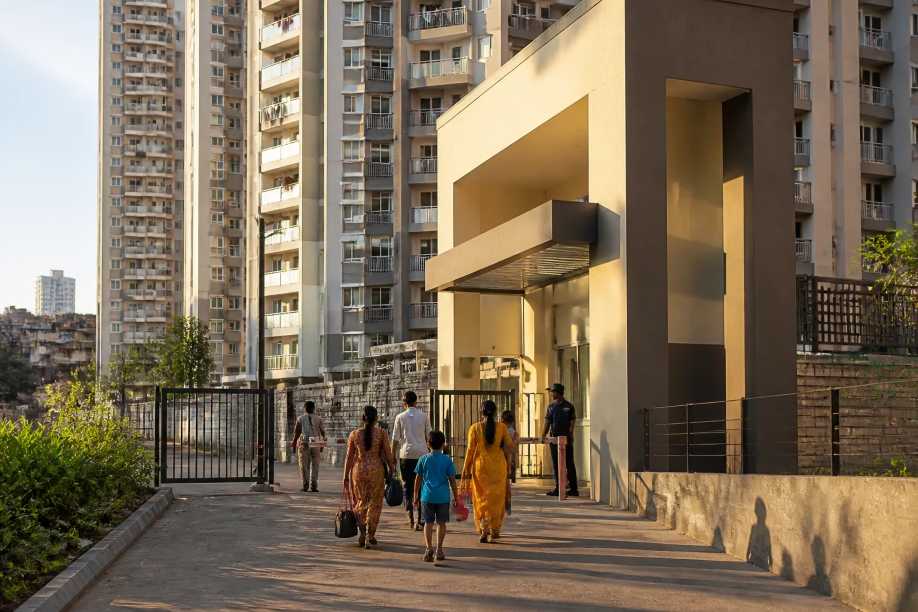
He said redevelopment is currently divided broadly between premium, value-oriented projects in locations such as Bandra, Khar, Juhu and Vile Parle, and larger-volume developments in Mumbai’s eastern and western suburbs.
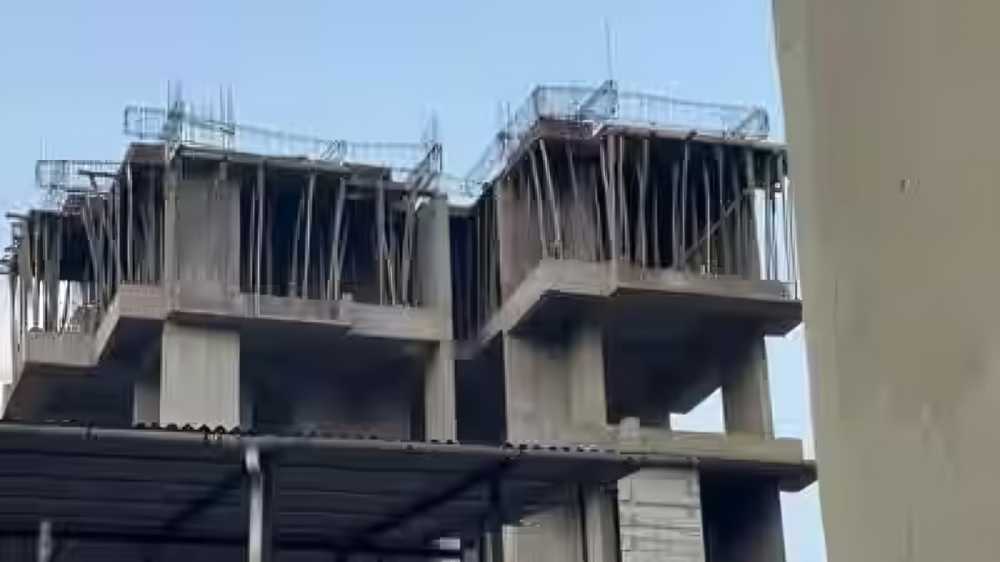
However, redevelopment involves longer and more complex execution cycles. Developers have to manage tenant rehabilitation, rent payments, approvals, financing and other project-related requirements.
Sodi also expects Slum Rehabilitation Authority (SRA) projects to become a larger component of the market, supported by policy changes and growing participation from institutional developers.
Cluster redevelopment is another emerging model, although buyers need to consider the trade-off between additional amenities and FSI and potentially longer completion timelines.
Sodi said, “I wouldn’t say overheated,” while rejecting the view that rising redevelopment activity indicates a property-market bubble.
He identified execution delays, regulatory approvals, financing, title-related issues and tenant relocation as key risks, noting that these challenges can be more significant than those associated with conventional greenfield developments.
As Mumbai continues to face land constraints alongside sustained housing demand, redevelopment is increasingly becoming central to the city’s residential expansion.
Source: CNBC TV18