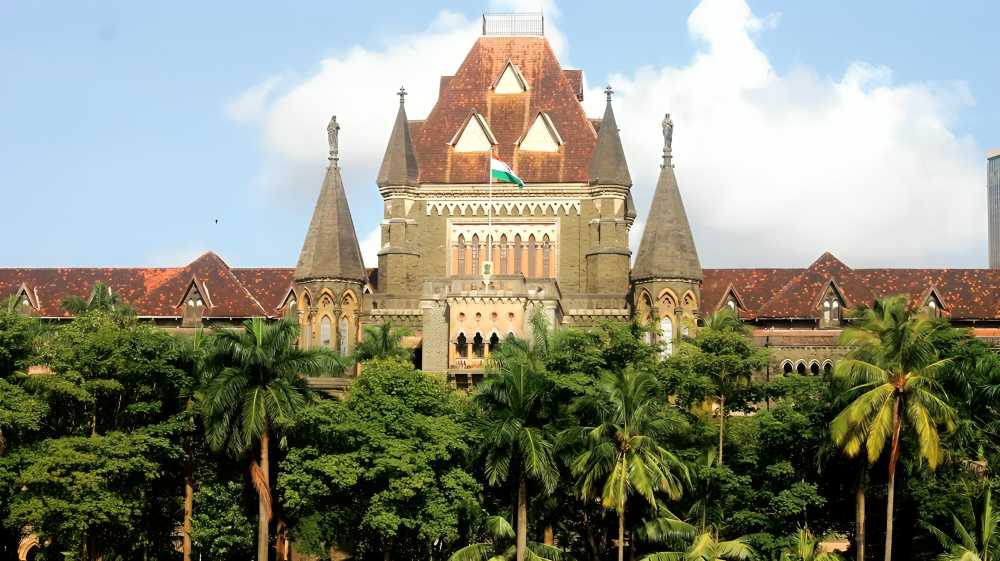

The Bombay High Court has ruled that residents of buildings developed under an integrated redevelopment project cannot create a separate cooperative housing society by bypassing the statutory procedure prescribed for dividing an existing society.
Justice Sandeep Marne delivered the ruling while hearing a petition filed by Swa-Griha Co-operative Housing Society Limited, challenging the registration of Atharva Co-operative Housing Society Limited in Prabhadevi. The court cancelled Atharva CHS’s registration, stating that a new society cannot be registered under Section 9 of the Maharashtra Cooperative Societies Act as an indirect means of splitting an existing housing society.
According to the court, residents seeking separation must instead follow the procedures provided under Sections 17 and 18 of the Act.
Dispute Over Separate Society
Swa-Griha CHS was originally established in 1968 on MHADA land. The property was later redeveloped along with neighbouring plots by Sugi Developers Private Limited, resulting in a complex comprising A, B, C and D sections with 240 flats.
The original society members and MHADA beneficiaries occupied the C and D sections, while purchasers in A and B sought a separate entity, citing differences and management-related issues.
However, the court noted that the different sections continued to share several common facilities, including a 10-level podium parking area, access roads, water tanks, electricity connections and recreational spaces.
The court held that allowing a separate registration under Section 9 could undermine the specific legal mechanism created for division of an existing cooperative society. It also observed that such an approach could create overlapping authority and disputes over common property and facilities.
Sale Agreements Also Considered
The court also examined the agreements signed by flat purchasers. It noted that buyers of the A and B sections had agreed to become members of Swa-Griha CHS under their sale agreements.
The court therefore observed that the purchasers had acquired the flats with knowledge of the existing cooperative structure and could not seek a separate society merely because differences had emerged between groups of residents.
The Deputy Registrar had approved Atharva CHS’s registration in February 2025, a decision later upheld by the Joint Registrar and the State Cooperation Minister.
The ruling clarifies that residents seeking to separate from an existing cooperative housing society in an integrated redevelopment project must use the legally prescribed division process, rather than establish a new society through a separate registration route.
Source: Loksatta